
Summary
Starting an activewear brand can be a rewarding business, but it requires careful planning. Key steps include defining your brand identity, choosing the right manufacturing model (OEM or private label), selecting fabrics and designs, understanding MOQ and costs, and preparing for sales in your target markets. By following a clear roadmap, startups in the US, Europe, Australia, Southeast Asia, and the Middle East can launch efficiently and minimize risks.
1. Define Your Brand Identity
Before designing products, you must define who your brand is and what it stands for:
- Target audience (e.g., fitness enthusiasts, yogis, gym-goers)
- Brand values (sustainability, performance, affordability)
- Visual identity (logo, color palette, style)
Clear branding helps you stand out in competitive markets like the US and Europe, and makes marketing in emerging regions (Southeast Asia, Middle East) more effective.
2. Decide on Manufacturing Model: OEM vs Private Label

OEM (Original Equipment Manufacturer)
- Full control over design, fabric, and production
- Typically higher MOQ and lead times
- Ideal for established brands with clear product vision
Private Label
- Lower MOQ
- Pre-made designs customized with your logo
- Faster to market, suitable for startups testing demand
Tip: For new brands targeting multiple regions, private label allows flexibility, while OEM provides long-term brand differentiation.
3. Product Selection and Design

Choose your initial product line carefully:
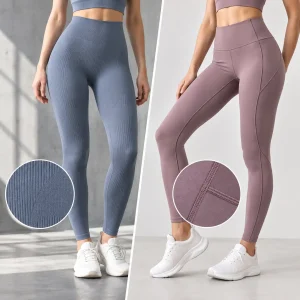
- Start with core activewear items: leggings, sports bras, tank tops
- Limit color variations initially to reduce MOQ and cost
- Consider trends in target regions:
- US & Europe: premium fabrics, sustainable materials
- Australia: casual yet high-performance styles
- Southeast Asia: lightweight, breathable materials
- Middle East: modest activewear options
4. Understand MOQ and Costs
MOQ (Minimum Order Quantity) is a key factor when working with manufacturers:
- Determines how many units you need per design
- Impacts unit cost: higher MOQ → lower cost per piece
- Can be reduced by using stock fabrics, simpler designs, or private label options
Pro tip: Read our full guide on MOQ for Custom Activewear for practical strategies.
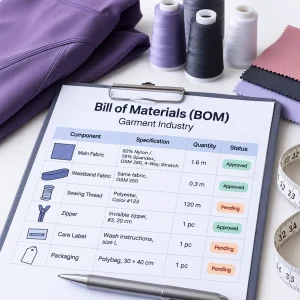
5. Source Materials and Manufacturers

Steps to ensure high-quality production:
- Research reputable manufacturers supporting OEM and private label
- Ask for samples before bulk production
- Confirm lead times and production capacity
- Verify certifications (BSCI, ISO) to ensure compliance
Target suppliers who understand your regional markets for smoother logistics and faster turnaround.
6. Plan Your Launch Strategy
- Start small: test 1–3 core products in a limited market
- Consider e-commerce platforms: Shopify, WooCommerce, or regional marketplaces
- Create marketing content reflecting brand story and values
- Leverage social media to reach target markets (Instagram, TikTok, Facebook, LinkedIn)
7. Common Challenges and How to Overcome Them
Challenge: High MOQ
Solution: Start with private label or stock fabrics
Challenge: Shipping and logistics
Solution: Partner with manufacturers experienced in international shipping
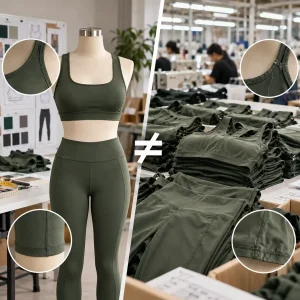
Challenge: Design mistakes
Solution: Order prototypes and review samples before mass production
8. FAQ for Starting an Activewear Brand
Q1: Do I need a large budget to start?
A: Not necessarily. Starting with private label and a few products can reduce upfront costs.
Q2: Should I choose OEM or private label?
A: Private label is recommended for startups testing the market; OEM is ideal for long-term brand control.
Q3: How many products should I launch with?
A: 1–3 core products is usually enough for a first collection.
Q4: How can I sell internationally?
A: E-commerce platforms and marketplaces like Shopify or Amazon make international sales easier, especially for US, Europe, Australia, Southeast Asia, and Middle East customers.
Final Thoughts
Starting an activewear brand involves planning, design, and choosing the right manufacturing strategy. By defining your brand, selecting the right products, understanding MOQ and costs, and planning for your target markets, you can launch confidently and scale efficiently.
For practical production tips and cost strategies, check our detailed MOQ Guide to ensure your first order is smart and manageable.