
In today’s vibrant sports world, sportswear is not only essential for participating in various physical activities, but it also plays a crucial role in enhancing the sporting experience and showcasing personal style. The fabric of sportswear is a key factor that determines its performance, comfort, and suitability. This article delves into common sportswear fabrics and their applicable sportswear types, helping you make wiser choices when selecting your athletic gear.

1. Polyester
(1) Fabric Characteristics
Excellent Abrasion Resistance
Polyester has high strength and abrasion resistance, capable of withstanding frequent friction and stretching during activities without easily wearing out or deforming. This makes it a preferred choice for many sports enthusiasts, as sportswear retains its good appearance and performance even after prolonged use.
Good Wrinkle Resistance
Polyester fabric exhibits outstanding wrinkle resistance, quickly returning to a smooth state even after multiple folds and compressions, eliminating the need for frequent ironing, which greatly enhances convenience in your athletic life.
Quick-Drying Properties
With low water absorption, polyester allows moisture to evaporate rapidly from the fabric surface, enabling quick drying. This is especially important for those who sweat a lot during exercise, as it helps keep the body dry and reduces discomfort from damp clothing, thereby lowering the risk of colds and other ailments.
High Color Stability
During the dyeing process, polyester effectively absorbs and fixes dyes, resulting in bright and long-lasting colors that are resistant to fading. Whether subjected to multiple washes or prolonged sun exposure, the original colors remain vibrant, keeping your sports gear looking new.
(2) Applicable Sportswear Types
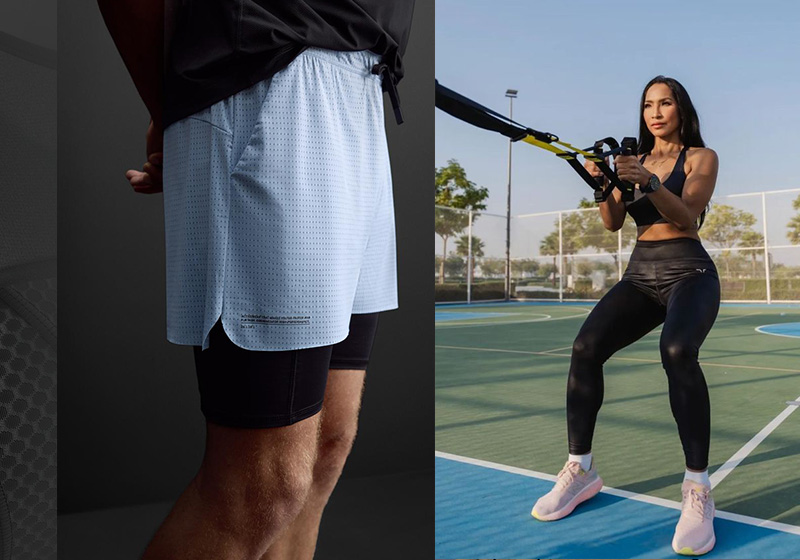
Running Apparel
Suitable for the heavy sweating and frequent friction experienced while running, featuring quick-drying, abrasion-resistant, and wrinkle-resistant properties, available in various colors.
Fitness Wear
Often blended with elastic fibers to increase stretch and fit the body, meeting the high-intensity and sweating demands of fitness activities.
Outdoor Sportswear
Designed to withstand outdoor abrasion, block UV rays, and dry quickly after sweating, making it ideal for hiking and similar activities.
2. Spandex
(1) Fabric Characteristics
Outstanding Elasticity
Spandex is a highly elastic fiber, capable of stretching several times its length and quickly returning to its original shape without sagging or deforming. This exceptional elasticity allows sportswear to fit closely to the body and stretch freely with movements, providing great comfort and flexibility for athletes.

Good Resilience
Compared to other elastic fibers, spandex has superior resilience. Even after prolonged use and repeated stretching, it retains its original elastic properties without succumbing to elastic fatigue. This ensures that sportswear maintains a good fit and support, offering continuous comfort to the wearer.
Soft and Comfortable
Spandex fibers are soft and delicate, feeling very comfortable against the skin without causing friction or discomfort. This is especially important for those who need to wear sportswear for extended periods, as it helps reduce the risk of skin irritation and chafing.
(2) Applicable Sportswear Types
Yoga Apparel
Its high elasticity and softness allow for unrestricted movement, enhancing the enjoyment of yoga practice.
Dancewear
Meets the needs of large movements in dance, showcasing graceful lines while maintaining durability.
Swimwear
Elastic and form-fitting in the water, reducing resistance, and featuring chlorine resistance to extend the lifespan of swimwear.
3. Cotton
(1) Fabric Characteristics
Good Moisture Absorption
Cotton fabric has natural moisture-absorbing properties, capable of absorbing large amounts of moisture to keep the skin dry and comfortable. During exercise, cotton sportswear quickly absorbs sweat, reducing the time sweat stays on the skin and lowering discomfort and the likelihood of skin issues.
Soft and Breathable
Cotton fibers are soft and delicate, making cotton sportswear comfortable against the skin. Additionally, cotton fabric offers good breathability, allowing air to circulate freely and keeping the body cool during exercise.
Natural and Eco-Friendly
Cotton is a natural fiber sourced from nature, making it environmentally friendly and safe for health. In today’s eco-conscious era, more consumers prefer cotton sportswear to pursue a more natural and healthy lifestyle.
(2) Applicable Sportswear Types
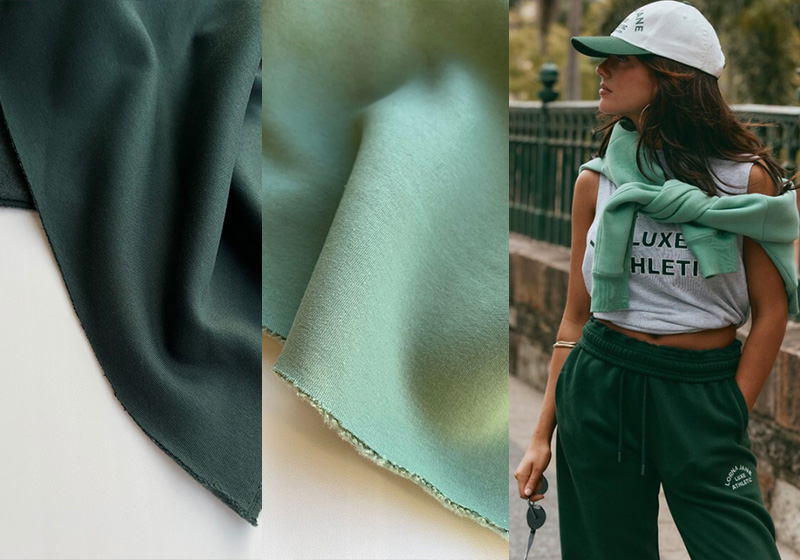
Casual Sportswear
Suitable for leisure activities like walking, focusing on comfort and a natural feel, with moisture-absorbing and breathable qualities that reflect a simple style.
Athletic Underwear
Effectively absorbs moisture to keep the chest area dry, reducing friction while allowing breathability.
Children’s Sportswear
Gentle on children’s delicate skin, comfortable and breathable, minimizing the risk of illnesses caused by excessive sweating.
4. Nylon
(1) Fabric Characteristics
High Strength
Nylon is a strong synthetic fiber with good abrasion and tear resistance. It can withstand significant external forces without easily breaking or damaging, making nylon sportswear excel in high-intensity activities, providing reliable protection during intense movements.
Lightweight
Compared to other fabrics, nylon is relatively lightweight, making sportswear made from it feel more agile and less burdensome. This is a significant advantage for speed and agility-focused sports, such as tennis and badminton, where quick movements are essential.
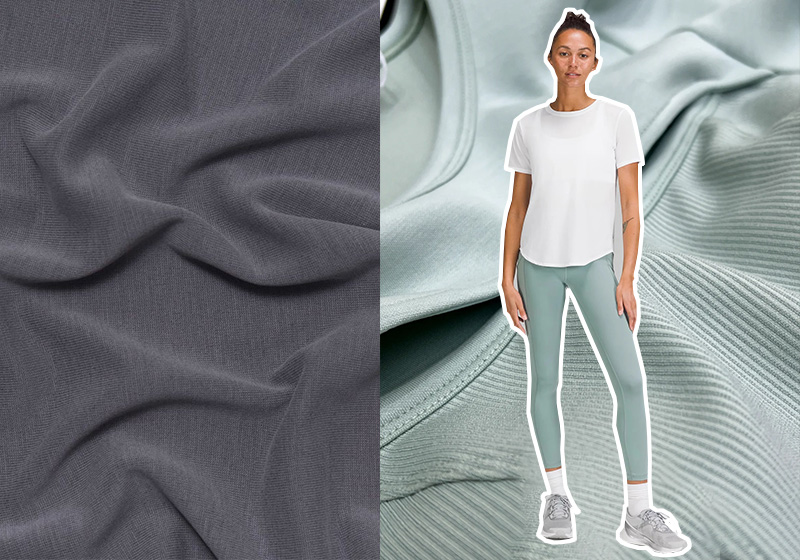
Water-Resistant (Some nylon fabrics have been specially treated)
Certain specially treated nylon fabrics have water-resistant properties, blocking rain and sweat from penetrating and keeping the body dry. This is especially important in outdoor sports, where nylon water-resistant gear can provide effective protection against adverse weather, reducing the risk of chills and hypothermia.
(2) Applicable Sportswear Types
Tennis Apparel
High strength and abrasion-resistant, lightweight and flexible, suitable for the quick movements of tennis, with moisture-wicking and breathable features.
Badminton Apparel
Meets the high-intensity demands of badminton, being durable and elastic while offering moisture-wicking and breathability.
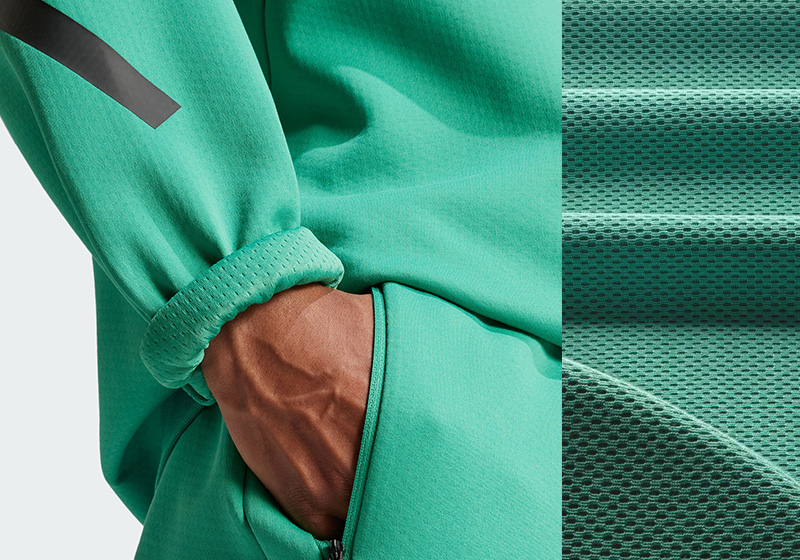
Outdoor Jackets
Water and wind-resistant, durable and scratch-resistant, lightweight and easy to pack, making them ideal for outdoor activities.
5. Innovations and Developments in Functional Fabrics
(1) Smart Fabrics
Smart fabrics integrate technology and textile engineering, offering powerful functionalities. They can sense changes in the external environment and respond accordingly, providing intelligent services to athletes. For example, some fabrics have temperature-regulating features that adjust warmth based on body and external temperatures, keeping athletes comfortable in various climates. Others incorporate sensors to monitor heart rate, breathing rate, and step count, wirelessly transmitting data to devices like smartphones, enabling real-time tracking of health and fitness levels, enhancing the athletic experience with a technological touch.

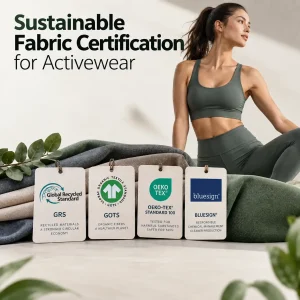
(2) Eco-Friendly Sustainable Fabrics
In light of global environmental trends, eco-friendly and sustainable fabrics represent an important direction for the sportswear industry. Many brands utilize renewable, biodegradable, or recycled materials to reduce environmental impact. For instance, recycling plastic bottles into polyester fabric achieves performance similar to traditional materials while promoting resource recycling and minimizing waste emissions. Some brands have developed biodegradable bio-based fabrics that decompose in natural environments, preventing soil and water pollution, demonstrating corporate social responsibility, and catering to consumer demand for sustainability while promoting the planet’s health.
(3) Antimicrobial and Odor-Resistant Fabrics
Exercising causes sweat that can foster bacteria and unpleasant odors. Antimicrobial and odor-resistant fabrics use additives or special processes to effectively inhibit bacterial growth, reducing odor formation. Some fabrics maintain lasting antimicrobial effects, even after multiple washes, ensuring a fresh and healthy wearing experience for athletes, making workouts more comfortable and enjoyable.

In conclusion, choosing the right sportswear fabric impacts the experience and health of your athletic endeavors. Different fabrics offer varying properties and suit different contexts, allowing for tailored choices based on activities and personal preferences. With ongoing technological advancements, functional fabric innovations will continue to provide better options, ensuring we can enjoy sports comfortably and confidently. What fabric characteristics do you prioritize when selecting sportswear?