
The Rise of Athleisure: Blending Style and Performance
In the last decade, athleisure has transformed from a niche trend into a dominant fashion category, merging comfort with style and functionality. Once reserved for gym-goers and athletes, athleisure has become a staple in everyday wardrobes, blending fashion-forward design with the performance features of activewear. This cultural shift is reshaping the sportswear industry and pushing manufacturers to innovate in materials, construction, and style.
Whether you’re wearing yoga pants for errands, a hoodie to the office, or track pants for a night out, athleisure’s adaptability has redefined modern apparel. Today, brands are incorporating moisture-wicking, stretchable, and breathable fabrics into trendy cuts and silhouettes that suit all aspects of a busy lifestyle. Athleisure isn’t just about looking good; it’s about feeling empowered, comfortable, and ready to take on the day—whether that’s at the gym or at a brunch.
Key Elements of Modern Athleisure: What Sets it Apart?
The success of athleisure stems from its perfect combination of form and function. Here’s what sets modern sportswear apart:
1. High-Performance Fabrics
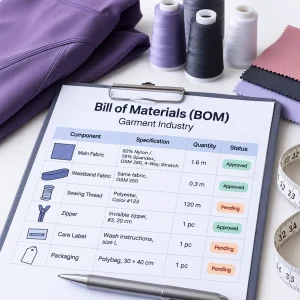
Modern athleisure relies on materials that can withstand physical activity without sacrificing comfort. Fabrics like polyester, nylon, spandex, and new blends like bamboo or sustainable cotton enhance durability, elasticity, and moisture control. Many brands are also moving toward sustainable materials, reflecting the eco-conscious demands of consumers. The best athleisure pieces maintain their shape and color, even after multiple washes, ensuring that customers get long-lasting value.

2. Seamless Style Integration
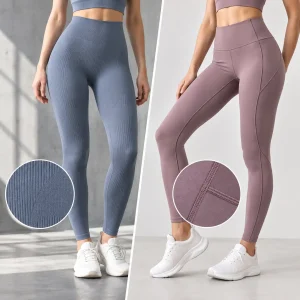
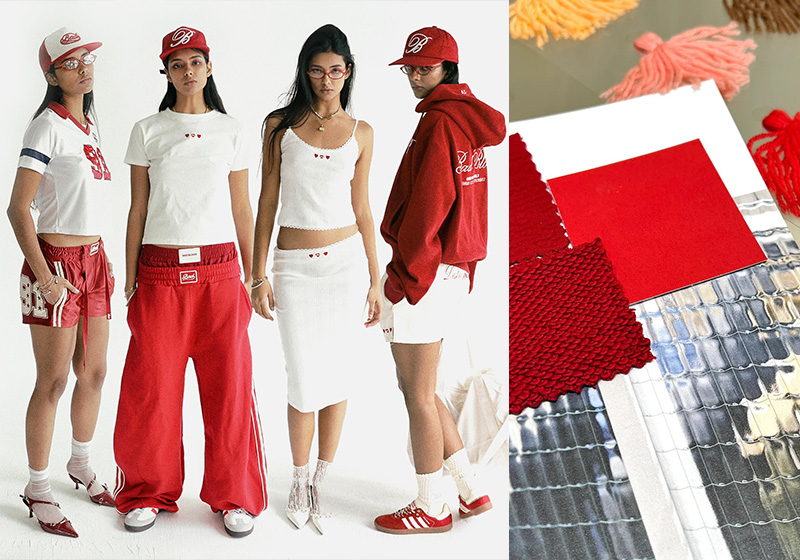
Athleisure isn’t confined to just the gym. Joggers, leggings, and sports bras have evolved with contemporary cuts and designs that look right at home in an office or a café. Brands are experimenting with sophisticated color palettes, minimalistic branding, and functional embellishments like zippers and pockets, making these items versatile and suitable for day-to-day wear.

3. Technology-Enhanced Comfort
Athleisure brands are adopting technology that was once exclusive to professional sportswear. Features such as temperature control, odor-resistance, and UV protection enhance the comfort and functionality of athleisure. Compression garments, for instance, provide muscle support while reducing fatigue, making them ideal for both athletes and those simply looking for added comfort in their outfits.

4. The Personalization Trend
The modern consumer wants clothing that speaks to their unique tastes and lifestyle. Customizable athleisure, from personalized fit options to custom colors and designs, allows consumers to create pieces that feel uniquely their own. Many sportswear brands now offer monogramming, tailored fit selections, or even limited-edition collaborations with artists and influencers to make their collections feel exclusive and personal.
Athleisure and Lifestyle: How It’s Changing Our Daily Habits
The athleisure trend goes beyond clothing; it represents a lifestyle focused on wellness, balance, and authenticity. This shift toward a more casual, comfort-driven style reflects a broader societal movement where physical and mental well-being take center stage. As work-life boundaries blur and remote work becomes more common, people are choosing athleisure as a symbol of freedom and flexibility in both their wardrobes and their routines.

From a brand perspective, the future of athleisure is set to be even more exciting, with companies exploring eco-friendly options, integrating wearable tech, and creating pieces that adapt to diverse lifestyles. Athleisure has proven that function and style don’t have to be mutually exclusive; they can work together to meet the evolving needs of today’s active, fashion-conscious consumers.
Whether for high-impact sports or low-key leisure, athleisure is more than a trend—it’s a movement that’s here to stay.