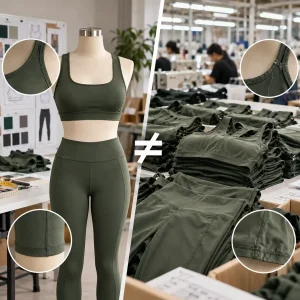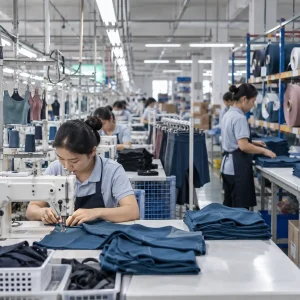
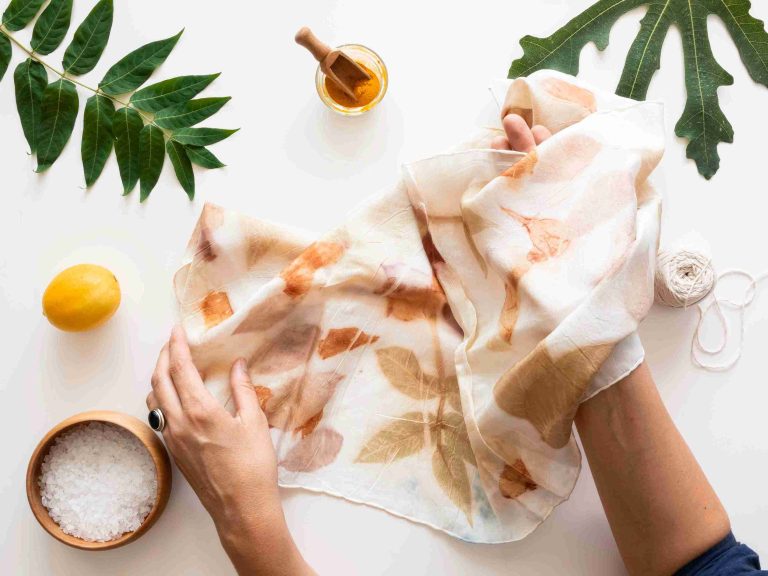
When you think about clothes,your mind likely goes to eye-catching looks, bold silhouettes, fierce lines and that one item that makes you feel invincible. If you stop and think about it, though—what are your clothes truly made of? Like, what kind of fabrics?Here’s the kicker: what you wear can support the planet or might speed up its breakdown. No pressure, though.
Good news? Brands like Luck Panther are flipping the script with next-gen fabrics that don’t just look good—they do good. So yes, being stylish and eco-conscious isn’t just a dream—it’s a real vibe. And your wardrobe may be just a part of something way more meaningful than the latest trend.
What are the Eco-Friendly Fabrics?
Let’s make it clear. Sustainable fabric means materials made with care—for the planet and the people on it. We’re talking about textiles that:
- Use up less of Earth’s resources (think water and land)
- Skip the nasty chemicals and toxic pesticides
- Are made from stuff that’s renewable or already recycled
- Break down naturally or can be recycled when you’re done with them
- Support fair pay and safe working places for makers
Pretty solid, right? And nope, you don’t have to sacrifice style for sustainability—today’s eco-friendly fabrics are comfy, breathable, durable, and seriously good-looking.
So if you’re all about looking sharp while doing good, these fabrics might just be your wardrobe’s perfect match.
What Are the Common Eco-Friendly Fabrics Available on the Market?
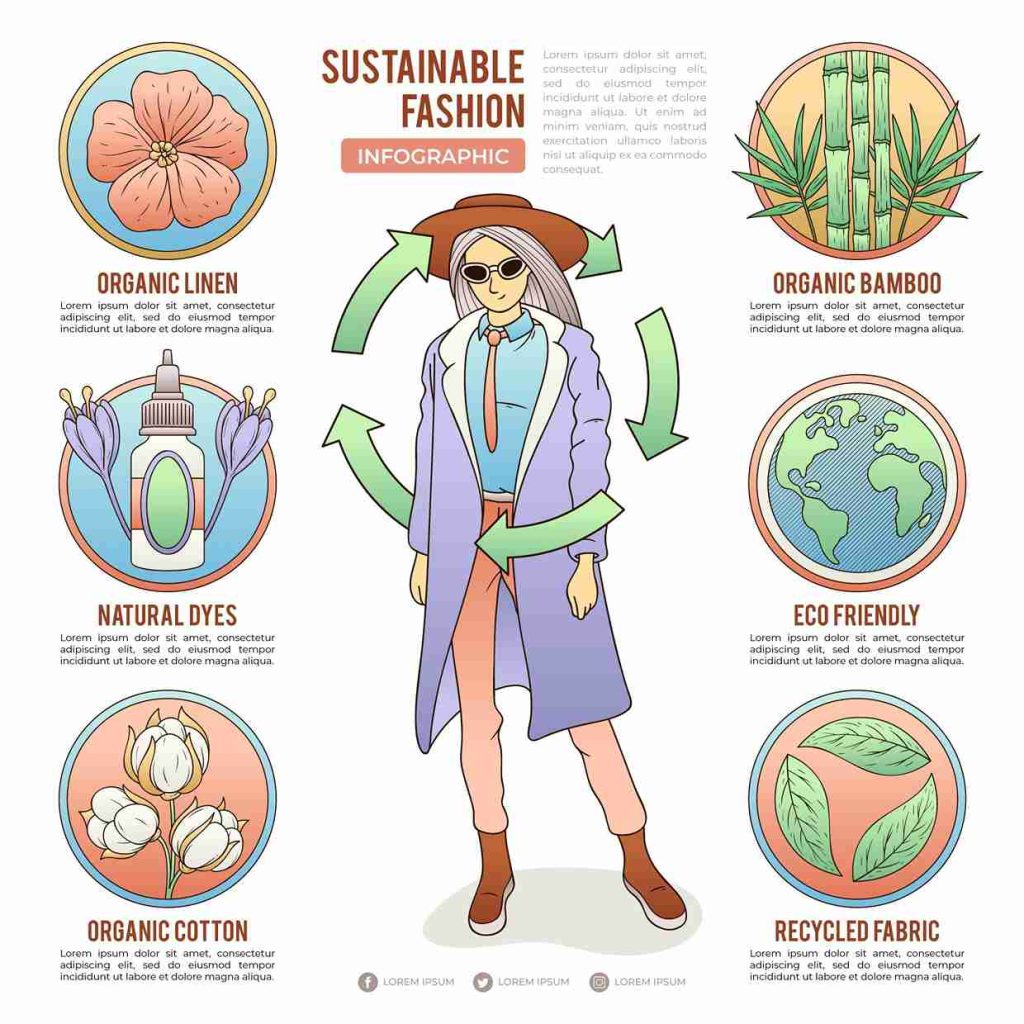
There’s a whole new wave of fabrics shaking up the way we see fashion. If you’re aiming to dress with more intention, getting to know these six planet-friendly raw materials:
1. Organic–Cotton
Imagine it as a cooler and more conscious cousin of cotton. Organic cotton is a victory for the earth, farmers and your skin without the use of toxic pesticides or synthetic fertilizers when grown. It’s soft, breathable, and gentle—even for the most sensitive types—while using way less water.
Wearing organic cotton means backing a cleaner, kinder supply chain and ditching the chemical nasties. Small swap, big difference.
2. Recycled Polyester
The fabric’s basically a masked superhero in here. Made from post-consumer plastic—yep, like old water bottles—it turns waste into wearable wins. That sleek pair of leggings? Once headed for a landfill. Now? Straight-up treasure.
You still get the performance and toughness of regular polyester, just without the heavy carbon footprint or the guilt trip.
3. Tencel (Lyocell)
If sustainability had a soft, luxurious feel, it’d be Tencel. Spun from sourced wood pulp—often eucalyptus—it’s crafted in a closed-loop process that reuses nearly all water and solvents.
Breathable, skin-friendly, and fully biodegradable, Tencel is proof that comfort and nature aren’t just compatible—they’re a perfect match.
4. Hemp
Hemp’s basically the OG of the sustainable fabrics. It grows like a champ, needs barely any water, and skips the pesticides altogether. Bonus? It naturally fends off pests and weeds—perfect for organic farming.
The fabric’s tough yet breathable, and it just gets softer with time. It’s that sweet spot between rugged and refined. Into clean lines and useful style? Hemp’s definitely your ride-or-die.
5. Bamboo Fiber
No pandas were harmed in the making of this fabric. Bamboo shoots up fast, doesn’t need replanting, and sucks up more carbon dioxide than most plants out there. The payoff? A dreamy-soft, breathable fabric that fights bacteria and wicks away moisture.
It’s basically like wrapping yourself in eco-conscious clouds.
6. Recycled Wool
Instead of sending old wool sweaters to the landfill, recycled wool gives them a fresh start. It cuts down on resource use, saves energy, and keeps extra waste in check.
Warm, tough, and packed with personality—recycled wool proves that sustainability can come with a little soul.
Why Are More and More Sportswear Brands Choosing Eco-Friendly Fabrics?
Because people like you are asking for better. Sustainability isn’t some fringe idea anymore—it’s a baseline expectation. Generation Z, Millennials, even forward-thinking Boomers are all putting their money behind ethical fashion.
And nowhere is this shift more obvious than in sportswear. Think about it: when you’re moving, stretching, adventuring—whatever your vibe—you want gear that performs.Today’s eco-friendly fabrics aren’t just keeping up with traditional ones, they’re crushing it in moisture control, odor resistance, durability, and breathability.
Brands know that to stay relevant, they need to reflect your values. Choosing sustainable fabrics isn’t just a win for the planet—it’s a smart business move. And when you buy these porducts, you help magnify this message.
What Technologies Are There in the Sustainable Fabrics of Luck Panther?
Luck Panther isn’t just riding the sustainability wave—they’re the ones driving it. Their fabric strategy blends cutting-edge tech with eco-smarts, right down to the last tag.
Here’s how they’re transforming raw materials into planet-positive power plays:
1.A wide variety of dyeing techniques
Traditional dyeing is very water-consuming and polluting. The lucky leopard has a variety of different dyeing processes, which greatly reduces water usage and eliminates toxic runoff. Bright colors can be obtained without excessive consumption of the Earth’s resources.
2.Biodegradable & Circular Fibers
Some of their garments are made from fibers that naturally break down after their useful life—so when you’re done with that hoodie, it won’t live forever in a landfill. In some collections, materials can even be recycled back into new garments. That’s fashion in a full circle.
3.Anti-Odor and Antibacterial Finishes
With built-in, long-lasting antibacterial powers, your gear stays fresher for way longer—meaning fewer laundry cycles and more wear between washes. That cuts down on water, energy use, and helps your clothes last even longer.
4.Seamless and Zero-Waste Design
Luck Panther leverages 3D knitting and precision patterning to eliminate fabric scraps. What does that mean for you? A perfectly fit, high-performance piece of clothing that wastes absolutely nothing.
This isn’t just clothing—it’s a statement of intention. And when you wear Luck Panther, you wear the future.
Can outfits made from eco-friendly fabrics change the planet?
A T-shirt cannot reverse climate change. But your choice – along with that of millions of people – can drive systemic change. Every time you choose recycled polyester over virgin polyester, or tencel over rayon, you are: saving water, reducing carbon emissions, supporting ethical labor, and lowering the demand for harmful raw materials say no to fast fashion waste.
Your wardrobe has become a tool of activism – quiet, everyday, and undeniably powerful. This proves that you care about what kind of future you are creating.
What about this kind of mentality? It is contagious.
Conclusion
Sustainability isn’t about being perfect. It’s about being intentional.
You don’t have to give up fashion to protect the Earth. In fact, the most exciting innovations in clothing right now are happening in sustainable fashion—and you get to wear them first.
Luck Panther is making it easier than ever to align your personal style with your values. So the next time you refresh your wardrobe, ask yourself not just how it looks—but how it was made.
Because when you wear eco-friendly fabrics, you’re not just dressing for today.
You’re dressing for tomorrow.
Choose consciously. Choose confidently. Choose Luck Panther!