In recent years, the sportswear industry has seen a growing focus on sustainability, driven by both consumer demand and increasing awareness of environmental issues. However, despite the positive steps towards greener practices, sportswear manufacturers still face numerous challenges in minimizing their environmental impact. This article explores some of the key obstacles faced by the industry and highlights potential solutions.
1. Raw Material Sourcing and Use

a. Dependence on Petroleum-Based Materials
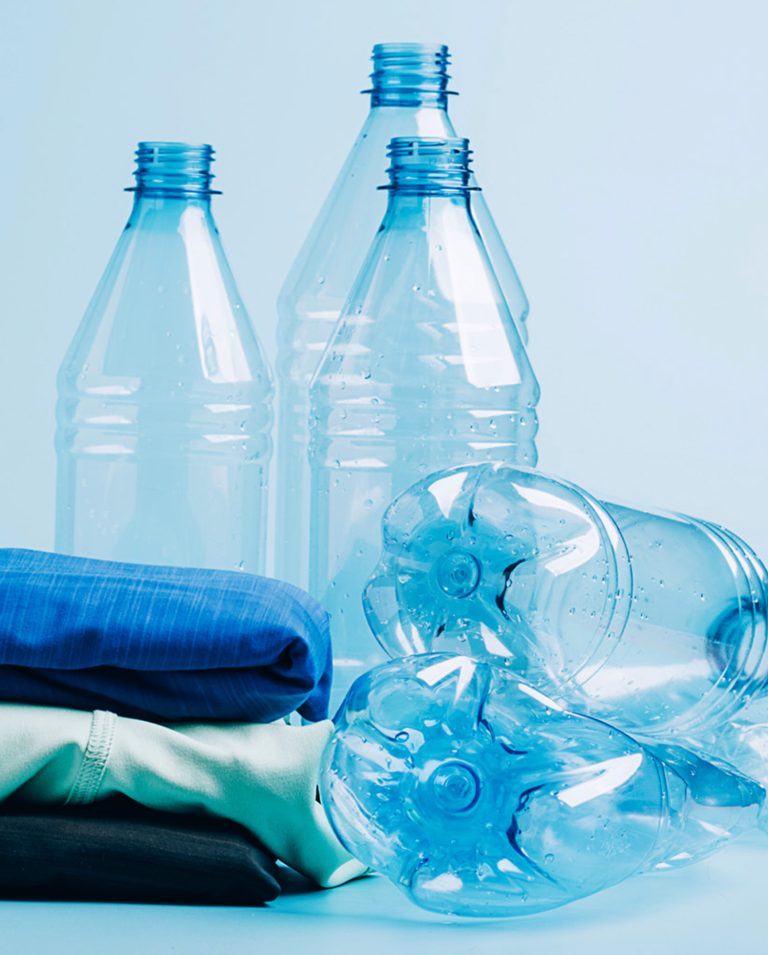
One of the main challenges in sportswear manufacturing is the reliance on petroleum-based synthetic fibers, such as polyester, nylon, and elastane. These materials are not only resource-intensive to produce but also have a significant environmental footprint. Polyester, for example, is derived from non-renewable resources and takes hundreds of years to break down in landfills.
To mitigate these issues, many manufacturers are exploring alternatives such as recycled polyester, organic cotton, or plant-based fabrics. However, these options are often more expensive or still in the early stages of development.
b. Organic and Sustainable Material Availability
While sustainable materials like organic cotton, bamboo, and hemp are becoming more widely available, they still make up a small percentage of total materials used in sportswear production. The challenge lies in scaling up the use of these sustainable alternatives without compromising performance qualities such as durability, stretch, or moisture-wicking properties. Balancing both functionality and sustainability remains a difficult task for manufacturers.
2. Manufacturing Processes and Energy Use
a. High Energy Consumption
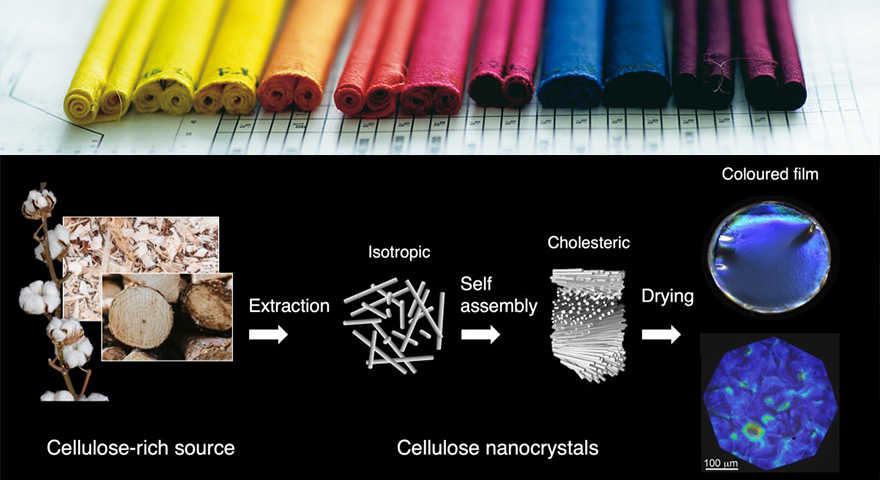
The manufacturing process for sportswear, especially the production of synthetic fabrics, can be highly energy-intensive. The dyeing and finishing processes, in particular, consume large amounts of water and energy, which contributes to the industry’s carbon footprint. According to the Ellen MacArthur Foundation, the textile industry accounts for 10% of global carbon emissions.
Brands are increasingly adopting energy-efficient technologies and renewable energy sources, but transitioning entire supply chains to greener practices remains a costly and time-consuming effort.
b. Water Pollution and Waste
The dyeing process in sportswear manufacturing is a major contributor to water pollution, with harmful chemicals often being discharged into local water sources. Additionally, microplastics shed from synthetic fibers during washing can pollute waterways, contributing to the larger issue of ocean plastic.
To address this, many companies are investing in closed-loop systems, water recycling technologies, and biodegradable dyes. However, these solutions are still not universally implemented across the industry, and small-scale manufacturers may struggle with the high costs involved.
3. Product Lifecycle and End-of-Life Disposal
a. Longevity vs. Disposability
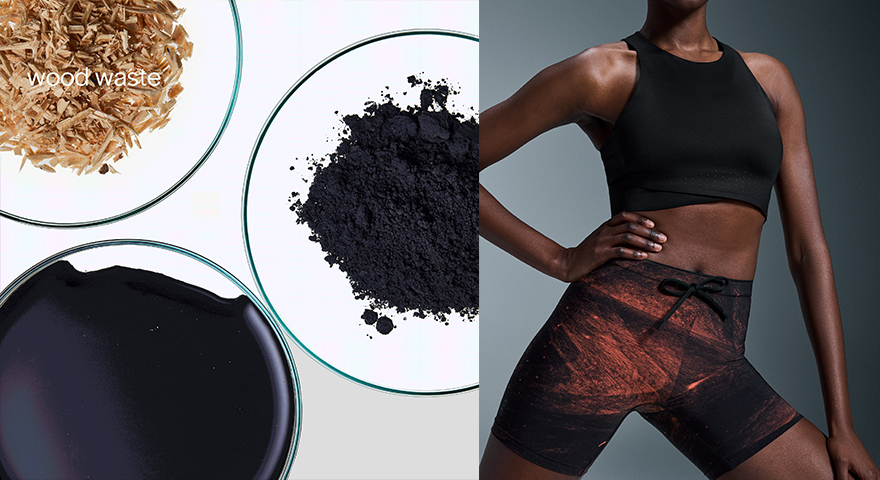
Sportswear is often designed for performance, which means it must withstand frequent use and washing. However, this focus on durability can conflict with sustainability goals. Some high-performance fabrics, especially synthetics, may not be easily recyclable or biodegradable, leading to a large volume of waste at the end of a product’s life cycle.
Consumers increasingly want products that last longer, but they also demand clothing that is easy to recycle or dispose of responsibly. Manufacturers are exploring options such as garment repair programs, take-back schemes, and biodegradable fabrics, yet widespread adoption of these practices is still slow.
b. Recycling and Circular Economy
The concept of a circular economy, where materials are reused and products are regenerated rather than disposed of, has gained traction in recent years. However, recycling sportswear presents unique challenges. Different materials, such as blends of natural and synthetic fibers, can be difficult to separate, making recycling a complex and expensive process.
Though some companies have pioneered take-back programs and closed-loop systems, they are not yet widespread across the industry. Overcoming the technical and logistical hurdles of circularity is one of the industry’s most pressing challenges.
4. Consumer Education and Demand
a. Limited Consumer Awareness
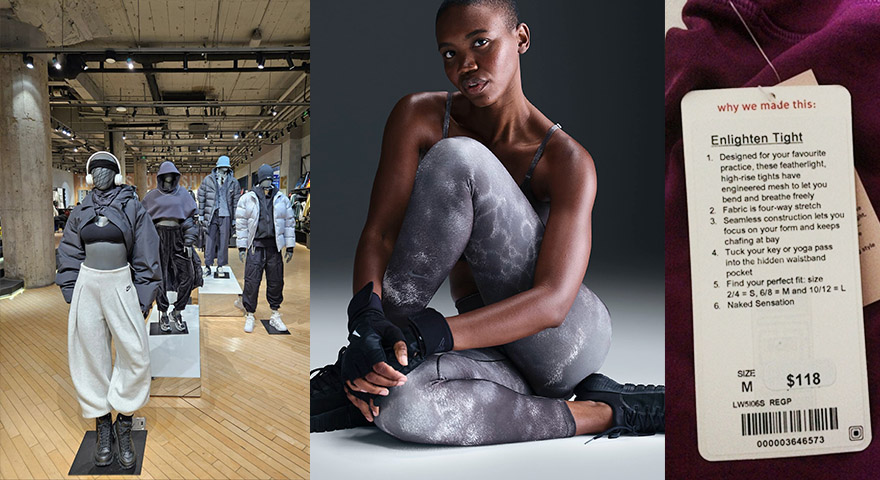
While the demand for sustainable products is growing, many consumers are still not fully aware of the environmental impact of their purchasing choices. The sportswear industry faces the challenge of educating consumers about the benefits of sustainable fabrics, manufacturing processes, and product care.
b. Price Sensitivity
Sustainable sportswear often comes at a premium price, which can deter budget-conscious consumers. Even though sustainability is becoming a priority for many, there is still a widespread perception that eco-friendly options are more expensive. Manufacturers need to find ways to make sustainable sportswear more affordable and accessible without sacrificing quality.
Conclusion
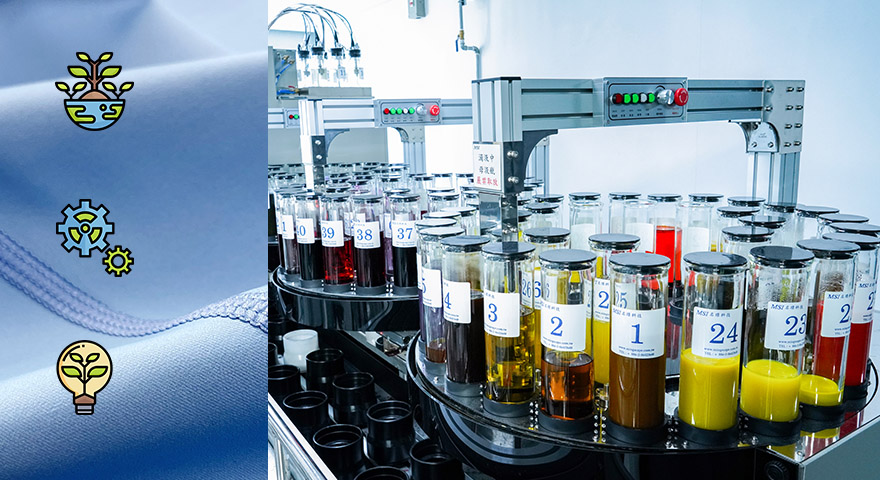
Sportswear manufacturers face many challenges in their pursuit of sustainability, from the selection of raw materials, to energy consumption in the production process, to market demand and supply chain management, each of which requires careful planning and continuous improvement. Luckpanther, as a sportswear manufacturer committed to green production, knows that the road to environmental friendliness is not an easy one, but we have always been committed to it. But we have always been on this path. In the future, we will continue to invest, innovate and optimise our production processes to drive the industry in a more sustainable and environmentally friendly direction, and to ensure that we provide consumers with high-quality sportswear with a low environmental impact.