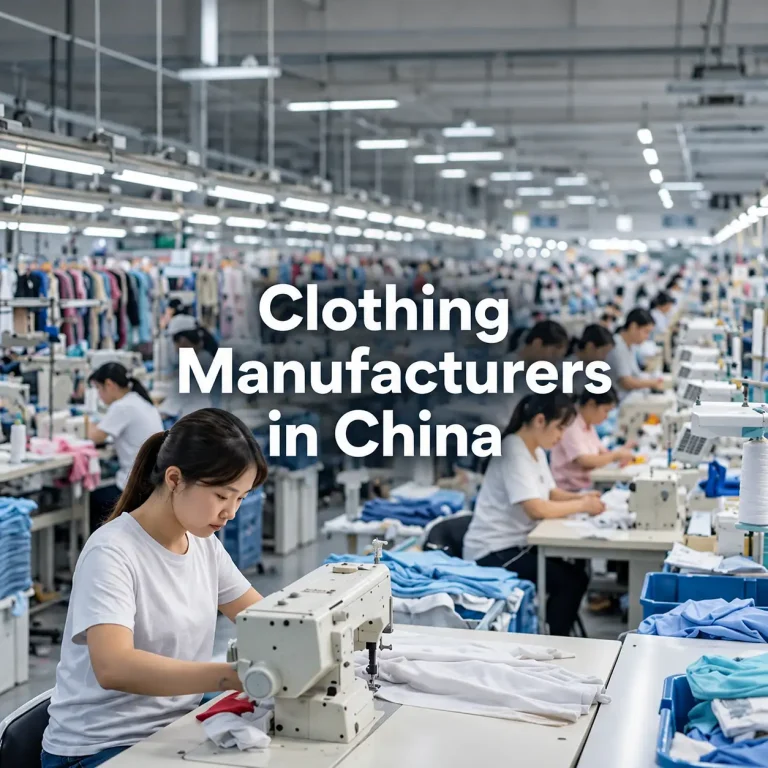
List of 10 Clothing Manufacturers in China
Manufacturer | Main Specialty | Best Fit For | Key Point to Confirm |
Dayang Group | Tailored suits and formalwear | Suit brands and made-to-measure programs | Tailoring construction and fit approval |
HEMPELZHI | Woven fashion apparel | Brands developing woven collections | Fabric sourcing and production arrangements |
Suzhou Yuanrun Apparel | Women’s woven apparel and outerwear | Multi-style collections and larger sourcing programs | Production site assigned to your order |
CYNCHO Garments | Women’s fashion and small collections | Emerging womenswear labels | Sampling revisions and order minimums |
LuckPanther | Sportswear brands needing OEM/ODM customization | Fabric performance and bulk consistency | |
Dongguan DaLi Clothing | Partywear and decorated apparel | Eveningwear and occasionwear brands | Decoration durability and finishing |
MISEN Denim | Jeans and denim apparel | Denim brands focused on fit | Pattern development and size grading |
HUAYANG Knitwear | Sweaters and cardigans | Knitwear labels comparing yarn options | Yarn, gauge, and pilling performance |
LGF Apparel | Wool coats and premium winterwear | Designer labels building winter collections | MOQ and coordination across production sites |
Dongguan MCHU Garment | Graphic apparel and custom decoration | Streetwear startups and teamwear brands | Artwork approval and print durability |
Suggested Reading:
- 8 Best Sportswear Manufacturers in China for Reliable Sourcing
- Top 10 China Leggings Manufacturers: A B2B Sourcing Guide
- 12 Best Yoga Wear Supplier China for International Clothing Brands
1. Dayang Group
If your product is a suit, blazer, or tailored coat, Dayang would be high on my shortlist.
Their strength is tailoring, not basic apparel. Made-to-measure orders are tricky. Each customer has different measurements, so patterns and fit need careful control. Dayang has worked with Indochino and InStitchu, two made-to-measure retailers. That gives me more confidence in their production system than a long list of factory claims.
Dayang also makes shirts and casualwear. But I would look elsewhere first for a basic T-shirt or hoodie order. Tailoring is where their experience stands out.
2. HEMPELZHI
HEMPELZHI presents itself as a one-stop partner for woven menswear and womenswear, covering fabric sourcing, design support, and shipping. That could save a small brand from managing several suppliers.
A simple process map would help. Who cuts and sews the garments? Is any work subcontracted? And who checks the fabric before production?
Their sustainable fabric options also caught my attention, including organic cotton, TENCEL™ fibers, and recycled polyester. Ask for documents linked to the actual materials in my order, not just certificates shown on a website. Textile Exchange’s Content Claim Standard explains how certified materials are tracked through the supply chain.
My view: HEMPELZHI is a sensible option for brands sourcing woven fashion pieces with sustainable material requirements. For knitwear or performance activewear, I would check specialist factories first.
3. Suzhou Yuanrun Apparel
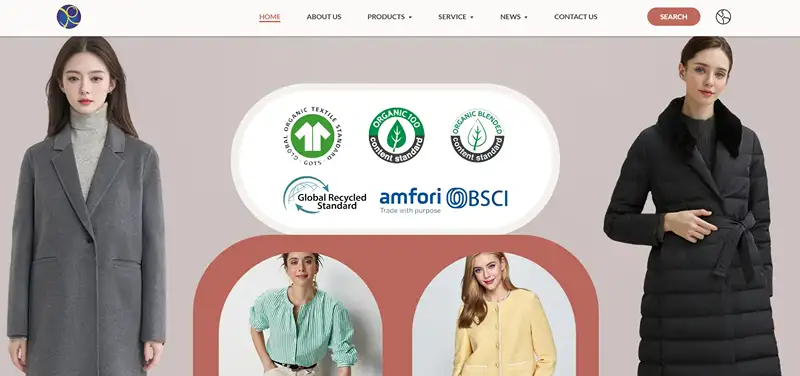
My first question for Yuanrun is simple: which factory will actually sew my order?
Yuanrun lists production sites in Suzhou, Anhui, Vietnam, and Myanmar. That may give them more room to handle different orders. But the same dress can turn out differently across factories if they don’t use the same patterns and quality checks.
Get the production site confirmed in writing before paying a deposit. If production is assigned to Vietnam or Myanmar, who handles final inspection? Can they provide a current factory audit summary or other site-specific compliance evidence?
Their product range covers dresses, blouses, wool coats, and down jackets. That’s a wide mix of sewing skills. Start with one style rather than assume every factory handles all four equally well. For down jackets, ask for fill power results and checks for down leakage.
One more thing: a short sewing timeline doesn’t include fabric sourcing. Ask when the full production clock starts, not just how many days sewing takes.
4. CYNCHO Garments
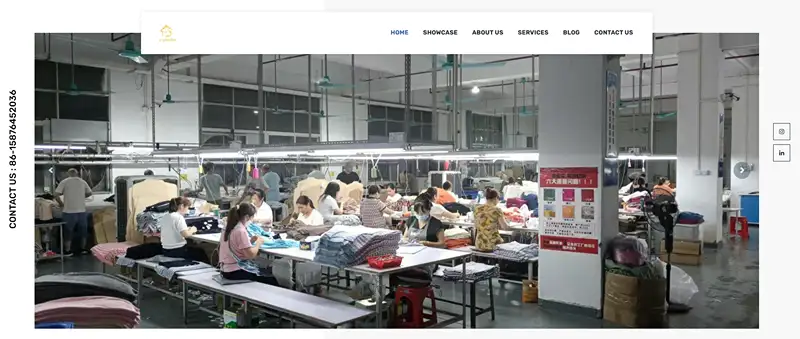
CYNCHO looks like a good match for a small brand launching its first womenswear collection. A smaller team may mean faster replies and closer contact during sample revisions. I would check who handles those changes before placing an order.
Their focus is soft, flowing womenswear: silk dresses, blouses, organic cotton tops, and knit cardigans. For silk pieces, check the cutting, seam puckering, and pressing. Poor handling can ruin the drape.
Send a clear tech pack and reference sample. If sweaters come from a separate knit factory, confirm its timeline. Start with a manageable order and compare bulk garments against the approved sample before scaling up.
My take: CYNCHO is better suited to small womenswear collections than performance activewear, heavy outerwear, or high-volume basics.
5. LuckPanther
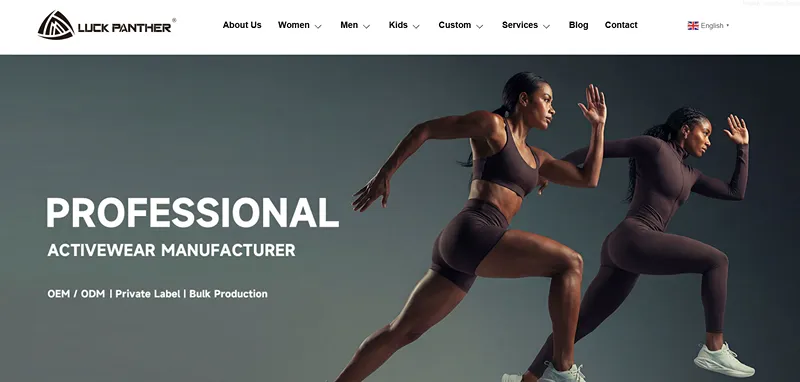
Editor’s Note: LuckPanther is the publisher of this article and is included in the list as an activewear manufacturer.
Here is a mistake we see with new activewear brands. A leggings sample feels soft, so it gets approved without checking opacity under stretch. The problem only shows up when the leggings are worn or bulk fabric arrives.
At LuckPanther, we check GSM, stretch recovery, opacity, and color before sampling. A soft nylon-spandex blend can still turn sheer when stretched. GSM matters, but so do knit density and fit. We also check bulk fabric against the approved sample before cutting.
Our main products are leggings, sports bras, yoga sets, swimwear, and tennis wear. We also make golf apparel from customer tech packs, but it is not our main line. For tailored suits or down jackets, a specialist factory makes more sense.
Want to check our work? Ask for production examples or arrange a factory visit. We welcome buyers who want to see how their garments will be made.
6. Dongguan DaLi Clothing
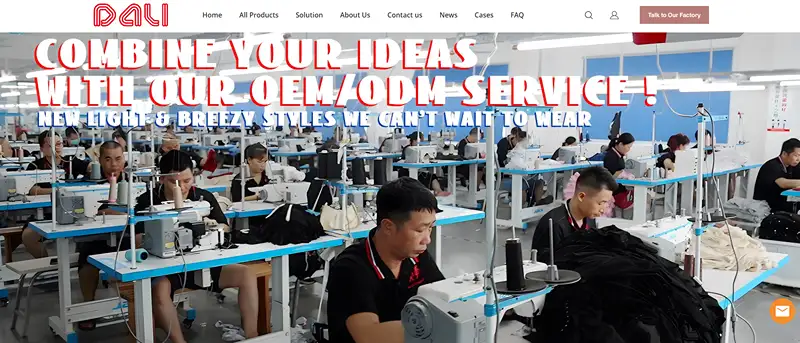
Sequin dresses look easy to make. They are not. That is why DaLi’s focus on partywear, hot-fix stones, and embroidery caught my eye.
Decorated garments fail in small ways. Sequins shed at the seams. Heavy decorations pull on the fabric. A scratchy backing irritates the skin. A dress can photograph well and still get returned.
Look at the finishing first. Ask for a sample that has been worn and cleaned, not just photographed. Check sequin direction at the seams, lining comfort, and how firmly stones are attached. The right durability check depends on whether decorations are sewn, embroidered, or heat-fixed.
For heavily decorated dresses, allow extra time for finishing and inspection. Ask how they pack each piece to prevent damage during shipping.
Consider DaLi for decorated partywear and occasionwear, rather than plain everyday basics.
7. MISEN Denim
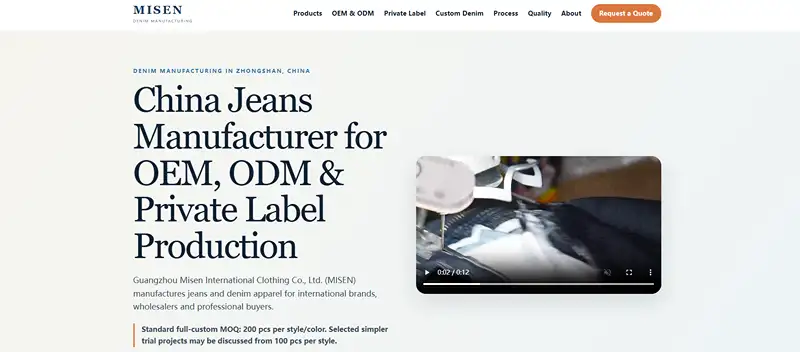
Choose MISEN if fit is what your jeans brand sells on. They have 7 pattern makers, so their pattern development is the first thing I would test.
Jeans fit is tricky. A small change in rise or hip shape changes how the whole pair sits. Stretch direction matters too. Two denim fabrics with similar stretch can still fit differently because of their recovery and construction.
Judge MISEN by how they handle fit comments. Send a reference pair and a clear tech pack. A good pattern team asks where you want the seat to sit, rather than just saying “okay.”
MISEN lists a 5–10 day sampling time after requirements are confirmed. Use the fitting rounds to check changes on a live model, not just a mannequin. Ask how much time each revision will add.
And don’t stop at size 28. A perfect fit there means little if size 34 pulls at the thigh. Request measurements for the smallest, middle, and largest sizes before approving the grade.
8. HUAYANG Knitwear
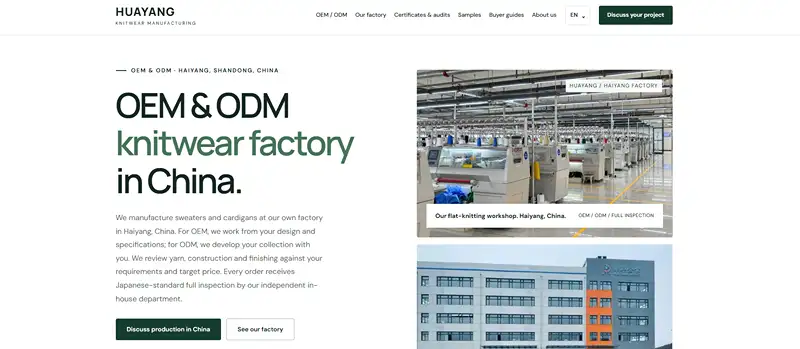
Choose HUAYANG if you sell sweaters and cardigans at a fair price and want to get the yarn choice right. Yarn and knit construction can make a big difference to your costs.
The factory works with gauges from 3 to 14. A chunky 3-gauge cardigan and a fine 14-gauge pullover are very different products. Don’t just ask for a quote. Request two or three swatches with different yarn and gauge options, priced separately.
I like this approach because it turns price talks into a hand-feel decision. You can see what you’re paying extra for.
Before approving a swatch, check its pilling test results, since a soft feel doesn’t guarantee good wear resistance.
HUAYANG says it inspects every garment and uses metal detection. That’s useful, but I would still ask what the inspection covers on my style, especially neckline shape, cuff tension, and finished measurements.
9. LGF Apparel
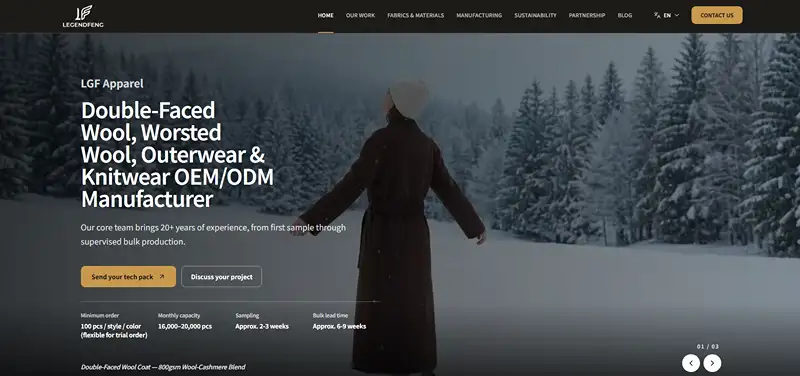
Double-faced wool coats are hard to make well. LGF built its work around them.
Their range covers double-faced wool, worsted suiting, fancy tweed, and fully fashioned knitwear. I like that a designer can build a full winter collection in one place, from the coat to the sweater underneath.
LGF lists a starting MOQ of 100 pieces per style and color, subject to the design and materials. That gives smaller brands room to test a wool coat before committing to a larger run.
Pattern making, sampling, and selected cut-and-sew production happen in Guangzhou. Knitted panels come from a partner facility in Dongguan, with LGF coordinating the work. Ask how they keep the coat and knitwear schedules aligned.
10. Dongguan MCHU Garment
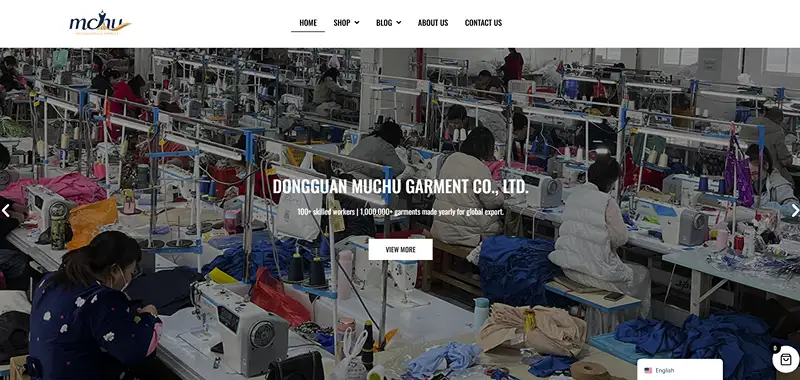
Many new brands arrive with a logo and a rough idea, not a tech pack. MCHU looks suited to that starting point.
Their team can turn an idea into a digital rendering before sampling. You review the design, confirm the fabric, and then move to a physical sample. I like this process because it catches design issues early.
MCHU offers puff print, silicone print, reflective print, and chenille patches. These options suit branded hoodies, tees, and teamwear. But check the finish on actual fabric, especially its texture, placement, and wash durability.
Their range also includes polos, rashguards, cycling apparel, and fishing shirts. Consider them for graphic-heavy streetwear and custom teamwear.