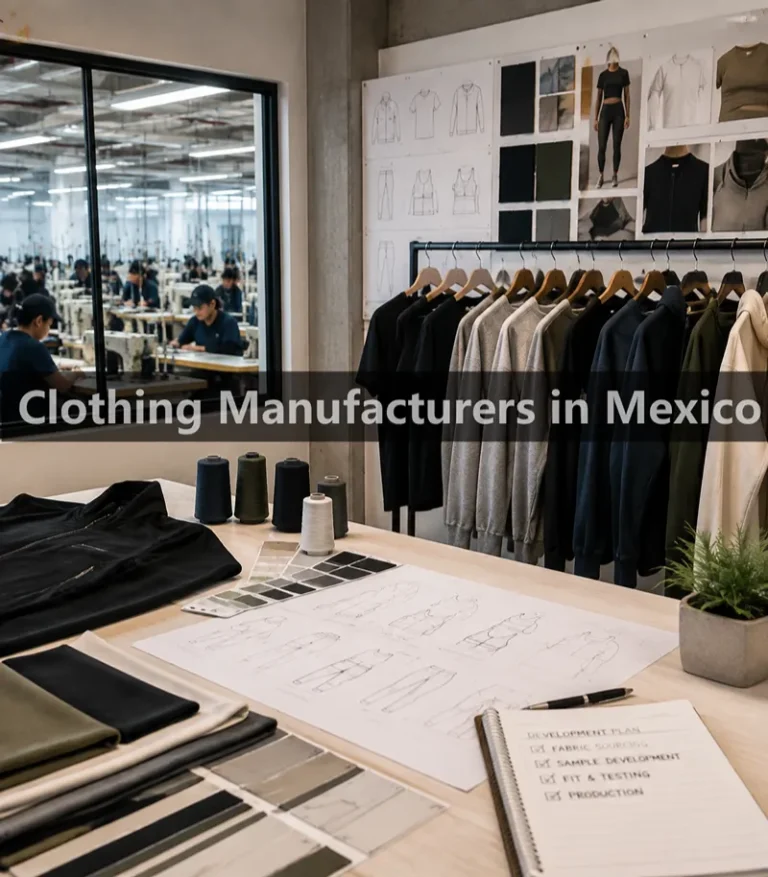
List of 10 Clothing Manufacturers in Mexico
Manufacturer | Product Focus | Production Model | Best For |
Vertical Knits | Knitwear, Sportswear | Large-Scale Knit Apparel Manufacturing | Established brands with repeat knitwear programs |
Grupo Denim | Jeans, Denim Apparel | Denim Manufacturing | Brands developing denim collections |
Zentrix Industrial Mexico | Stretch Apparel, Activewear | Performance Apparel Manufacturing | Brands sourcing stretch and performance garments |
CS Tech Contract Manufacturing | Contract Manufacturing | Contract Production — Verify Apparel Scope | Buyers seeking outsourced production services |
Ideas Josbris | Woven Apparel | Woven Garment Manufacturing | Brands sourcing woven clothing |
AML Textil | Textile Products | Manufacturing Scope Needs Verification | Buyers exploring textile sourcing and related services |
Monty Industries | Casualwear, Outerwear | Garment Manufacturing | Brands developing casualwear and jackets |
Spandmex | Swimwear, Printed Bikinis | Full-Package and Private Label | Swimwear brands needing printing and cup development |
Kaltex Apparel | Jeans, Denim Apparel | Denim Manufacturing | Established brands with denim production programs |
Grupo Siete Leguas | Jeans, Denim Apparel | Denim Manufacturing | Denim brands seeking specialized production |
1. Vertical Knits
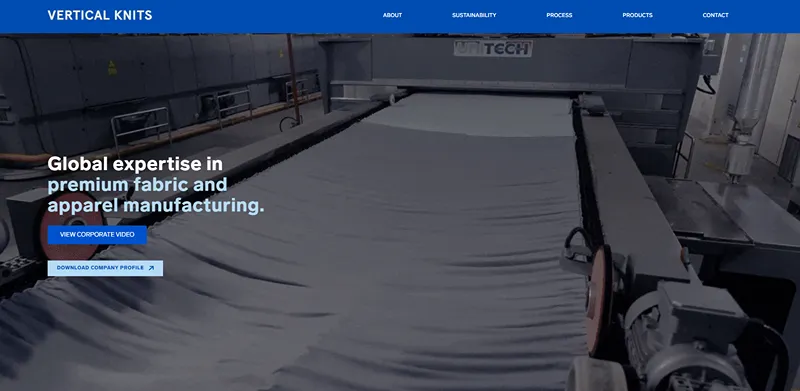
Here’s what we noticed first about Vertical Knits: they don’t just sew garments. They knit and dye their own fabric too, all under one roof in Baca and Tizimín, Yucatán.
They move straight into cutting, sewing, screen printing, and embroidery. Nothing gets outsourced in between. That matters for two reasons. First, fewer handoffs usually mean fewer delays. Second, it may help with USMCA eligibility. But duty-free treatment depends on the garment’s origin rules and material sources.
Their compliance list runs long. ISO 9001, ISO 14001, Cotton USA, Fair Trade Certified, and Bluesign approval. They also report into the ZDHC Roadmap to Zero program. This is an industry-wide effort to track and cut harmful chemicals in textile production.
💡One quick aside: If you’re comparing Vertical Knits with a China sportswear manufacturer, don’t focus on factory location alone. Ask for the yarn and fabric origin records. These will help you check whether the garments meet USMCA requirements.
2. Grupo Denim
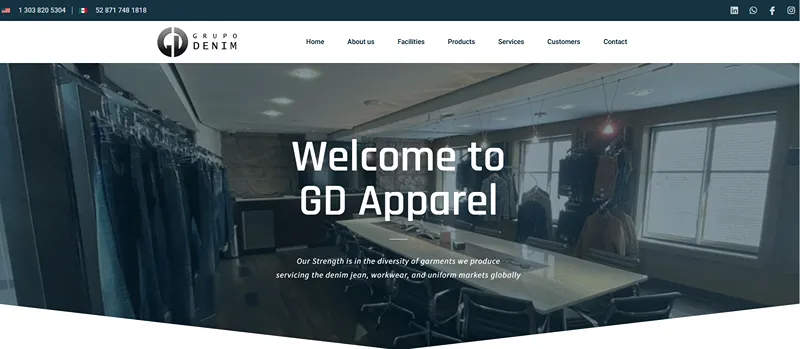
Denim is a tricky category. Wash quality can make or break a style. So we dug into what this factory actually offers.
Grupo Denim doesn’t publish exact minimums online. Based on typical volumes for full-package denim factories in Mexico, expect somewhere between 500 and 1,500 units per style, per color. Lead time usually runs 45 to 75 days for a full order, start to finish. We’d ask for a written quote before you plan around these numbers. Every factory sets its own floor.
Their wash finishing list is long. Enzyme wash, sand wash, stone wash, bleach wash, acid wash. That range covers most denim styles a brand would ask for. They also make workwear pieces like carpenter pants and twill trousers. Not just fashion jeans. If your line needs more than basic five-pocket denim, this factory can likely handle it.
📌Our take: Grupo Denim is a solid pick if denim or workwear is your core product. Especially if you want a factory with real wash expertise. Just don’t skip the paperwork. Get their certifications in writing before you commit to a large order.
3. Zentrix Industrial Mexico

Founded in 1963, Zentrix was the first textile company in Mexico to introduce spandex, according to a documented company history.
Their fabric line, Assatex, has run over 55 years, focused on high-performance knits. They handle knitting, dyeing, and finishing in-house. That matters if your product depends on stretch recovery, not just a clean seam.
Cup molding stands out. Bra cups and compression panels get their shape from a mold, not stitching alone. Zentrix also runs 400 flatlock machines for stretch seams and LECTRA cutting systems for accuracy at scale.
US import shipment records show over 100 shipments from Zentrix to Under Armour. Worth checking before you trust any factory’s client claims.
Looking at activewear trends 2027, stretch recovery and moisture control remain important. Zentrix is worth considering as a Mexican activewear manufacturer for its spandex and molding capabilities.
4. CS Tech Contract Manufacturing
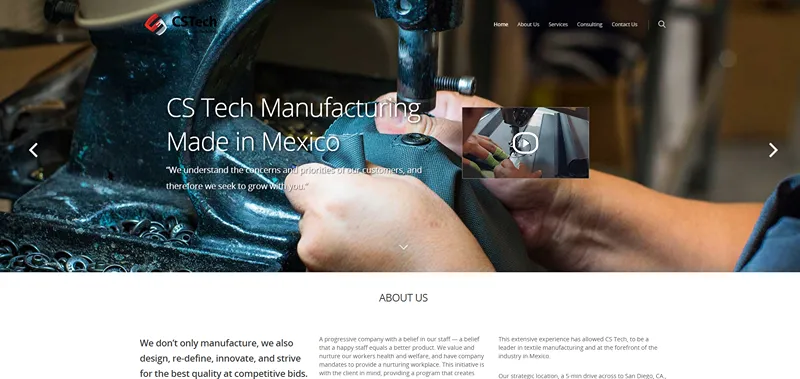
They run at roughly 800,000 pounds of material a week. That’s real production scale, not a small workshop. MOQ sits around 1,000 pieces per style, with delivery in about 45 days. Fabric availability can push that timeline, so build in a buffer if you’re working with a custom textile.
CS Tech has invested in machinery that handles a range of fabric types, textures, and densities in the same facility. That flexibility is worth noting if you’re a brand that works across categories, technical knits one season, wovens the next, instead of sticking to one fabric type.
They also produce athletic performance apparel, which puts them on the radar for brands comparing private label activewear manufacturers across the border instead of overseas.
⚠️Our verdict: The San Diego-to-Tijuana workflow is the real story here. It’s a tighter, more controlled process than most nearshore setups. Just confirm lead times against your specific fabric before you commit to a launch date.
5. Ideas Josbris
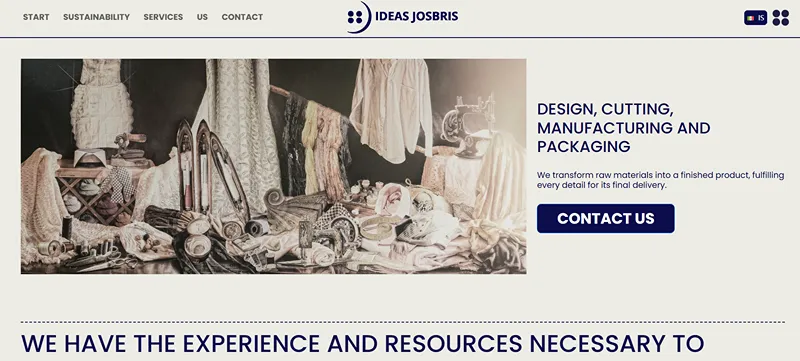
Ideas Josbris is a manufacturer that caught our attention mainly because of its long production history and clear product specialization.
According to available manufacturing data, Ideas Josbris has a reported production capacity of around 50,000 garments per month, with a typical MOQ of 1,000 pieces. An estimated 45-day lead time depending on fabric availability. The company also provides a full-package process covering design, cutting, and manufacturing.
If you are searching for wholesale activewear manufacturers, we would recommend something. Confirming whether the supplier has experience with stretch fabrics, performance materials, and activewear construction. The shirt manufacturing skills do not always translate directly to leggings or sportswear production.
6. AML Textil
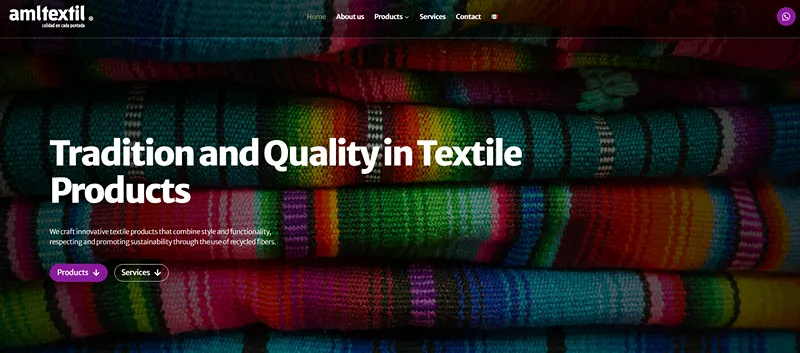
For new brands, this one might be worth a second look. It’s smaller than most factories on this list.
Most factories here start with new cotton or polyester. AML Textil starts with recovered fiber. They spin it using an open-end spinning system built for recycled thread. This process runs faster than traditional spinning. It also keeps costs down. That’s part of why their pricing stays competitive.
Their specialty leans artisanal. Think low-cut jackets from recovered fiber yarn. Sweatshirts made from sarape fabric. Blankets built for warmth and durability. This isn’t a factory chasing basic tees at scale. It’s a factory leaning into Mexican textile heritage as a design feature.
We looked for a third-party recycled content certification. We didn’t find one listed publicly for AML Textil. That doesn’t mean the recycled claim is false. It means you should ask for documentation first. Do this before you use “recycled” in your own marketing. The Global Recycled Standard from Textile Exchange is the benchmark most buyers ask for. Use that as your reference point.
7. Monty Industries
This factory doesn’t chase quick turns. They design new seasonal collections three times a year, more like a traditional apparel house than a fast-turn contract shop. Production runs about 120 days, which is long. If your brand needs a 30-day reorder, this isn’t your factory. If you’re planning collections season by season, the timeline makes more sense.
If you’re sourcing custom yoga wear or a tennis dress line, look elsewhere. Monty’s strength sits in women’s, girls’, and infants’ outerwear and casualwear, not stretch performance fabric or technical sportswear.
About 1,800 workers in Yucatán, MOQ starting near 1,000 units. That’s mid-size, built for brands with steady, repeatable order volume rather than a first small test run.
💡Our take: Monty Industries fits established brands planning seasonal collections with real lead time to spare. Skip it if you need fast turns or technical activewear.
8. Spandmex
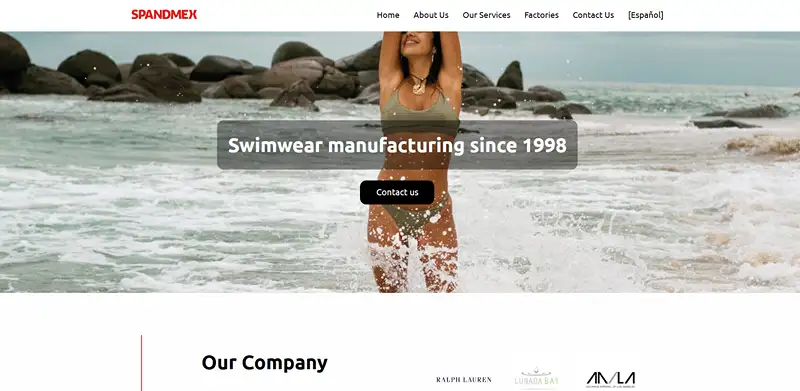
Spandmex operates swimwear sewing factories in Mexico. It also has facilities for sublimation printing and bra-cup production. This is useful for brands making printed bikinis or swimsuits with molded cups.
One point needs attention. Printing, cup production, and sewing may take place at different facilities. Buyers should ask how the factory controls print alignment and cup consistency during assembly.
Spandmex also offers ready-made designs and custom development. Its 2019–2020 catalog listed a 300-piece MOQ for ready designs. Custom orders required at least four styles and 600 pieces per style. These are historical terms. Buyers need to confirm the current requirements.
Our Assessment: Spandmex is worth shortlisting for custom swimwear, especially printed styles and molded-cup designs. We would request a sample using the final fabric, lining, and cups. This helps reveal fit problems before bulk production.
9. Kaltex Apparel
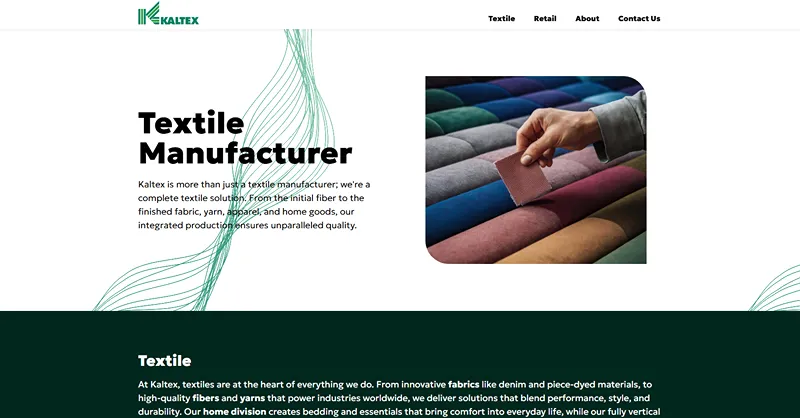
They use laser technology for the faded, distressed look on jeans. This replaces older methods like sandblasting or potassium permanganate spraying. Kaltex has worked with The LYCRA Company. Together they build stretch denim fabrics using LYCRA fiber technology. This matters if your jeans need real stretch recovery. Not just a rigid weave that loosens after a few wears.
Their plants run automatic cutting machines. These pair with automated sewing lines and laser-guided precision tools. This combination keeps pattern accuracy consistent across large runs. That matters more as your order size grows.
They make core denim basics and fashion-forward pieces. They also make piece-dyed fabrics for non-denim casualwear. Washes range from a simple rinse to complex, multi-step garment dyeing.
Sourcing yoga shorts or custom leggings? Skip this conversation with Kaltex. Their whole production line is built around rigid and stretch woven denim. Not knit performance fabric.
10. Grupo Siete Leguas
We reached out to gauge their responsiveness. It took under 48 hours to get a real answer. Not an auto-reply, an actual person. For a factory this size, that surprised us.
Siete Leguas runs facilities in Mexico, Nicaragua, Brazil, and Argentina. That spread is a strength for capacity. But it raises a real question. Does quality control look the same at every site? Or does it vary by country? We asked directly. Their answer: core processes and audits are standardized across facilities. Still, ask which specific plant will produce your goods. Don’t assume every location runs the same just because they share a name.
We asked about sourcing a premium fabric outside their standard denim line. Something closer to a heavier weight cotton blend. Their team came back with real options within a few days. Not a vague “we’ll check.” That’s a good sign if you have a specific fabric vision. Not just a standard five-pocket order.
Suggested Reading:
- Top 10 Best Workout Shorts Manufacturers in Germany
- 10 Italian Sportswear Manufacturer for Quality Activewear Production
How to Choose a Clothing Manufacturer in Mexico
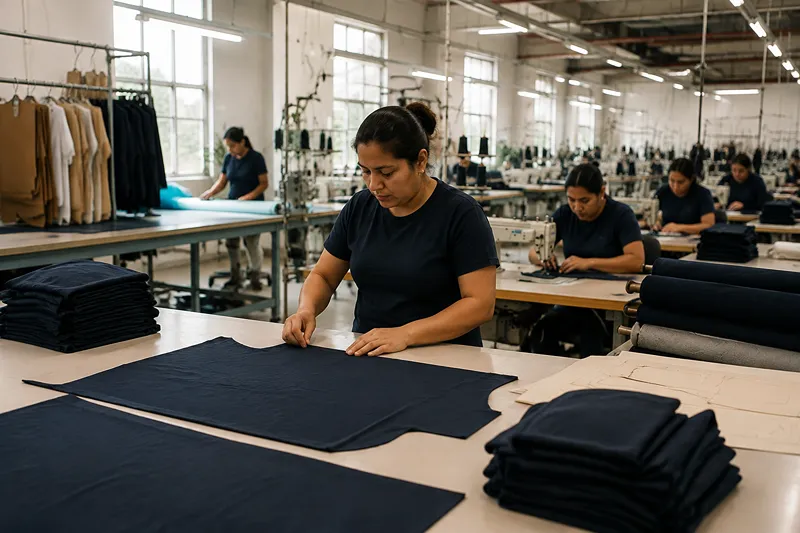
Cut-and-sew manufacturers in Mexico vary in the services they offer. Check what the factory can produce, which services it provides, and where the work takes place.
| Buyer Question | What to Verify |
|---|---|
| Does the factory make my product? | Request recent samples with similar fabrics, stitching, and construction. |
| Does it offer full-package manufacturing? | Confirm who handles fabric sourcing, patterns, sampling, cutting, sewing, and finishing. |
| Can it handle my order size? | Ask if MOQ applies per style, color, or fabric. Check minimums for repeat orders. |
| Where will my garments be made? | Get the sewing factory’s location. Confirm which processes are subcontracted. |
| Can my order qualify under USMCA? | Check the HS classification, yarn and fabric origins, and supporting documents. |
Does Clothing Made in Mexico Qualify for USMCA?
Not automatically. Many garments must meet the yarn-forward rule. This generally requires yarn production and later manufacturing steps to take place within the USMCA region. Some products follow different rules.
For example, certain bras qualify under a single-transformation rule. Their fabric may come from outside the region, provided the applicable cutting and assembly requirements are met.
Check the US Department of Commerce’s USMCA textile and apparel rules before relying on preferential tariff treatment.