
When consumers talk about sportswear fabrics, the discussion often stops at one word: stretch.
In reality, stretch alone does not define performance.
Different training intensities place very different demands on fabric engineering. High-impact workouts require stability and fast recovery, medium-intensity training needs balance, and low-intensity movement prioritizes long-term comfort and wearability.
This guide explains how high-, medium-, and low-intensity sportswear fabrics are engineered differently, from fiber composition and fabric weight to knit structure and real wear scenarios.
Understanding Fabric Intensity in Sportswear
Why Fabric Intensity Matters More Than You Think
Sportswear fabrics are not “one-performance-fits-all.”
A fabric that works perfectly for yoga may fail completely during HIIT or sprint training.
Matching fabric intensity to movement intensity helps prevent common issues such as:
- Loss of shape after workouts
- Insufficient support during high-impact movement
- Overheating or restricted motion
- Discomfort during long hours of wear
The key is not maximizing one feature, but engineering balance based on how the body moves.
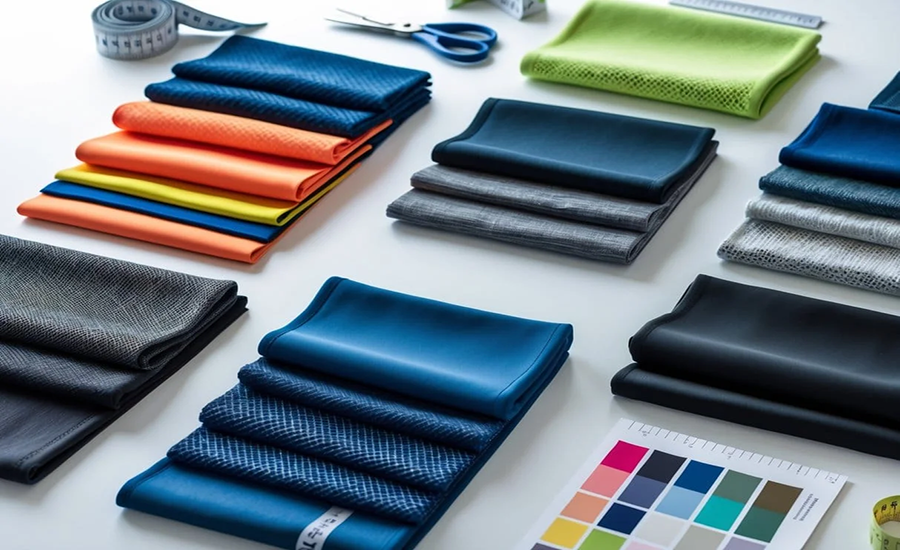
High-Intensity Sportswear Fabrics (HIIT, Running, CrossFit)
High-intensity training places extreme stress on fabrics. The goal is support, stability, and fast recovery, not excessive stretch.
Typical Use Scenarios
- HIIT
- Running
- CrossFit
- Explosive training
- High-impact workouts
Fabric Composition: Support Over Excessive Stretch
High-intensity fabrics rely on controlled elasticity, not maximum stretch.
Recommended composition:
- 70–85% Polyester or Nylon → sweat resistance, durability, structural stability
- 15–30% Spandex / Elastane → support without collapse
Too much spandex causes fabric fatigue and shape loss after repeated high-impact movements.
High performance is defined by rebound speed, support, and stability, not how far the fabric stretches.
Many brands talk about “high stretch.” Fewer talk about recovery rate—and that’s where performance truly shows.
Fabric Weight (GSM): Stability Over Lightness
High-intensity fabrics are not meant to be ultra-light.
Typical range:
- 220–280 GSM
This weight range allows the fabric to stay stable during squats, jumps, and sprints.
If the fabric is too light, it loses containment and support when the body is under load.
Knit Structure: Consistent Compression Matters
Knit structure plays a major role in high-intensity performance:
- Interlock knit
- Double knit
- High-density knit structures
We use high-density knits to prevent transparency and improve compression consistency across movement zones.
Moisture Management: Moving Sweat, Not Absorbing It
Good fabric doesn’t absorb sweat. It moves sweat away from the skin.
Effective moisture management depends on:
- Yarn structure
- Wicking finishes
- Inner and outer layer differentiation
The goal is fast sweat transfer and evaporation, keeping the skin dry during intense sessions.
Zoned Support Design in Finished Garments
Fabric performance becomes more effective when combined with garment engineering:
- Waistband: higher compression for core stability
- Thigh area: balanced support and stretch
- Back panel: increased breathability
Real Wear Scenarios
High-intensity fabrics must perform during:
- Deep squats
- Repeated jumps
- Short-distance sprints
Stability under pressure is the real test.
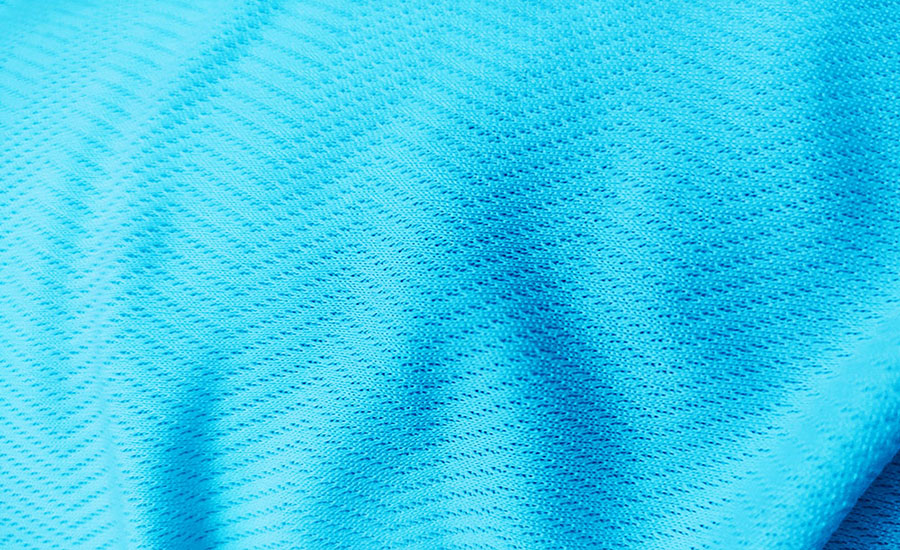
Medium-Intensity Sportswear Fabrics (Training, Yoga Strength, Pilates)
Medium intensity is all about balance.
Typical Use Scenarios
- Functional training
- Strength-focused yoga
- Pilates
- Daily gym workouts
The “Golden Ratio” of Fabric Composition
Recommended composition:
- 65–80% Polyester or Nylon
- 20–30% Spandex
This ratio gives enough support without making the garment feel restrictive, allowing controlled movement without stiffness.
Soft Touch vs Performance
Soft touch does not mean low performance.
Techniques such as:
- Peached finishes
- Light brushing
help reduce friction during controlled movements.
Soft touch is about comfort during repetition, not sacrificing functionality.
Thickness Selection Logic
Typical range:
- 180–240 GSM
Light enough for comfort, heavy enough to stay opaque and supportive.
This balance is crucial for studio-based training.
Stretch Direction Engineering
Stretch direction matters more than total stretch:
- 2-way stretch vs 4-way stretch
- Horizontal vs vertical extension
We adjust stretch direction based on movement patterns rather than trends.
Finished Garment Application
- Waist: moderate compression
- Leg opening: increased freedom
- Overall fit: adaptive, not aggressive
Medium-intensity fabrics are designed to adapt, not dominate movement.
Low-Intensity Sportswear Fabrics (Yoga, Recovery, Athleisure)
Low-intensity movement blends lifestyle and fabric science.
Typical Use Scenarios
- Yoga
- Stretching
- Recovery
- Athleisure
Fabric Philosophy: Comfort Over Performance Push
Low intensity is not about performance limits.
It is about comfort over time.
Fabric Composition Choices
Common options include:
- Modal / Tencel blends
- Cotton blends
- Lower spandex ratios (8–15%)
Less compression, more drape and softness create a relaxed wearing experience.
Breathability Works Differently Here
Low-intensity movement doesn’t require aggressive moisture management.
It needs natural breathability.
Airflow and skin comfort take priority over rapid sweat evaporation.
Elastic Design Logic
- Less compression
- Gentle stretch
- No strong pressure zones
The fabric should move with the body, not control it.
Skin Feel and Friction Control
Comfort depends on:
- Seam placement
- Low-friction zones
- Anti-pilling control
These details matter during long hours of wear.
Lifestyle Integration
Low-intensity fabrics support seamless transitions:
- Yoga → coffee
- Studio → commute
From class to daily wear, the fabric needs to stay comfortable for hours.
Low-intensity fabric is about wearability, not restriction.
Choosing the Right Fabric Intensity for Your Sportswear Line
When developing sportswear, the goal is not to use the “most advanced” fabric everywhere, but the right fabric for the right movement.
Key considerations:
- Match fabric performance to training intensity
- Avoid over-engineering
- Build multiple fabric systems within one collection
Understanding fabric intensity allows brands to design apparel that performs better, lasts longer, and feels right in real-world use.
From Fabric Science to Finished Sportswear
High-performing sportswear starts with fabric engineering, but succeeds through thoughtful application in garment construction.
By aligning material science with movement logic, sportswear becomes more than clothing—it becomes functional equipment designed for how the body truly moves.
Written by Luckpanther Manufacturing Team
Backed by 16+ years of hands-on experience in activewear manufacturing, our team supports brands through OEM and private label production — from fabric sourcing and product development to quality control and bulk manufacturing. We specialize in yoga pants, workout shorts, and performance apparel for international markets.
Explore our factory and manufacturing process →