
Introduction: What Is Woven Fabric?
Woven fabrics is one of the oldest and most widely used textile structures in the apparel industry. It is produced on a loom by interlacing warp (lengthwise) and weft (crosswise) yarns in a crisscross pattern. Depending on the weaving method, woven textiles are categorized into plain weave, twill weave, satin weave, and their numerous variations.
Because of the interlaced yarn structure, woven fabrics are strong, durable, and dimensionally stable, making them an essential choice for fashion garments, uniforms, outdoor apparel, and home textiles. Globally, woven textiles remain the leading fabric type in both variety and production volume.
Classification of Woven Fabrics
Woven fabrics can be divided based on their fiber composition:
- Single-Fiber Fabrics (e.g., 100% cotton, 100% polyester)
- Blended Fabrics (e.g., polyester-cotton blends, wool-polyester blends)
- Interwoven Fabrics (warp and weft from different fibers)
- Blended Interwoven Fabrics (multi-fiber combinations for enhanced performance)
This flexibility allows woven fabrics to be tailored for different applications, aesthetics, and performance requirements.
Advantages of Woven Fabrics
- Structural Stability
Due to the tight interlacing of warp and weft yarns, woven fabrics maintain their shape and resist deformation. - Elegant Drape
Many woven textiles drape smoothly, enhancing body contours and creating graceful silhouettes — ideal for dresses, shirts, and formalwear. - Vibrant Colors & Prints
Woven fabrics can be dyed, printed, or finished in a wide range of colors, patterns, and surface effects, enabling limitless fashion possibilities. - Durability & Abrasion Resistance
With a dense structure, woven fabrics resist everyday wear and tear, making them suitable for workwear, denim, and outerwear.
Disadvantages of Woven Fabrics
- Low Elasticity
Compared to knitted fabrics, woven textiles have limited stretch, which may restrict freedom of movement in sports or activewear. - Lower Breathability
Some tightly woven fabrics can feel less breathable, potentially causing discomfort in hot weather or high-intensity activities. - Wrinkling
Natural fiber woven fabrics like cotton and linen wrinkle easily and often require ironing or special finishing treatments.
Four Key Categories of Woven Fabrics
1. Plain Weave – The Textbook Basic
- Structure: Warp and weft cross over one by one (like a checkerboard).
- Common Materials: Cotton poplin, polyester-cotton blends, canvas.
- Advantages: Strong, durable, resistant to snagging, breathable, skin-friendly.
- Disadvantages: Low elasticity, wrinkles easily, average luster.
- Applications: Shirts, bed linens, tote bags, basic uniforms.
2. Twill Weave – The Soul of Denim
- Structure: Each weft yarn crosses over two or more warp yarns, forming diagonal rib lines.
- Common Materials: Denim (100% cotton), gabardine (wool blends).
- Advantages: Wrinkle-resistant, durable, elegant texture, moderate thickness.
- Disadvantages: Noticeable front and back difference, prone to color fading during washing.
- Applications: Jeans, trench coats, workwear, chinos.
3. Satin Weave – Symbol of Luxury
- Structure: Long floating yarns create a smooth, glossy surface.
- Common Materials: Silk satin, polyester satin.
- Advantages: Lustrous sheen, soft drape, elegant hand-feel, dust-resistant.
- Disadvantages: Easily snagged, prone to pilling with extended use.
- Applications: Evening gowns, qipao, wedding dresses, luxury bedding.
4. Specialty Woven Fabrics – Smart Variations
- Oxford Cloth: Modified plain weave with double warp and weft, durable and tear-resistant (used in luggage, tents, backpacks).
- Chiffon: Highly twisted plain weave yarns, sheer yet lightweight (used in dresses, scarves, curtains).
- Corduroy: Weft-pile twill structure with raised ribs, warm and retro (used in pants, jackets, and autumn/winter apparel).
Applications of Woven Fabrics in Apparel Manufacturing
Woven textiles dominate high-end fashion and professional apparel due to their versatility in style and performance. They are widely used in:
- Shirts & Blouses: Crisp hand-feel, elegant drape.
- Suits & Trousers: Structured, formal appearance.
- Outerwear: Wind-resistant, durable woven fabrics.
- Uniforms & Workwear: High abrasion resistance, long lifespan.
- Luxury Fashion: Satin and jacquard woven fabrics for statement pieces.
Different finishing processes (such as wrinkle resistance, water repellent finishing, antibacterial treatment) further expand their functionality.
Woven Fabrics vs. Knitted Fabrics
- Woven: Strong, structured, stable; less stretch; ideal for formalwear, outerwear, and uniforms.
- Knitted: Soft, stretchy, comfortable; ideal for sportswear, casualwear, and undergarments.
- In practice, many brands use woven fabrics for style and structure, and knitted fabrics for comfort and performance, creating hybrid collections.
Why Choose Our Factory for Woven Apparel Production?
As a professional OEM & ODM sportswear and apparel manufacturer, we specialize in woven textile production and garment development. Our strengths include:
- Wide Material Options: Cotton, polyester, nylon, spandex blends, and specialty woven fabrics.
- Customized Production: From fabric sourcing, dyeing, and finishing to garment manufacturing.
- Advanced Equipment: Modern weaving, dyeing, and finishing technology.
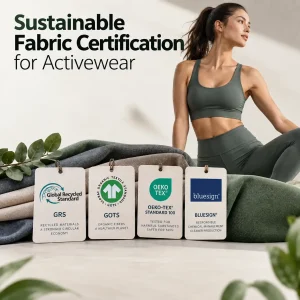
- Global Quality Standards: SGS, OEKO-TEX® Standard 100, ISO9001 certified.
- Flexible MOQ: Supporting both bulk production and small-batch private labels.
We work with international brands and startups to create woven garments that combine trend-driven design with reliable quality.
Conclusion
Woven fabrics remain one of the most important materials in the apparel industry, thanks to their stability, durability, and elegant drape. From basic plain weave shirts to luxury satin gowns, woven textiles bring both functionality and aesthetic appeal.
If you’re sourcing woven fabric garments or seeking an OEM/ODM factory partner, our team provides trend insights, material expertise, and end-to-end manufacturing solutions to help your brand succeed in the global market.
Contact us today to request free samples or discuss your next woven apparel collection.

Chelsea Lin
Chelsea Lin is an activewear production specialist with over 10 years of experience in sportswear manufacturing, product development, and quality management. She specializes in leggings, yoga wear, sports bras, and custom activewear development.
Her expertise covers fabric evaluation, technical development, sampling, production management, and AQL-based quality inspections, helping brands improve material selection, garment performance, and production consistency.
- 10 Sportswear Manufacturers in Bangladesh: Beyond Low Cost October 9, 2026
- 8 USA Tennis Clothing Manufacturers Behind the Seams October 8, 2026
- Bulk Order Doesn't Match the Sample? 7 Causes in Activewear Production October 7, 2026
- 10 Jacket Manufacturers in China for Complex Jacket Production October 6, 2026
- How to Give Sample Revision Feedback to a Factory October 1, 2026
Our Fact Checking Process
We prioritize accuracy and integrity in our content. Here's how we maintain high standards:- Expert Review: All articles are reviewed by subject matter experts.
- Source Validation: Information is backed by credible, up-to-date sources.
- Transparency: We clearly cite references and disclose potential conflicts.