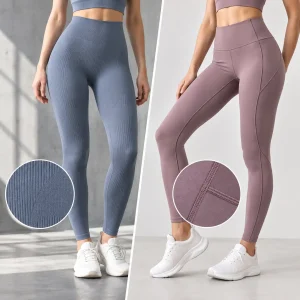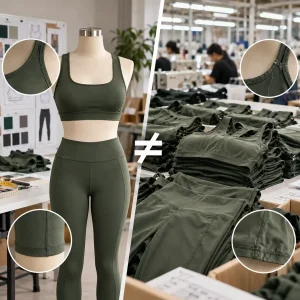

If you’re sourcing running pants for your brand, choosing between compression and loose fit isn’t just about comfort — it’s about target customers, price positioning, and sales performance.
You’ve seen athletes wearing tight-fitting gear, yet others swear by the comfort of looser styles. The choice isn’t just about fashion; it affects performance, comfort, and endurance. Before you pick a pair, it’s essential to understand what each style offers.
Let’s dive into the debate and find out which is the better fit for you.
What Are Running Pants?
Running pants are designed for comfort, flexibility, and performance during runs or workouts. They come in various styles, including compression and loose-fit, each offering unique benefits. Compression pants provide muscle support and improve circulation. Loose-fit pants offer breathability and unrestricted movement. The right choice depends on weather conditions, running intensity, and personal preference.
What Are Compression Running Pants?

Should running pants be tight?
Compression running pants are form-fitting athletic wear designed to provide muscle support and improve circulation. They are made from stretchy, moisture-wicking materials like spandex and polyester, ensuring a snug yet flexible fit. These pants apply gentle pressure to muscles, reducing vibrations and fatigue while enhancing performance.
When Were Compression Running Pants Introduced?
Compression wear has roots in the medical field, originally used to improve blood circulation and prevent swelling. Athletes started using compression garments in the late 20th century, recognizing their benefits in enhancing endurance and recovery.
Over time, compression running pants became popular among runners, sprinters, and gym enthusiasts.
The Growing Trend of Compression Running Pants:
Today, compression running pants are widely worn by professional and casual runners alike. They have gained popularity due to their ability to reduce muscle soreness and improve post-workout recovery. Many brands now incorporate advanced fabrics and seamless designs, making compression pants a staple in athletic wear.
What Are Loose-Fit Running Pants?

Loose-fit running pants are athletic bottoms designed for comfort, breathability, and unrestricted movement. Unlike compression pants, they have a relaxed fit, allowing air circulation and freedom of motion. These pants are often made from lightweight materials like polyester, nylon, or cotton blends, ensuring flexibility and moisture control.
When Did Loose-Fit Running Pants Become Popular?
Loose-fit running pants have been around for decades, originally worn by athletes in track and field. In the past, runners preferred looser designs for comfort, especially in warm weather. Over time, they evolved with better fabrics and features like sweat-wicking technology and ventilation panels.
Why Do Runners Prefer Loose-Fit Pants?
Many runners choose loose-fit pants for their relaxed feel and versatility. They provide better airflow, making them ideal for warm climates or casual jogs. Some designs also come with adjustable waistbands, pockets, and reflective details for convenience and safety.
While they may not offer the muscle support of compression pants, they remain a popular choice for runners who prioritize comfort and ease of movement.
How Do Compression Running Pants Improve Performance?

Compression running pants improve performance by enhancing blood circulation, reducing muscle fatigue, and supporting muscle recovery. Studies show that compression wear can increase oxygen delivery to muscles by up to 40%, leading to better endurance and reduced soreness.
A 2016 study published in the Journal of Sports Sciences found that athletes wearing compression garments experienced 42% less muscle vibration, which helps reduce fatigue and improve running efficiency.
These pants also aid in faster post-workout recovery. Research from the International Journal of Sports Physiology and Performance suggests that compression gear can reduce muscle soreness by 27% within 24 hours after intense exercise.
Additionally, they help regulate body temperature and wick away sweat, keeping runners dry and comfortable. For those aiming to improve speed and endurance, compression running pants provide essential support, making them a popular choice among professional and amateur athletes alike.
Why Choose Loose-Fit Running Pants for Comfort?

Loose-fit running pants provide superior comfort, breathability, and freedom of movement, making them a preferred choice for many athletes. Unlike compression pants, which fit tightly, loose-fit pants allow better airflow, reducing the risk of overheating.
A study published in the Journal of Sports Medicine and Physical Fitness found that runners wearing loose clothing experienced 30% better heat dissipation compared to those in compression wear, which is crucial for long-distance running in hot climates.
Additionally, loose-fit running pants reduce skin irritation and chafing. According to the American Academy of Dermatology, friction from tight clothing can cause 35% more cases of exercise-induced rashes compared to looser alternatives. They are also ideal for casual joggers who prioritize comfort over muscle support.
With moisture-wicking fabrics and flexible designs, loose-fit running pants offer a relaxed yet functional option for those who want a comfortable, stress-free running experience.
Which Type Is Better for Different Weather Conditions?

Choosing between compression and loose-fit running pants depends on the weather and your comfort needs. In cold weather, compression pants provide warmth by improving blood circulation and retaining body heat.
According to studies, athletes wearing compression gear in winter conditions experienced 15% better temperature regulation than those in looser clothing. This makes compression pants ideal for winter running or training in cooler climates.
In hot weather, loose-fit running pants are the better choice. They allow for better airflow and sweat evaporation, keeping the body cooler. Research from the American College of Sports Medicine shows that loose clothing can help reduce body heat by up to 30%, which is essential for endurance training in warm conditions.
Lightweight, moisture-wicking fabrics in loose-fit running pants also prevent excessive sweating and discomfort.
For moderate temperatures, the choice depends on personal preference. Compression pants provide muscle support, while loose-fit pants offer comfort and flexibility. Runners should consider the climate and their activity level when deciding which type best suits their needs.
What’s the Best Choice for Endurance and Recovery?
For endurance and recovery, compression running pants are often the better choice. They provide muscle stabilization, reducing vibrations and minimizing fatigue during long runs. A study published in the Journal of Strength and Conditioning Research found that athletes wearing compression gear experienced less muscle soreness and faster recovery compared to those wearing loose clothing.
The graduated compression helps improve blood circulation, delivering more oxygen to muscles and removing lactic acid buildup more efficiently. This can enhance endurance by delaying muscle fatigue and reducing cramping.
However, some runners prefer loose-fit running pants for post-run recovery, as they allow for unrestricted movement and better air circulation. If comfort is a priority during cool-downs or low-intensity workouts, loose-fit running pants may be the better option. Ultimately, the best choice depends on your running style, recovery needs, and personal comfort.
Are There Any Downsides to Each Option?
Both compression and loose-fit running pants have downsides, depending on individual needs and preferences. Some common downsides of compression and loose-fit running pants are discussed below:
Compression Running Pants:
Is it gym pants with compression fit: best options
- Restricted Comfort: Some runners find them too tight, especially during long runs.
- Heat Retention: In warm weather, they may cause overheating due to reduced airflow.
- Higher Cost: Quality compression pants are often more expensive than loose-fit options.
Loose-Fit Running Pants:
- Less Muscle Support: They do not provide compression benefits like reduced muscle fatigue and quicker recovery.
- Wind Resistance: The loose fabric can create drag, making running less efficient.
- Moisture Management: They may not wick sweat as effectively, leading to discomfort in humid conditions.
Choosing the right option depends on your running goals, climate, and comfort preference.
(Partner with Chinese sportswear manufacturers or Australian yoga brands to turn your vision into reality.)
How to Choose the Right Running Pants for Your Needs?

Choosing the right running pants depends on your fitness goals, climate, and comfort preferences. Some important points to consider before investing in bulk running pants are listed below:
- Purpose of Running: If you need muscle support and faster recovery, go for compression running pants. For a relaxed feel, choose loose-fit pants.
- Weather Conditions: Compression pants are ideal for cold weather, while loose-fit pants offer better breathability in warm climates.
- Comfort and Fit: Compression pants hug the body tightly, while loose-fit pants allow more airflow and freedom of movement.
- Moisture-Wicking Ability: If you sweat a lot, look for materials like polyester blends with moisture-wicking properties.
- Durability and Budget: Compression pants tend to be more expensive but offer better longevity. Loose-fit pants are usually more affordable but may wear out faster.
Which Running Pants Sell Better?
It depends on your market:
- Compression pants are popular among fitness-focused brands and usually offer higher margins
- Loose fit pants appeal to a wider audience and are easier to sell in bulk
For new brands, testing both styles is often the best strategy to identify what works best in your market.
Conclusion
Both compression and loose-fit running pants offer unique benefits. Compression pants enhance performance, circulation, and recovery, while loose-fit pants provide breathability and freedom of movement. Choosing the right option depends on your running style, comfort preferences, and weather conditions.
For high-intensity workouts and muscle support, compression pants are ideal. If you prioritize comfort and airflow, loose-fit pants may be the better choice.
👉 Looking for a reliable running pants manufacturer?
Contact us for OEM/ODM solutions and low MOQ options.
FAQs About Running Pants
How should running pants fit?
Running pants should fit snugly but not restrict movement. Compression pants should feel tight but comfortable, while loose-fit pants should allow free movement without excess fabric.
Do running pants help with muscle recovery?
Compression running pants can improve blood circulation and reduce muscle fatigue, aiding in faster recovery after intense workouts.
Are there specific running pants for different seasons?
Yes, winter running pants are often thermal or fleece-lined, while summer ones use lightweight, moisture-wicking materials to keep you cool.
How do I properly care for my running pants?
Wash in cold water, avoid fabric softeners, and air dry to maintain elasticity and moisture-wicking properties.