
Recycled sportswear is becoming one of the fastest-growing segments in the global activewear market. As sustainability moves from trend to standard, more brands are turning to recycled sportswear to meet both environmental goals and consumer demand.
But what exactly is recycled sportswear? How does it work, and does it perform as well as traditional activewear?
This guide explains everything you need to know about recycled sportswear, including materials, performance, and how brands can develop custom collections.
What Is Recycled Sportswear
Recycled sportswear refers to activewear made from recycled materials instead of virgin raw fibers.
The most common sources include:
- Post-consumer plastic bottles
- Industrial textile waste
- Discarded fishing nets (for recycled nylon)
These materials are processed, cleaned, and transformed into new fibers that can be used to produce high-performance fabrics.
Unlike traditional sportswear, recycled sportswear reduces environmental impact while maintaining the functionality required for training, running, and daily wear.
What Materials Are Used in Recycled Sportswear
Recycled Polyester (rPET)

Recycled polyester is the most widely used material in recycled sportswear.
It is made by converting plastic waste—primarily PET bottles—into textile fibers.
Key features:
- Excellent moisture-wicking performance
- Lightweight and quick drying
- Durable and cost-efficient
- Suitable for large-scale production
Common applications:
- T-shirts
- Training tops
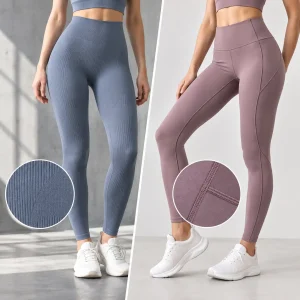
- Leggings
- Lightweight jackets
Recycled Nylon

Recycled nylon is often made from industrial waste or ocean plastics such as fishing nets.
Key features:
- Superior stretch and recovery
- Soft and smooth hand feel
- High durability and abrasion resistance
It is widely used in:
- Compression leggings
- Yoga wear
- Performance-focused activewear
Blended Sustainable Fabrics
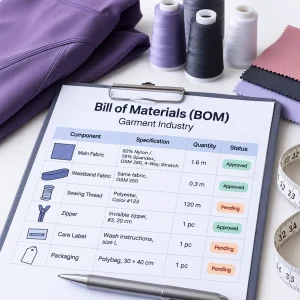
Many recycled sportswear fabrics combine recycled polyester or nylon with elastane (spandex).
This blend provides:
- Stretch for movement
- Shape retention
- Balanced compression
Fabric composition plays a key role in determining how the garment performs in real use.
How Recycled Sportswear Works
A common misconception is that recycled sportswear is less functional than traditional fabrics.
In reality, performance depends on fabric engineering, not just raw material origin.
High-quality recycled sportswear works through:
1. Moisture Management
Instead of absorbing sweat, the fabric moves moisture away from the skin.
2. Quick Dry Technology
Sweat spreads across the fabric surface and evaporates quickly.
3. Breathability
Airflow zones help regulate body temperature during activity.
4. Stretch and Recovery
Blended fibers allow the fabric to stretch and return to shape without deformation.
These features make recycled sportswear suitable for gym training, running, yoga, and everyday wear.
Benefits of Recycled Sportswear

Environmental Benefits
- Reduces plastic waste
- Lowers carbon footprint
- Saves water and energy in production
Performance Benefits
- Comparable to traditional sportswear
- Lightweight and breathable
- Durable for repeated use
Business Benefits for Brands
- Supports sustainable branding
- Meets consumer expectations
- Enhances product differentiation
Recycled sportswear is not just eco-friendly—it is commercially valuable.
Recycled Sportswear vs Regular Sportswear
Understanding the difference helps brands and buyers make better decisions.
Recycled Sportswear:
- Made from reused materials
- Lower environmental impact
- Strong sustainability value
Regular Sportswear:
- Made from virgin fibers
- Traditional production process
- No environmental positioning
With proper manufacturing, both can achieve similar performance levels, but recycled sportswear adds long-term brand value.
Applications of Recycled Sportswear
Recycled sportswear is highly versatile and can be used across multiple categories:
- Recycled sportswear leggings
- Sustainable yoga wear
- Eco friendly activewear
- Training tops and T-shirts
- Lightweight jackets
This flexibility allows brands to build full sustainable product lines.
Custom Recycled Sportswear for Brands (OEM/ODM)
For brands and retailers, developing recycled sportswear requires a reliable manufacturing partner.
We support custom recycled sportswear production with:
Product Development
- Leggings, tops, jackets, and full sets
- Women’s, men’s, and plus size activewear
Fabric Options
- Recycled polyester
- Recycled nylon
- Custom blended fabrics
Branding Services
- Logo printing and embroidery
- Private label packaging
Production Support
- Low MOQ for growing brands
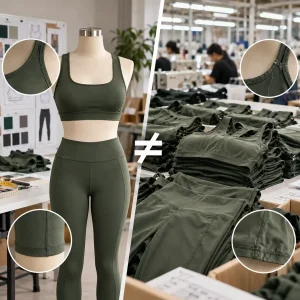
- Stable quality control
- Scalable bulk production
We help brands turn sustainable concepts into market-ready products.
How to Choose a Recycled Sportswear Manufacturer
When sourcing recycled sportswear, consider:
- Fabric quality and certifications (such as GRS)
- Experience in activewear production
- Customization capabilities
- Production capacity and delivery time
A reliable supplier ensures consistent quality and long-term cooperation.
Conclusion: Why Recycled Sportswear Matters
Recycled sportswear is redefining the future of activewear.
By combining sustainable materials with advanced fabric technology, brands can create products that perform well while reducing environmental impact.
As demand for eco friendly activewear continues to grow, recycled sportswear is no longer optional—it is becoming the industry standard.
Start Your Recycled Sportswear Project
Looking to develop your own recycled sportswear collection?
We offer:
- Custom design support
- Sustainable fabric sourcing
- OEM/ODM manufacturing
- Low MOQ options
Contact us today to start your recycled sportswear production.
FAQ
What is recycled sportswear made from?
Recycled sportswear is made from recycled materials such as plastic bottles, textile waste, and fishing nets, processed into new fibers.
Is recycled sportswear good quality?
Yes. High-quality recycled sportswear offers the same performance as traditional activewear when properly engineered.
What is recycled polyester in sportswear?
Recycled polyester (rPET) is made by processing plastic bottles into fibers used in sportswear fabrics.
Is recycled sportswear eco-friendly?
Yes. It reduces waste, lowers energy consumption, and supports sustainable production.
Can recycled sportswear be customized?
Yes. Manufacturers can provide custom recycled sportswear with branding, fabric selection, and private label services.