
In the expansive world of functional textiles, 2-layer fabrics have become a popular choice among brands and consumers alike due to their unique structure and performance advantages. For professionals and enthusiasts in the activewear industry, understanding the characteristics, applications, and market trends of these fabrics is key to making smarter product decisions.
1. Unique Structure and Core Functions of 2-Layer Fabrics

2-layer fabric is a type of functional composite material formed by directly bonding an outer base fabric with a waterproof and breathable membrane. It features no independent inner lining, giving it a lightweight and portable advantage.
Typically utilizing PU coatings or ePTFE membranes, 2-layer fabrics are effective in offering basic windproof and waterproof protection. Whether you’re caught in an unexpected rainstorm or battling strong winds outdoors, garments made from 2-layer fabrics create a protective barrier, ensuring a dry and comfortable wearing experience. However, it’s worth noting that its breathability is slightly lower than that of 3-layer fabrics.
From a cost perspective, 2-layer fabrics also stand out. Their simpler structure reduces production costs, resulting in better cost-efficiency, which appeals to consumers looking for a balance between practicality and affordability.
2. Broad Application Scenarios of 2-Layer Fabrics
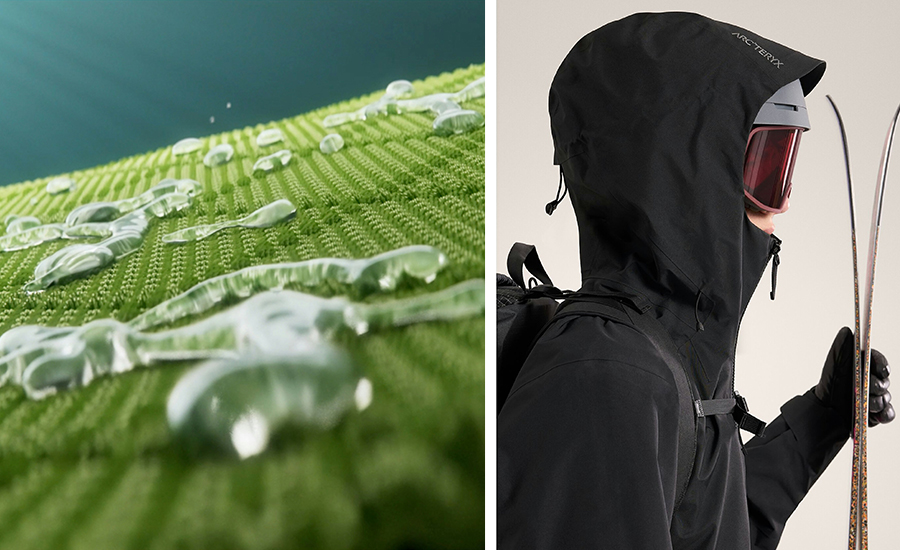
Thanks to their lightweight and functional features, 2-layer fabrics are widely used across multiple sectors. In the outdoor apparel market, they’re often found in lightweight shell jackets and sun protection outerwear.
Imagine a casual hike in the mountains — a lightweight 2-layer jacket will keep you protected from chilly winds or sudden drizzles without adding unnecessary weight, allowing you to move freely and comfortably. In sports gear, they are often used for backpack rain covers, keeping your belongings dry. In industrial protection gear, 2-layer fabrics also serve a functional purpose.
Whether navigating busy city streets or enjoying light outdoor adventures, 2-layer fabrics are versatile enough to meet diverse needs. Their lightweight design and excellent price-to-performance ratio make them a go-to choice for entry-level outdoor products and fast fashion brands, maintaining strong demand in both the outdoor and urban commuting markets.
3. Market Trend: Sustainability & Innovation in 2-Layer Fabrics

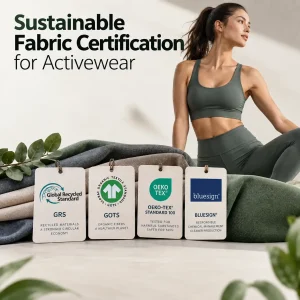
As global awareness of sustainability continues to rise, 2-layer fabrics made from recycled materials are gaining traction. Consumers now pay close attention not only to performance, but also to the environmental impact of the products they buy. This shift has spurred a wave of innovative and eco-friendly 2-layer fabrics.
1. RMTD0026-PR7F4A – A Pioneer in Circular Sustainability
Made from 100% recycled polyester, this fabric combines post-consumer recycled PET, rPET film, and PET adhesive. It offers excellent waterproof and breathability while featuring an innovative textile-to-textile structure that simplifies garment recycling. This contributes to a true closed-loop system, significantly reducing environmental impact.
2. RS055R3CL8 – The Perfect Blend of Stretch & Sustainability
Comprising 16% elastane and 84% recycled polyamide, this fabric features bi-directional stretch, PFC-free water repellency, and a Hybreath hydrophilic laminate. It offers superior comfort for active movements while also meeting high environmental standards.
3. Fully Recyclable – A Breakthrough in Single-Material Solutions

Made with GRS-certified recycled polyester and TPEE film, this 100% recyclable fabric avoids the complexity of mixed materials. It’s designed with sustainability at its core, delivering both performance and a streamlined end-of-life recycling process.
4. EFEND MONO – Carbon Capture for Next-Gen Performance
Crafted from 100% polyester, EFEND MONO uses a single-component structure and carbon capture technology, converting CO₂ into fiber-grade ethylene glycol to produce polyester. It maintains excellent physical properties while reducing greenhouse gas emissions. It also boasts 20,000mm waterproofness and 20,000g/m²/24h breathability — balancing eco-innovation and elite performance.
5. DJ6407 – Dual-Layer Design with Recyclability in Mind
Combining mechanical stretch woven polyester and functional film, this dual-layer fabric is designed as a mono-material composite for improved recyclability while ensuring waterproof and breathable functionality.
6. Bonded 2-Layer – Outdoor Protection Meets Eco-Conscious Design
Made with 100% recycled polyester, this fabric features DWR treatment and a TPEE waterproof membrane, achieving a 20K/50K waterproof rating. Ideal for outdoor jackets, it provides reliable protection while aligning with modern consumers’ green values.
4. Challenges & Future Development of 2-Layer Fabrics

Despite their many strengths, 2-layer fabrics face increasing competition from more advanced 2.5-layer and 3-layer technologies. As consumer expectations rise, breathability and durability limitations of 2-layer fabrics are becoming more apparent.
To remain competitive, future development must focus on material innovation and process upgrades, such as:
- Adopting bio-based coatings to enhance eco-performance
- Improving bonding techniques to balance function and cost
- Optimizing recyclability through single-material construction
These innovations will enable brands to deliver products with better performance without sacrificing affordability.
5. How to Choose the Right 2-Layer Fabric Product
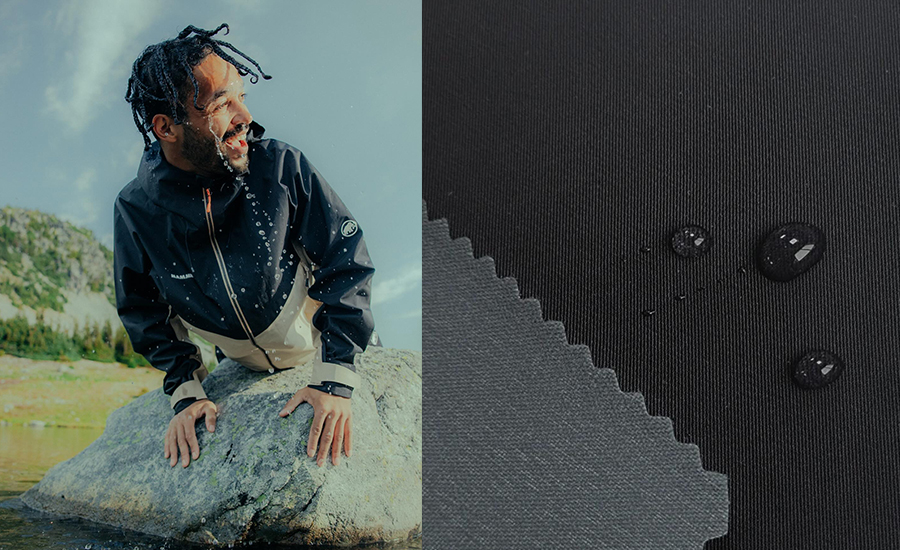
When selecting 2-layer fabric garments, consumers should consider more than just brand and price — practical needs and fabric performance are essential. For daily commuting, go for lightweight and stylish pieces. For light outdoor use, prioritize windproof and waterproof performance.
Also, look for products made with recycled or eco-certified materials to contribute to a greener planet.
2-layer fabrics, with their lightweight structure, great cost-performance ratio, and growing sustainability innovations, continue to play a key role in the functional textile market. As technology advances and consumer demand diversifies, we believe 2-layer fabrics will bring even more possibilities — satisfying fashion-conscious urban users and outdoor enthusiasts alike.
At Luckpanther, we stay at the forefront of 2-layer fabric development, actively engaging in R&D and production of functional textiles. Inspired by industry-leading exhibitions, we integrate cutting-edge technologies and sustainable materials into our manufacturing processes. Whether you’re building a fashionable urban activewear line or high-performance outdoor gear, we offer customized, high-quality products designed to meet your brand vision.
Click to learn more about our factory and product catalog — and start your journey toward lightweight, sustainable activewear.