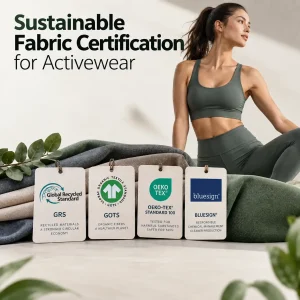

In today’s fashion industry, eco-friendly fabrics are receiving increasing attention from both consumers and brands. These fabrics not only significantly reduce environmental impact but also provide a healthier and more comfortable wearing experience for consumers. As a sportswear manufacturer, we are committed to staying ahead of fabric innovation and sustainability to offer our customers high-quality and eco-friendly products. In this article, we will introduce several common eco-friendly fabrics and their characteristics to help you better understand and choose the right fabric for your needs.
1. Organic Cotton

Manufacturing Process:
Organic cotton refers to cotton grown without the use of synthetic fertilizers, pesticides, herbicides, or genetically modified organisms (GMOs). Organic farming techniques such as crop rotation, composting, and the use of organic fertilizers help maintain soil health and biodiversity. After harvesting, the cotton undergoes environmentally-friendly processing methods to turn it into textile products.
Advantages:
- Highly Sustainable: The cultivation process avoids chemical fertilizers and pesticides, reducing soil pollution.
- Comfortable: Soft, breathable, and ideal for everyday wear.
- Skin-friendly: Free from harmful chemicals, making it suitable for people with sensitive skin.
Disadvantages:
- Higher Cost: Due to the more complex production process and lower yield, organic cotton tends to be more expensive than conventional cotton.
- Prone to Fading: Organic cotton fabrics are more likely to fade over time, requiring careful washing and maintenance.
Care Instructions:
- Washing: Wash with cold or lukewarm water, using a mild detergent. Avoid high-temperature drying.
- Ironing: If wrinkles occur, use low-temperature ironing to avoid damage to the fibers.
Usage Scenarios:
- Ideal for making daily sports T-shirts, sports pants, sports bras, etc. It’s a great choice for customers who value natural materials and comfort. Its breathability and softness make it perfect for activewear and casual clothing.
2. Recycled Polyester
Manufacturing Process:
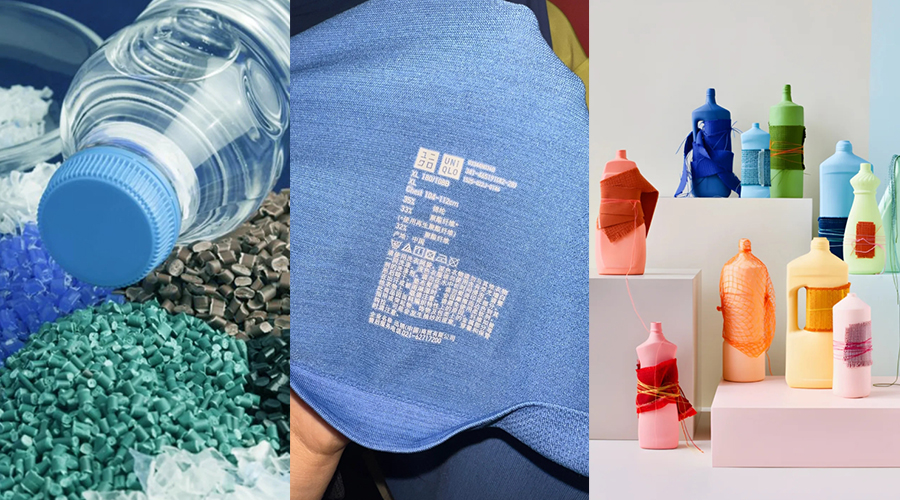
Recycled polyester is made from the recycling of waste plastic bottles, old garments, and other polyester-based materials. These materials are cleaned, melted down, and reprocessed into fibers, reducing plastic waste and conserving resources.
Advantages:
- Environmentally Friendly: Effectively reduces plastic waste and reliance on petroleum resources, supporting the circular economy.
- Durability: Polyester fibers are strong, tear-resistant, and wrinkle-resistant, making them suitable for long-term wear.
- Color Retention: The fabric retains its vibrant colors over time.
Disadvantages:
- Poor Breathability: Polyester has low breathability, making it more suitable for colder weather.
- Not Fully Biodegradable: While recycled, polyester is still a synthetic fiber and does not biodegrade like natural fibers.
Care Instructions:
- Washing: Suitable for machine washing with cold or lukewarm water, avoiding high heat.
- Avoid Abrasive Surfaces: Recycled polyester can be damaged by rough surfaces, so it’s best to avoid friction.
Usage Scenarios:
- Ideal for sport jackets, tank tops, sports bags, etc. Its durability, tear resistance, and colorfastness make it excellent for high-intensity sports and outdoor activities.
3. Tencel (Lyocell)

Manufacturing Process:
Tencel is made from wood pulp (such as eucalyptus, beech, or spruce trees) using a solvent-spinning process. The solvent used in production is largely recyclable, making the process environmentally friendly with minimal pollution.
Advantages:
- Highly Sustainable: The production process uses a closed-loop technology that recycles solvents and minimizes environmental impact.
- Soft and Comfortable: Tencel has a soft, silky feel, offering a comfortable wearing experience, especially for close-fitting garments.
- Breathable: Tencel is highly breathable and moisture-wicking, making it suitable for warm weather.
Disadvantages:
- Prone to Wrinkling: Tencel fabric is more likely to wrinkle, requiring regular ironing.
- Higher Cost: The production process is more complex, so Tencel fabrics tend to be more expensive.
Care Instructions:
- Washing: Tencel can be machine washed, but it’s best to use cold or lukewarm water and a gentle detergent.
- Ironing: Iron at low heat using steam, avoiding direct high heat.
Usage Scenarios:
- Perfect for making sports bras, sports T-shirts, running shorts, etc. Tencel’s softness and breathability make it ideal for activewear, particularly in warm climates or for high-intensity activities.
4. Hemp
Manufacturing Process:
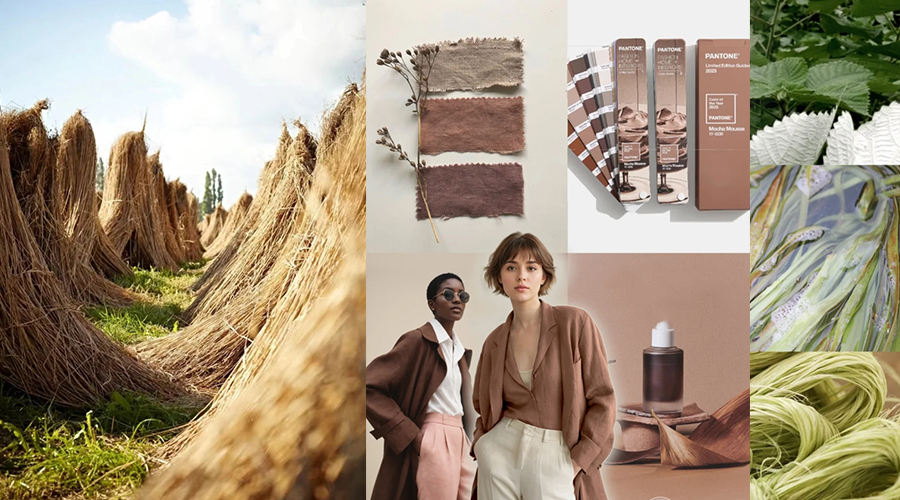
Hemp fiber is extracted from the stalks of the hemp plant, which grows quickly and requires minimal water and pesticides. Hemp is considered a highly sustainable material due to its low environmental impact during cultivation.
Advantages:
- Low Water Usage: Hemp plants require less water to grow, making it ideal for dry, arid regions and conserving precious water resources.
- Durable: Hemp fibers are extremely durable and resistant to stretching and wear, making them ideal for long-lasting clothing.
- Natural Antibacterial Properties: Hemp fibers naturally resist bacteria and help control odors.
Disadvantages:
- Coarse Texture: Hemp fibers are rougher compared to cotton, which may not be as soft to the touch.
- Wrinkling: Hemp fabrics tend to wrinkle easily, requiring regular ironing.
Care Instructions:
- Washing: Hemp fabrics are best hand-washed or machine-washed with cold water. Avoid hot water.
- Ironing: Use a steam iron to smooth out wrinkles, keeping the fabric in good condition.
Usage Scenarios:
- Suitable for outdoor sportswear, running shorts, and summer sports T-shirts, hemp’s breathability and natural antibacterial properties make it ideal for hot climates and active outdoor use.
5. Bamboo Fiber
Manufacturing Process:
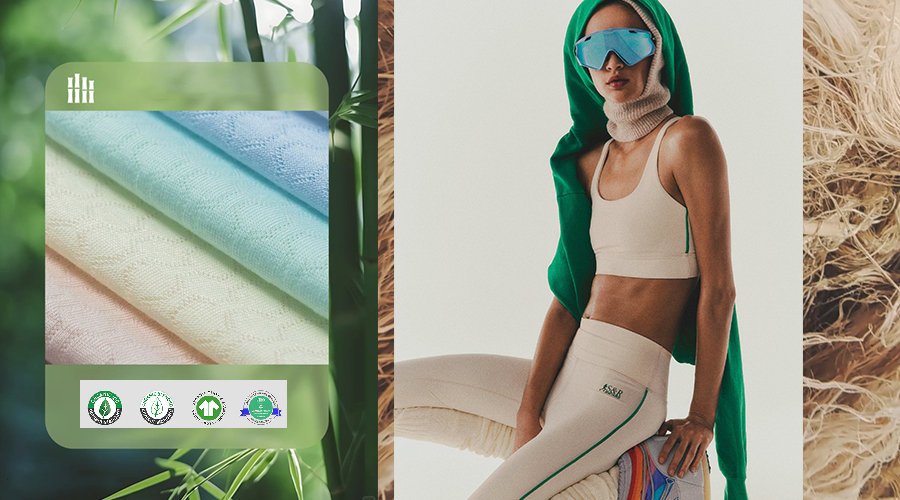
Bamboo fiber is made by extracting cellulose from bamboo through a chemical process, which is then transformed into fibers. Modern eco-friendly technologies are increasingly reducing the use of chemical solvents during production.
Advantages:
- Eco-Friendly: Bamboo grows quickly with minimal water and fertilizer requirements and is fully biodegradable, supporting sustainable development.
- Antibacterial Properties: Bamboo fiber naturally resists bacteria and helps suppress odors.
- Comfortable: Bamboo fiber is soft, breathable, and moisture-wicking, making it ideal for summer wear.
Disadvantages:
- Chemical Processing: The production of bamboo fiber often involves chemical solvents, although more environmentally friendly processes are being developed.
- Prone to Fading: Bamboo fabric may lose its color over time with prolonged washing.
Care Instructions:
- Washing: Bamboo fabrics can be machine-washed with cold or lukewarm water, avoiding bleach.
- Ironing: Bamboo fiber is delicate, so it’s best to avoid high-temperature ironing, especially when dry.
Usage Scenarios:
- Ideal for sports bras, sports socks, yoga wear, etc. Bamboo’s natural antibacterial properties and comfort make it perfect for everyday activewear, particularly for close-fitting garments.
6. Recycled Wool

Manufacturing Process:
Recycled wool is made from old wool garments (such as old sweaters) or textile waste. The wool is cleaned, de-greased, and reprocessed into new fibers.
Advantages:
- Highly Sustainable: Recycling wool reduces the demand for new wool, conserving resources and reducing waste.
- Warmth: Wool naturally provides excellent insulation, making it perfect for colder climates.
- Antibacterial: Wool has natural antibacterial properties, preventing odors.
Disadvantages:
- Shrinks Easily: Wool can shrink or distort when exposed to heat, detergent, or rough washing.
- Higher Cost: The process of recycling wool can be more expensive, making the fabric relatively costly.
Care Instructions:
- Washing: Use lukewarm water and a wool-specific detergent to hand wash or use a wool cycle in the washing machine. Avoid hot water and drying.
- Ironing: Iron wool at low temperature to avoid direct heat contact, and use steam to avoid damage.
Usage Scenarios:
- Perfect for sport jackets, winter sportswear, cold-weather accessories, etc. Recycled wool’s warmth and durability make it an excellent choice for outdoor sports and winter activities, especially in cooler months.
Conclusion
As environmental awareness grows, the sportswear industry is increasingly shifting toward greener, more sustainable practices. Choosing eco-friendly fabrics is not only a responsibility towards the planet but also a step toward a healthier, more comfortable wearing experience for you and your loved ones. Whether it’s organic cotton, recycled polyester, Tencel, hemp, bamboo, or recycled wool, each eco-friendly fabric brings something unique to the table, contributing to a more sustainable lifestyle.
As a sportswear manufacturer, we are committed to driving eco-innovation and offering high-quality, sustainable apparel. By choosing eco-friendly fabrics, consumers can enjoy both performance and sustainability. If you’re interested in learning more about our eco-friendly fabric products, feel free to contact us for further information.
Let’s wear eco-friendly fashion and sprint towards a greener future together!