
What Is a Clothing Factory Audit?
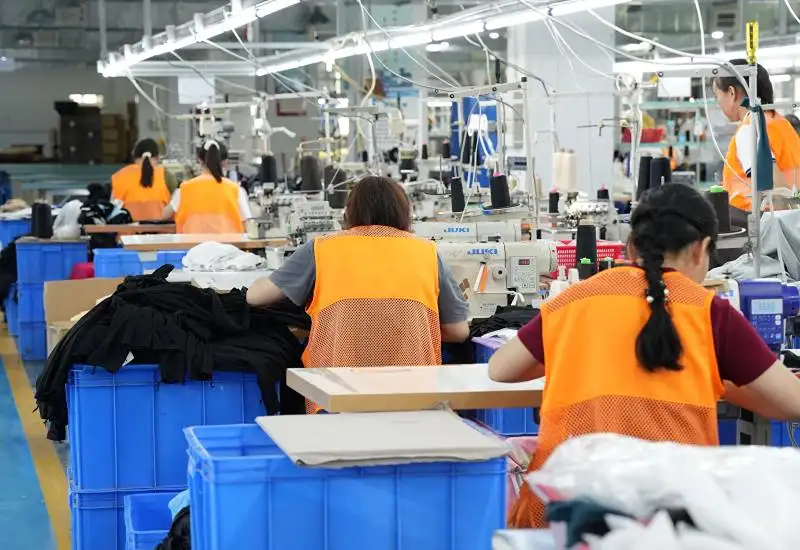
A clothing factory audit looks at how a supplier produces, while a product inspection looks at what the supplier has produced.
For example, an audit may verify whether key production steps are controlled in the factory and whether problems are tracked during production. An inspection checks a specific order for issues such as incorrect measurements, sewing defects, color differences, or packing mistakes.
In short: an audit checks the factory behind the order; an inspection checks the order itself.
Clothing Factory Audit Checklist
Check | What to Verify | What Needs a Closer Look |
Factory identity | Company details match the actual production site | Order is placed with one company but production happens at another site |
Similar products | Similar fabrics and garment construction are running on the floor | Experience is shown only through showroom samples |
Production capacity | Suitable lines, machines, current workload, and available production slots | Capacity is given as a monthly number with no current schedule to support it |
Fabric control | Rolls are identified by order, color, and dye lot before cutting | Rolls cannot be traced or different dye lots are mixed |
Cutting & sewing | Current pattern, bundle identification, and approved first piece | Production team cannot confirm which approved version is being followed |
Quality control | Inline defect records, rework, and recheck can be traced | QC exists, but there is no record of what happened after defects were found |
Packing & storage | Size, color, SKU, carton marks, and packing list match | Finished goods or cartons cannot be clearly separated by order or SKU |
What Should You Check During a Clothing Factory Audit?
The checklist gives you the quick version. Here’s how to verify each point on the factory floor instead of relying on the supplier’s answer.
1. Verify Who Is Actually Making Your Order
Confirm how the company on your quotation and contract is connected to the factory you are auditing. Then ask where cutting, sewing, printing, finishing, and packing will actually happen.
Outsourcing is not always a red flag. Some sportswear processes may be handled by outside specialists. What matters is who does the work, how it is checked when it returns, and who takes responsibility for defects. ISO guidance on external providers follows the same principle of controlling externally provided processes.
2. Check Whether They Already Make Similar Clothing
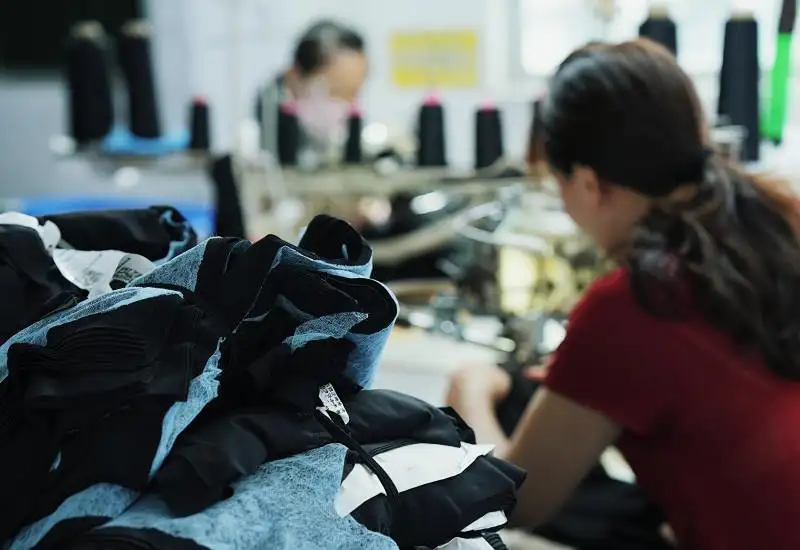
Don’t judge experience by the showroom alone. Look at what is currently running on the production floor.
If you are looking for a custom leggings manufacturer, seeing hundreds of T-shirts tells you very little. Look for products using similar stretch fabrics, waistband construction, elastic, seam types, and branding methods. These details show whether the team already works with the same production challenges your product will bring.
Don’t stop at a finished sample. Ask to see a similar garment at different production stages. Cutting bundles, half-sewn garments, and finished units give a much clearer picture of real experience.
3. Check Production Capacity Against Your Order
A factory saying “we can make 500,000 pieces a month” doesn’t tell you how much capacity is free for your order.
When evaluating a China sportswear manufacturer, match your quantity and delivery date against the production lines, machines, and production slots actually available for your product. Check what orders are already scheduled for your planned production month, especially during busy seasons.
A factory may have 10 sewing lines, but only two may be suitable and available for your leggings. That is the capacity number that matters.
If the schedule only works with heavy overtime, a rushed lead time, or extra production elsewhere, find that out before approving the order.
Planning a new sportswear order? Check whether your quantity, product requirements, and delivery target are workable before sampling. Talk to our production team.
4. Follow the Material Flow Before Cutting
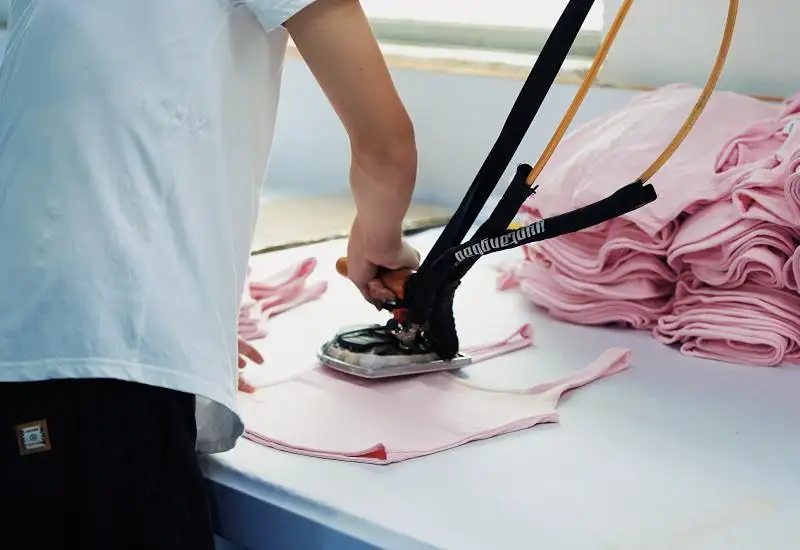
Follow one bulk fabric lot from receiving to cutting. Each roll should have a clear roll number, dye lot, color, and order reference. Ask to see the incoming inspection record, including how rolls with holes, stains, or knitting defects were handled. ASTM D5430 covers recognized methods for visual fabric inspection and grading.
For sportswear fabrics, check whether different dye lots are separated and what must pass before cutting, such as GSM, shrinkage, color, or stretch requirements.
The goal is to confirm that only identified and approved fabric reaches the cutting table. Once unidentified or unapproved fabric is cut, fixing the problem becomes far more expensive than holding the roll before cutting.
5. Check Cutting and Sewing Control
Don’t spend the audit counting sewing machines. A better way to check cutting and sewing control is to trace one live order from its approved pattern to the first sewn piece.
At the cutting table, ask to see the pattern version and how bundles are identified by style, size, and color. Compare them with the production sheet or approved tech pack. Then follow the same order to sewing and ask to see its approved first piece.
If the pattern or construction changes, ask how the new version reaches cutting and sewing. The old version should no longer be available for production.
6. See How Quality Problems Are Found and Fixed
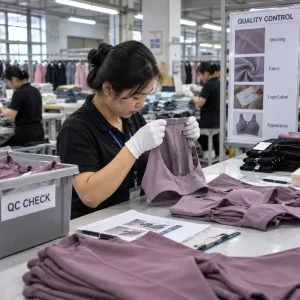
Having QC staff does not prove that quality problems are controlled. During a factory audit, follow one real defect from discovery to correction and recheck.
Check where inline inspections happen and how defects are recorded. Failed pieces should be separated, repaired when possible, and checked again before returning to good production. If the same defect repeats, the factory should trace it back to the operation causing it.
In our production work, a defect record is useful only if it shows what was corrected and whether the same problem appeared again.
Our sportswear quality control guide explains how these controls continue through bulk production.
7. Check Packing, Storage, and Shipment Control
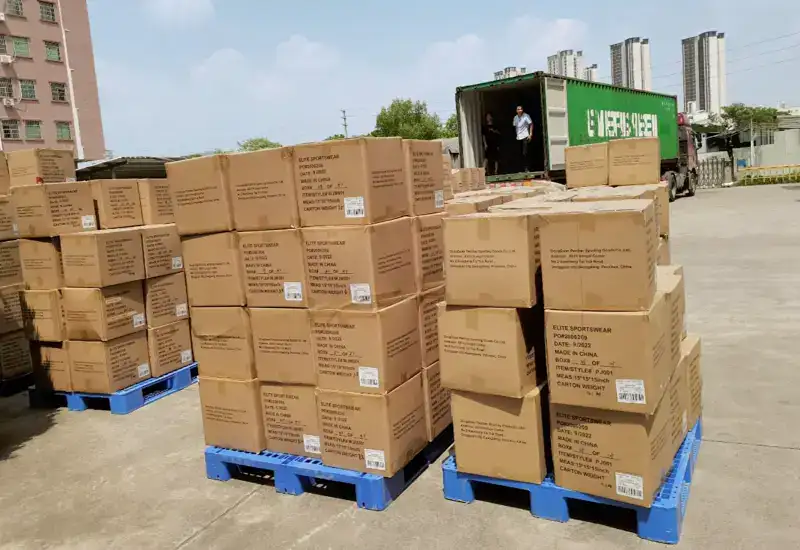
To check packing control, pick one finished order and compare its garments, polybags, carton marks, and quantities with the packing list. You should be able to trace the style, color, size, and carton number without opening every box. ISO 22742:2026 also covers package identification used in inventory and picking.
For apparel orders, we pay close attention to size ratios and SKU separation. A sewing order can be correct and still create problems if sizes or colors are mixed during packing.
Also check how finished cartons are separated in storage and whether needle or metal control is required before shipment.
Red Flags That Should Make You Reconsider the Supplier
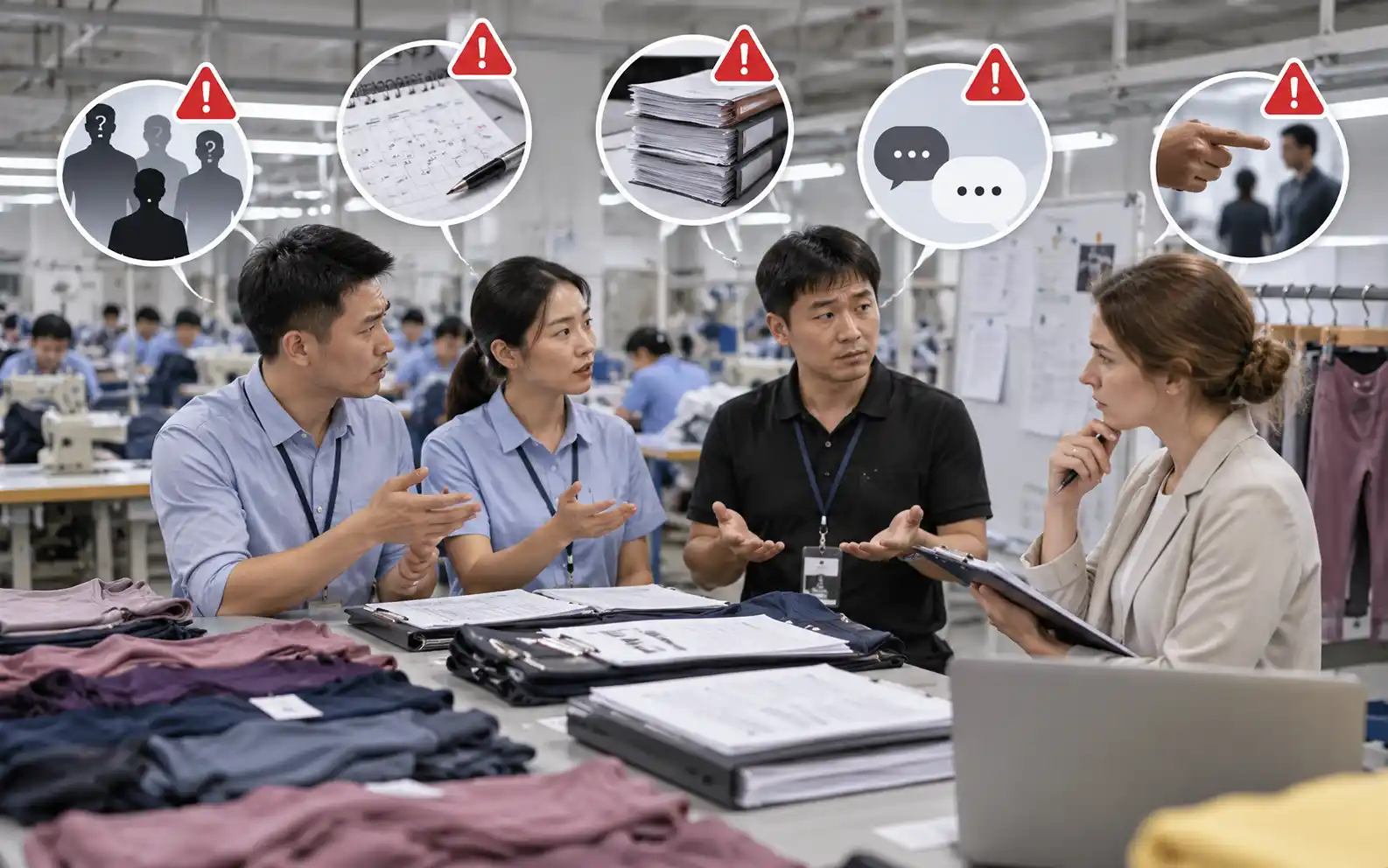
Some red flags appear before you even check the production records. Pay attention to how the supplier responds when you ask for proof.
- Answers change depending on who you ask. Sales, production, and QC teams give different details about the same order.
- Everything needs advance preparation. You cannot choose a current order or production area to check during the visit.
- Documents look perfect but cannot be linked to live production. Records exist, but staff cannot show which order, batch, or problem they belong to.
- Simple questions lead to vague answers. Dates, production locations, or corrective actions are answered with “usually” or “normally” instead of actual records.
- Problems are always blamed on someone else. Fabric mills, subcontractors, or workers take the blame, but the factory cannot show what it did to prevent the issue from happening again.
A factory does not need to look perfect. In fact, seeing a real problem and how the team handles it can tell you more than a spotless audit tour.