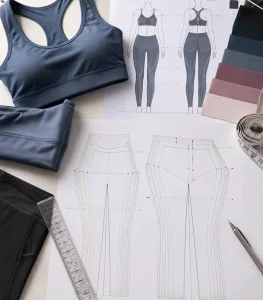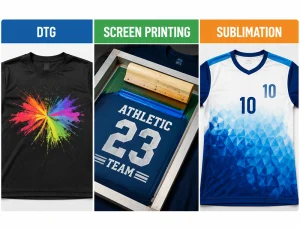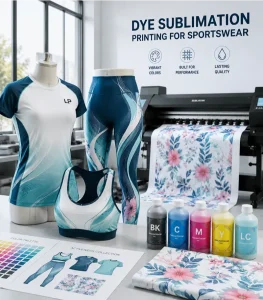

One of the most common questions startup activewear brands ask is: “How long will my activewear production take?”
The answer depends on several factors, including:
- product complexity
- fabric sourcing
- logo methods
- order quantity
- sampling revisions
- shipping method
Many first-time buyers underestimate how many steps are involved in custom sportswear manufacturing.
As a professional custom sportswear manufacturer, we help brands manage production timelines more efficiently by planning each stage carefully.
In this article, we’ll explain the complete activewear manufacturing timeline and what factors can speed up or delay production.
1. Tech Pack Preparation (2–7 Days)
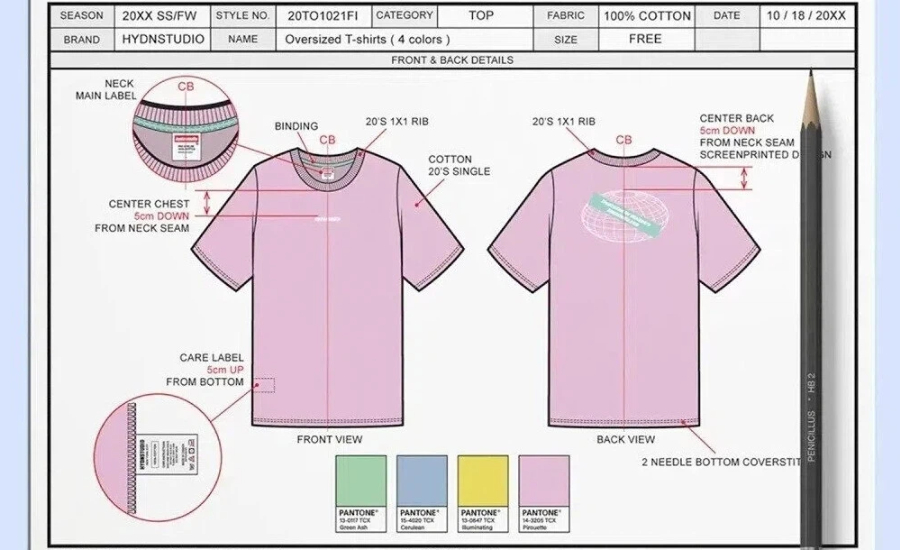
Before production begins, brands need to prepare product details.
This usually includes:
- design sketches
- size charts
- fabric requirements
- logo placement
- color references
- sewing details
A complete tech pack helps factories understand your product accurately. Without clear production information, factories may need additional revisions before moving forward.
If you are planning a project with an OEM sportswear manufacturer, A comprehensive Tech Pack can significantly reduce communication costs and time.
2. Fabric Sourcing and Material Confirmation (3–10 Days)
After reviewing the product details, the factory usually begins fabric sourcing. Production timing depends on whether the fabric is:
- in stock
- custom dyed
- recycled
- imported
- performance treated
Stock fabrics can be sourced quickly.
Custom fabrics may require additional dyeing and testing time. At this stage, factories may also confirm:
- elastic bands
- zipper quality
- woven labels
- hangtags
- packaging materials
Material confirmation is one of the most important stages in activewear production planning.
3. Sample Development (5–14 Days)
Sample production is the stage where the design becomes a physical product.
Factories usually create samples to test:
- fit
- stitching
- fabric performance
- logo application
- overall appearance
More complex garments often require additional adjustments.
For example:
- compression wear
- seamless activewear
- multi-panel leggings
- reflective printing products
may require more development time.
A reliable private label sportswear manufacturer should communicate clearly during the sampling process to avoid unnecessary delays.
4. Sample Revisions (3–10 Days)
Most activewear projects require at least one round of sample revisions. Common revision requests include:
- measurement adjustments
- fabric replacement
- logo repositioning
- color changes
- stitching improvements
The faster brands provide feedback, the faster production can move forward.
Delayed communication is one of the most common reasons production timelines become longer than expected.
5. Bulk Production Preparation (3–7 Days)
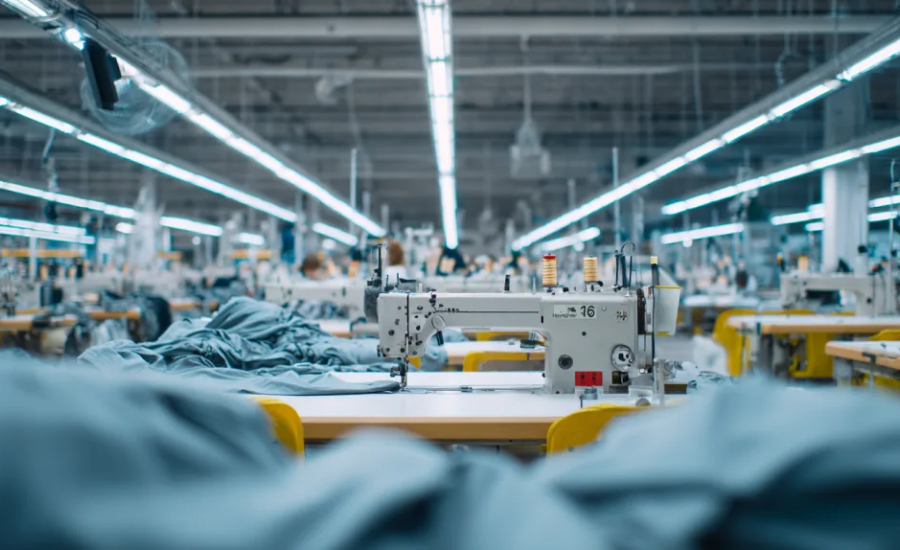
Once samples are approved, factories begin preparing for bulk production.
This stage may include:
- fabric purchasing
- cutting preparation
- production scheduling
- logo printing setup
- packaging preparation
Factories also arrange:
- production lines
- sewing teams
- quality control planning
Production preparation is especially important during busy manufacturing seasons.
6. Bulk Production (15–35 Days)
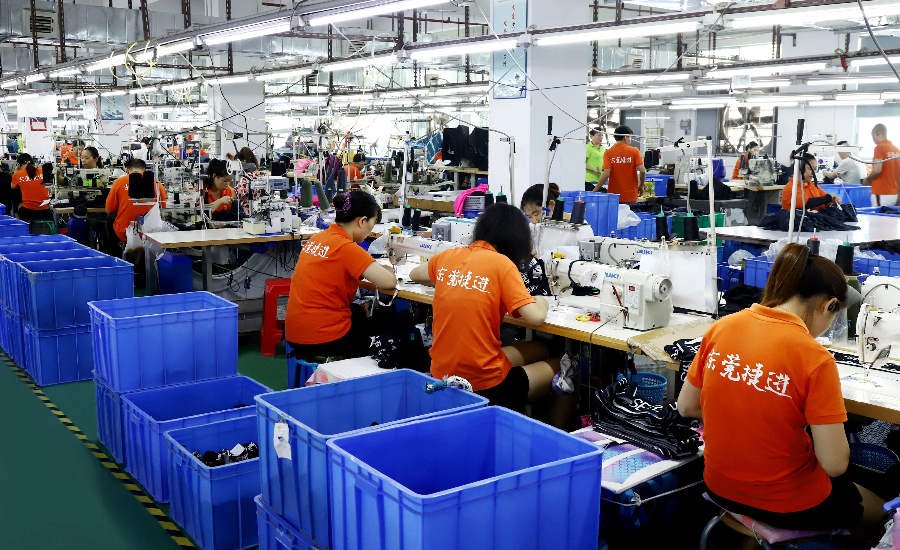
Bulk production is usually the longest stage in custom activewear manufacturing.
Production time depends on:
- order quantity
- garment complexity
- factory capacity
- fabric availability
- logo techniques
Simple gym wear orders may finish quickly.
More technical activewear products may require additional production time.
As an experienced custom clothing manufacturer , we always recommend brands build buffer time into their launch schedules.
Unexpected delays can happen in any manufacturing project.
7. Quality Control and Inspection (2–5 Days)
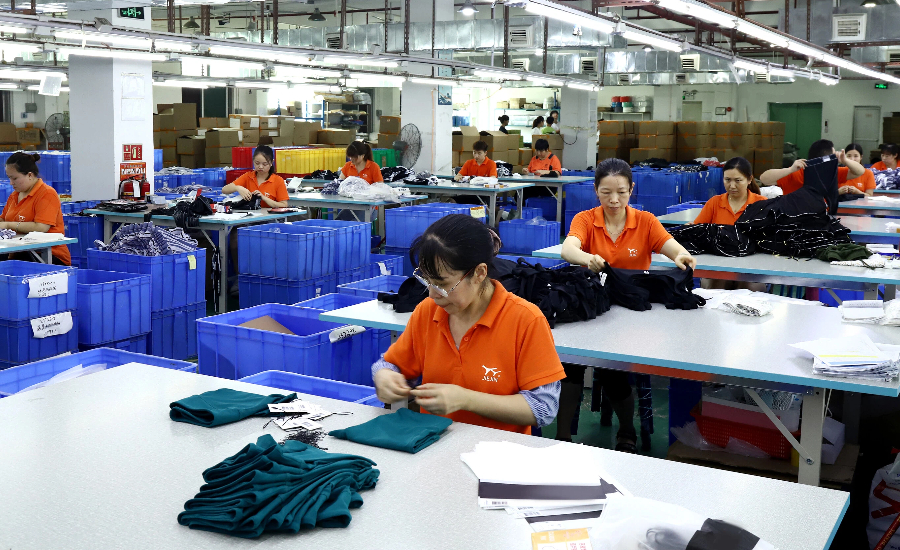
After production is completed, factories perform quality inspections.
This may include checking:
- stitching quality
- measurements
- logo placement
- fabric defects
- packaging accuracy
Professional quality control helps reduce the risk of defective shipments.
Some brands also arrange third-party inspections before shipping.
8. Shipping Time (5–40 Days)
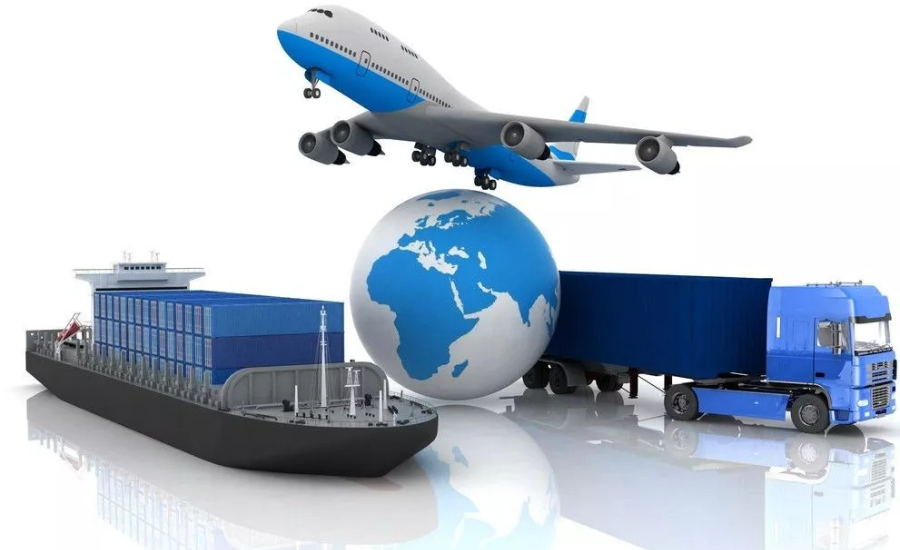
Shipping time depends heavily on transportation method.
Express Shipping
Usually takes:
- 5–10 days
Best for small urgent orders.
Air Freight
Usually takes:
- 7–15 days
Faster but more expensive.
Sea Freight
Usually takes:
- 20–40 days
Lower cost for large orders.
Shipping delays may also occur during:
- holidays
- customs clearance
- peak logistics seasons
9. Common Reasons Production Gets Delayed
Many brands underestimate how easy it is for production timelines to shift.
Common causes include:
- incomplete tech packs
- delayed approvals
- fabric shortages
- logo revision requests
- packaging changes
- peak season production queues
The earlier production planning starts, the smoother the process becomes.
10. How To Speed Up Activewear Production
Brands can reduce delays by:
Preparing Complete Tech Packs
Clear production details reduce communication time.
Using Stock Fabrics
Stock fabrics avoid dyeing delays.
Simplifying Designs
Fewer panels and simpler logos improve efficiency.
Approving Samples Quickly
Fast feedback keeps production moving.
Avoiding Peak Seasons
Production timelines are often longer before major holidays.
Final Thoughts
Custom activewear production usually takes longer than many startup brands expect.
From sampling to shipping, every stage requires coordination between design, sourcing, production, and logistics.
Understanding the manufacturing timeline helps brands plan product launches more realistically and avoid unnecessary delays.
As a professional custom sportswear manufacturer, we help brands streamline activewear production and improve communication throughout the manufacturing process.
If you are planning your next collection, our team can help you estimate production timelines based on your product requirements and order quantity.
FAQ
How long does custom activewear production usually take?
Most custom activewear projects take approximately:
- 30–60 days
depending on complexity and shipping method.
Why do samples take time?
Samples require:
- pattern development
- fabric sourcing
- testing
- revisions
Complex activewear products usually need more adjustments.
What causes production delays most often?
The most common delays come from:
- incomplete product information
- slow approvals
- fabric sourcing issues
- logo changes
Can production be accelerated?
Yes. Using stock fabrics, simpler designs, and faster approvals can help reduce production time significantly.