How Much Do Clothing Samples Usually Cost?
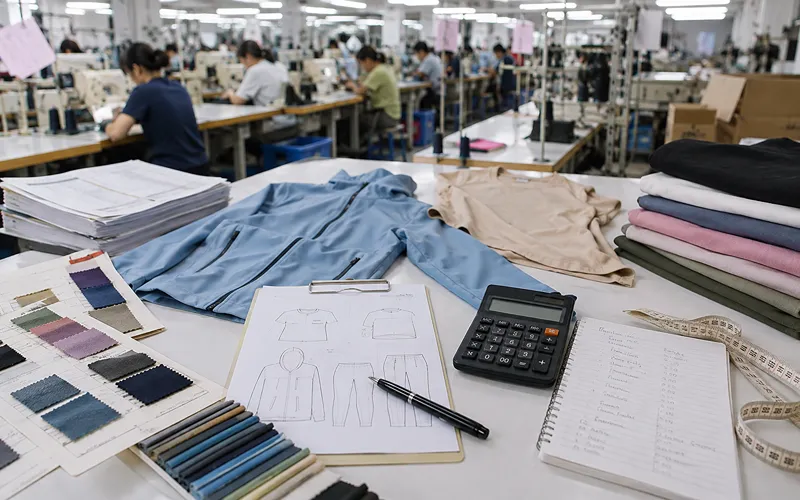
Sample prices are not one-size-fits-all. Clothing sample costs usually range from $20 to $500+ per style, depending on the garment type, materials, construction complexity, and number of revisions.
Basic samples may cost less when using existing patterns and available fabrics, while fully customized styles require more development work.
Clothing sample costs also change depending on the development stage. A first prototype, fitting sample, and final production sample all serve different purposes.
Sample Stage | Typical Cost |
Proto Sample | $20–$60 |
Fit Sample | $30–$100 |
Pre-production (PP) Sample | $50–$150 |
Sales Sample | $40–$120 |
Proto samples: $20 to $60
A proto sample checks the initial pattern, construction, and overall design direction before detailed fitting adjustments. A simple t-shirt sits at the low end. A jacket with zippers and multiple panels costs more.
Fit samples: $30 to $100
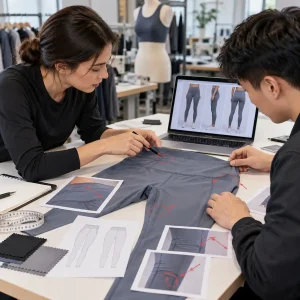
This sample checks how the garment fits on a body. Most styles need two or three fit rounds before the fit is right. Each round is billed as its own sample.
Pre-production (PP) samples: $50 to $150
This is the final sample before bulk cutting starts. It uses your actual fabric and trims, not substitutes. Please check this one closely. It’s the last stop before 1,000 units get made.
Sales samples: $40 to $120
These are made for photoshoots, trade shows, or buyer meetings. They need to look perfect, so they take more finishing time. That’s why they cost more than a basic fit sample.
What Is Included in a Clothing Sample Cost
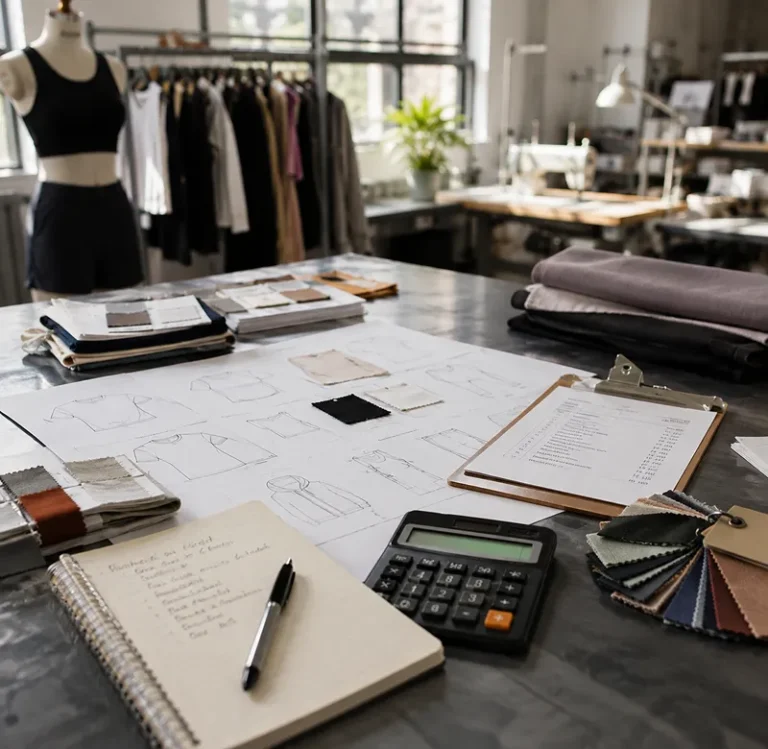
A sample quote isn’t just one number. It’s built from several separate costs stacked together. The main cost components are pattern work, materials, sewing labor, finishing, and additional development services.
Design and pattern work
Before we cut any fabric, someone has to build the pattern. This includes pattern creation, pattern adjustment, and measurement updates to your design. We charge this as its own line item, separate from fabric and sewing.
Fabric and sewing labor
This is the core of the sample. Fabric cost depends on how much yardage your style needs. Sewing labor depends on how many operations the garment requires. A simple tank top might need five sewing steps. A structured jacket can need thirty or more.
Special finishing processes
Some styles need extra treatments after sewing. Common ones we handle:
- Digital or screen printing
- Heat transfer film
- Embossing or glazing
- Flocking
Each of these is priced separately from the base sample. A plain t-shirt sample and a printed t-shirt sample are not the same price, even if the fabric and pattern are identical.
Costs billed outside the base quote
A few costs sit outside the standard sample fee entirely. These get billed separately, on top of the quote:
- Plate-making fees (for printing)
- Film costs
- Dyeing charges
- Mold costs (for molded or bonded pieces)
We always flag these upfront. A client shouldn’t get a “final” invoice that’s 30% higher than the quote because nobody mentioned the mold fee.
Some finishes also affect safety rules, not just price. Flocking or coating can change how a fabric performs in flammability tests. The U.S. Consumer Product Safety Commission sets flammability standards for US apparel. Certain finishes can shift how a fabric gets classified under those rules. That’s why we treat extra finishes as a compliance question, not just a cost question.
If you’re unsure whether your finish choice affects compliance, ask us before we quote it. We’ll flag it early, so it never becomes a problem after your samples are already made.
Factors That Affect Clothing Sample Prices
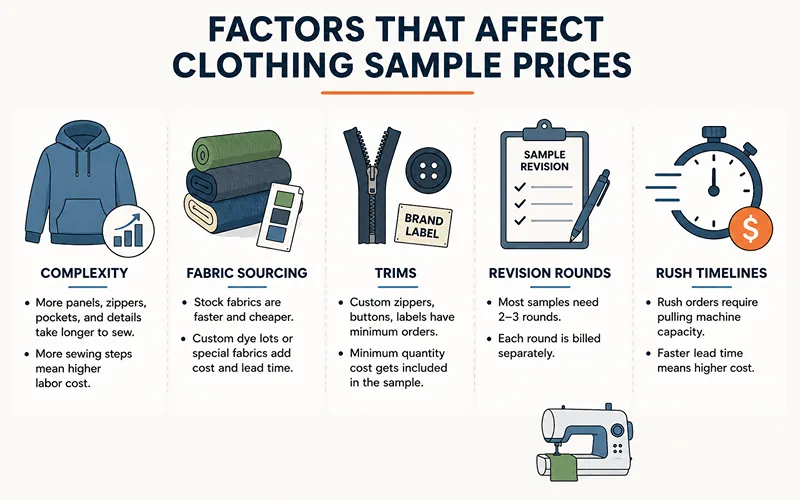
Two sample requests can look almost identical on paper. But the quotes can land far apart. We see this every week in our own quoting process.
Complexity is usually the first thing that moves the price. A basic pullover hoodie sews up fast. A jacket with panels, zippers, and pockets takes much longer at the machine. More sewing steps means more labor cost, plain and simple.
Fabric sourcing plays a big role too. If we already stock your fabric, the sample moves quickly and cheaply. If you want a custom dye lot or a fabric from a specific mill, that adds both cost and lead time.
Trims can quietly become the most expensive part of a sample. Custom zippers, buttons, or branded labels almost always come with a minimum order. We might need to order 500 units of a zipper just to get one for your sample. That minimum cost gets built into your quote, whether you notice it or not.
Revision rounds add up fast. Very few samples nail the fit or color on the first try. A second or third round is normal, and each round is billed separately. This is why we always ask clients upfront how many rounds they’ve planned for.
Rush timelines cost more too, and not as a penalty. A rush order means pulling machine operators off other jobs to prioritize yours. That’s a real scheduling cost on our floor, not just a fee we tack on.
One factor a lot of newer brands miss: international shipping and duties. If your samples are made overseas, customs fees can add a real amount to your total cost. The U.S. Customs and Border Protection agency publishes guidance on how imported goods, including samples, get handled at the US border. We flag this to every first-time overseas client before they place an order.
Why Are Clothing Samples More Expensive Than Bulk Production
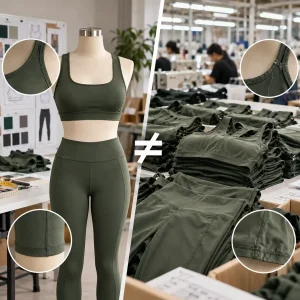
Here’s what actually drives that gap, based on how our floor works.
Labor setup is different
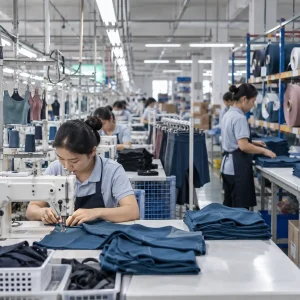
Bulk orders run on an assembly line. One worker sews collars all day. Another only does hems. Everyone repeats the same step, so they get fast.
A sample skips that. One or two workers build the whole garment from start to finish. That’s slower, so it costs more per piece.
Machine setup doesn’t shrink
Before a bulk run, we set up machines once and cut hundreds of pieces from that setup. For a sample, we go through the same setup for just one piece. The setup time stays the same either way.
Fabric costs more per yard
Mills give better rates on large rolls. A sample might only need a yard or two. That means we’re often paying near-retail fabric prices to cut one piece.
We’ve had clients assume the sample price reflects their final unit cost. It almost never does. We flag this early so people don’t budget wrong for their bulk order.
No room for error
In bulk, one bad unit barely matters. In a sample, that same mistake means redoing the entire piece, since it’s usually the only one being made.
New clients often push back on this at first — smaller order, higher price per piece, seems backwards. Once we walk through machine setup and fabric minimums, it usually clicks.
How Can Brands Reduce Clothing Sample Costs
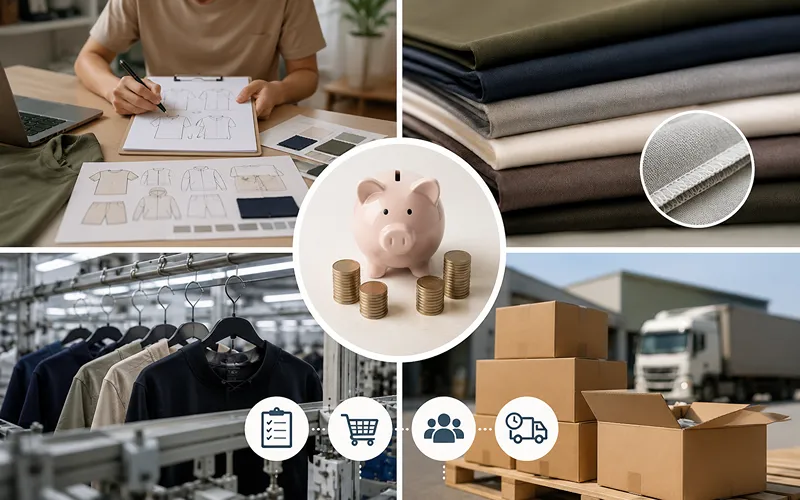
We work with startup brands on this constantly. Here’s what actually cuts sample costs on our end.
- Send a complete tech pack. A missing measurement or unclear callout usually means a revision round later. We’ve redone samples twice over a missing seam allowance. A clear tech pack often saves a whole round.
- Use stock fabric and trims. Custom dye lots and specialty trims come with minimum orders, and that cost gets folded into your sample. Stock options keep the first round fast and cheap.
- Batch multiple styles together. Sending three styles at once lets us share cutting and shipping across them. This approach is especially useful for brands preparing a wholesale activewear collection, where multiple styles can share similar materials and production resources. Splitting them into separate orders means paying setup costs three times over.
- Ask about a factory’s specialty. We’re fast and competitive on activewear and yoga wear, since that’s most of what runs through our floor. A style outside a factory’s usual range often costs more, just from being less familiar work.
- Approve a digital mockup first. We can send a 3D render or flat sketch before cutting fabric. Catching an issue on screen is free. Catching it after cutting means paying for another sample.
- Only rush when the deadline is fixed. Rush fees exist because we pull workers off other orders. If there’s any flexibility, standard turnaround saves real money.