
Introduction: A New Horizon for Plus Size Sportswear
In recent years, plus size sportswear has shifted from being a niche afterthought to a core growth category in the activewear industry. According to Statista 2024–2028 Global Activewear Market Reports, the plus size segment is projected to exceed US$32 billion by 2028, growing at approximately 6.8% CAGR. For brands, private labels, and sportswear manufacturers, this is a clarion call: the intersection of fabric innovation, inclusive design, and sustainability is not just an opportunity—it’s becoming a necessity.
Fabric innovation is redefining what plus size activewear can do. No longer is it enough for larger sizes simply to stretch existing patterns; consumers demand high performance—comfort, fit, moisture management, durability—across every size. As we move through 2025, those brands and custom sportswear manufacturers that invest in advanced materials and intelligent design are well-positioned to lead. In this article, we dig deep into how fabric innovation is transforming plus size sportswear, what it means for brands and private labels, and why working with a capable plus size activewear supplier or factory can be a game-changer.
1. Market Evolution: From Size Inclusion to Performance Expectation
1.1 Growth of the Plus Size Activewear Market
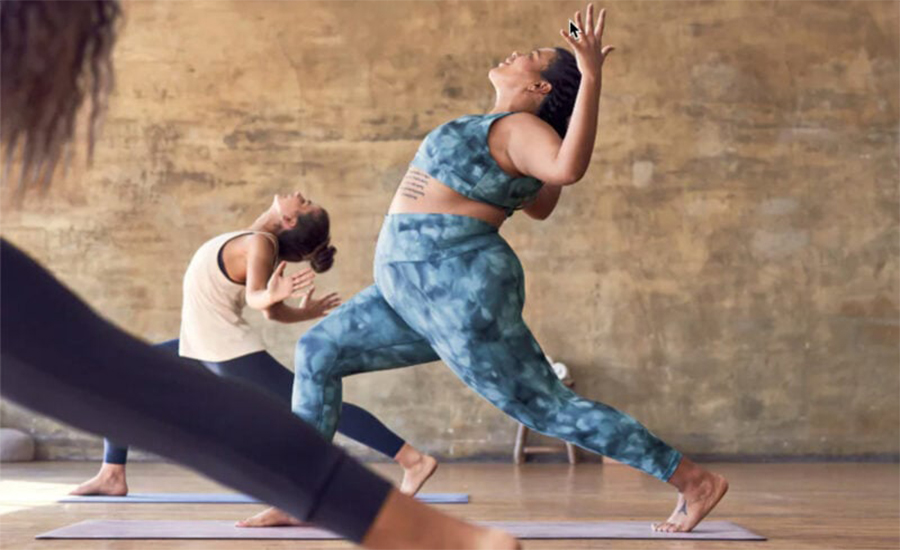
- Allied Market Research (2024) reveals that over 40% of female consumers globally fall into the plus size category, yet only a fraction of that demand has been met with well-engineered offerings.
- The rise of inclusive fashion has spurred sales on platforms like ASOS Curve, Torrid, Fabletics Curve, which report double-digit annual growth across their plus size active collections.
1.2 Shifting Consumer Priorities
Consumers today no longer want simply “bigger sizes”; they want comfort, performance, and confidence. Surveys show that among plus size women:
Over 70% rate “fit and comfort” as more important than brand recognition.
Many express frustration with poor fabric stretch or sagging, moisture retention, or the lack of design detail.
1.3 Role of E-Commerce & Digital Discovery
Social media hashtags such as #CurvyFitness, #BodyPositivity, and #EveryBodyActive are increasing engagement by over 80% in 2025 (Social Blade Analytics).
Digital shopping platforms enable easier filtering by size, fabric type, and performance features, making discovery of quality plus size activewear simpler.
For B2B, this means that when a custom sportswear manufacturer can offer technologically advanced plus size activewear sets with good performance, there’s already demand waiting—brands can capitalize quickly.
2. Fabric Innovation: The Engine Driving Plus Size Sportswear Forward
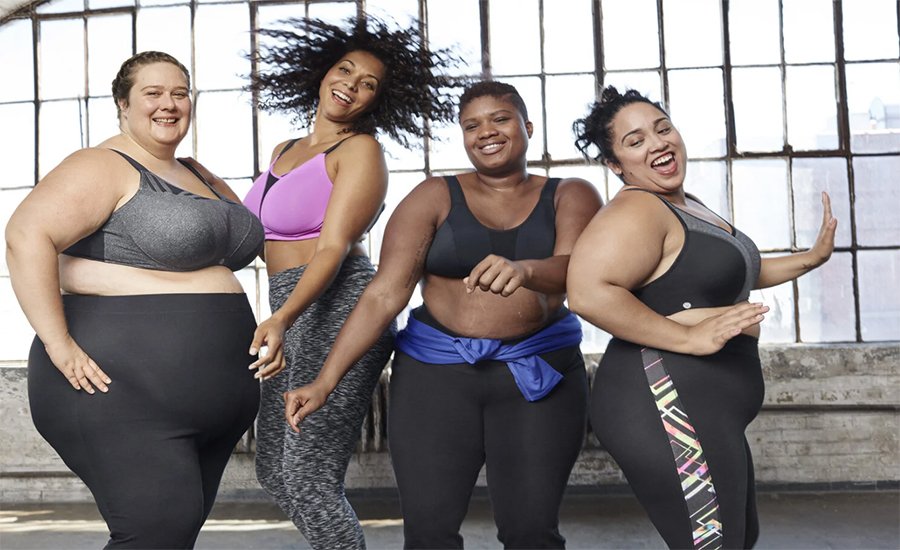
Fabric innovation spans multiple axes—stretch, breathability, moisture control, and sustainable materials. Below are key innovations that are shifting expectations for plus size sportswear.
2.1 Stretch, Recovery, and Fit Engineering
Modern stretch fabrics like LYCRA® Adaptiv, Creora® Fit2, and new poly-spandex blends are engineered to maintain shape and elasticity even in large volume cuts.
Example: A brand testing large-scale patterns found that materials with ≥20% elastane and high recovery can reduce sagging at knees and elbows by ~30%.
2.2 Seamless Construction & Breathability
Seamless knitting and knitted body-mapped regions minimise seams and reduce chafing—critical for plus size clothing activewear.
Laser perforation and mesh-powered ventilation zones improve wicking and keep skin comfortable during longer workouts.
2.3 Moisture Management & Temperature Control
Fabrics like Polartec® Delta and Coolmax® EcoMade help regulate body temperature by wicking sweat faster and allowing air flow.
In a consumer test by The Lycra Company (2024), 90% of plus size women reported that “breathability and sweat control” significantly impacted their comfort during fitness activity.
2.4 Recycled, Regenerated, and Eco-Friendly Materials
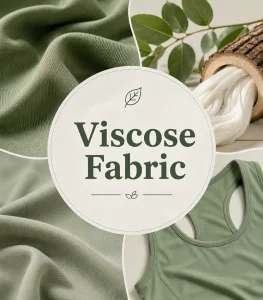
Recycled polyester (RPET) and regenerated nylon (e.g. Econyl®) are now central in many sustainable plus size sportswear collections.
Textile Exchange 2024 Materials Report shows a 15% year-over-year increase in the global production share of recycled fibers.
3. Design Thinking: Tailoring to Size with Performance Inclusion
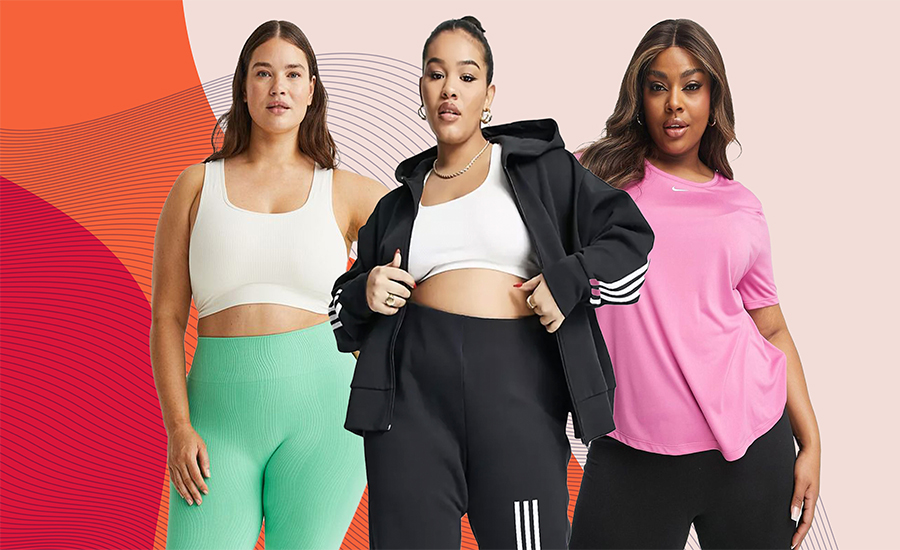
To fully realize the potential of fabric innovation, design must evolve. Here are key design shifts and how they work.
3.1 Pattern & Cut: Precision for Curves
3D body scans and data collection help determine where stress points occur for larger sizes (underarm, thighs, waist).
Brands like Nike Plus have invested in expanded fit labs to test real bodies, improving silhouette, sleeve length, torso proportion.
3.2 Adaptive Compression & Support Zones
Activewear that includes targeted zones—support under bust, reinforced panels at knees/glutes—helps prevent discomfort and improves performance.
Case: Adidas Formotion line adding compression panels in problem areas for plus size yoga sets.
3.3 Design Details: Features that Matter
- Wider waistbands with double-layer stretch help prevent roll-down.
- Zippers and pockets placed for functionality and comfort.
- Flatlocks or bind seams that reduce bulk and irritation.
4. Sustainability & Ethics: Green Innovations in Plus Size Activewear
Sustainability is no longer optional—it is integral to market trust, brand reputation, and increasingly, regulation.
4.1 Material Certifications & Transparency
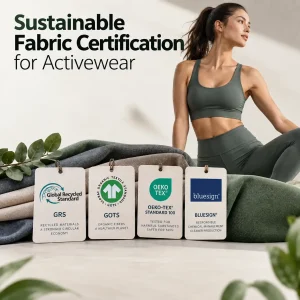
Certifications such as GRS (Global Recycled Standard), OEKO-TEX®, and GOTS are becoming expected in high-quality plus size activewear lines.
Brands that can document and publicize their sustainability footprint gain consumer trust.
4.2 Circular Fashion, Take-Back Programs, and Lifecycle Considerations
Some brands offer take-back programs or garment recycling schemes especially aimed at plus size lines.
Slow fashion movement: fewer but higher quality items, built to last even with larger-scale cuts.
4.3 Eco-Fabric Applied at Scale
Recycled materials are being used not only for leggings or tops, but full plus size activewear sets—matching jackets, breathable layers, and outerwear. Brands like Girlfriend Collective and Universal Standard are pushing this.
5. B2B Insight: Why Smart Brands and Factories Should Shift Now
Here’s what brands considering manufacturing or sourcing plus size sportswear need to know.
5.1 Business Case: ROI & Scalability
Given rising demand, plus a willingness among consumers to pay 10–20% premium for performance + sustainable + inclusive designs, profit margins are improving.
Factories that can manage larger pattern blocks, multiple size grading, and maintain consistent performance fabrics will reduce returns and increase customer loyalty.
5.2 Supplier Capabilities That Matter
- Fabric sourcing: having access to multiple suppliers of recycled fabric and stretch yarns.
- Tech stack: seamless knitting machines, laser cutting, compression fabric knitting, moisture-wicking finishing.
- Quality control: labs that test shrinkage, color fastness, stretch recovery etc.
5.3 Partnership and Communication
- B2B clients value transparency: lead times, fabric source, sustainability credentials.
- that offer small MOQ or pilot batch options allow brands to test product-market fit with less risk.
6. Case Studies: Brands Leading With Innovation
- Nike Plus: Expanded fit lab efforts: uses real-body testers across multiple sizes; introduced adaptive stretch fabrics and reworked designs.
- Adidas Formotion Curve: Body mapping, compression zones, and environmentally sustainable materials in full activewear sets.
- Girlfriend Collective: Full-size inclusive yoga and activewear sets made from RPET, transparent supply chain, strong community marketing.
- Universal Standard: Broad size range, performance AND lifestyle activewear pieces; eco-conscious material selection.
7. Challenges and Factory Collaboration Solutions
Common Challenges
- Fabric sourcing and cost premium – performance stretch + recycled materials cost more.
- Pattern grading complexity – maintaining consistency across many sizes.
- Durability issues – larger garments face different wear patterns.
- Market perception and fit expectations – need for accurate size charts, models, user reviews.
How to Overcome
- Strategic sourcing: partnerships with fabric mills that specialize in performance recycled stretch.
- Pilot batches: test runs to collect feedback on fit and performance.
- QC processes tailored to plus size: stress testing, wear testing, movement testing.
Marketing with real representation: use plus size models, authentic images, transparent material claims.
8. The Future: Smart Tech, Digitization & Adaptive Fit
What’s coming next that B2B clients should watch?
- Smart textiles which can sense moisture, heat, and adjust accordingly.
- 3D scanning & AI pattern generation for custom fit, lowering returns and increasing satisfaction.
- On-demand production to avoid overstock, reduce waste.
- Digital platforms for brands to share data and receive quicker feedback from customers.
Conclusion: Innovation That Fits Every Body
Fabric innovation has turned plus size sportswear into one of the most exciting frontiers of modern activewear. Today, consumers want performance that fits, comfort that lasts, and sustainability that matters.
For B2B buyers, this evolution is your opportunity.
If you’re a brand, private label, or retailer seeking to expand into inclusive activewear, partner with a manufacturer that offers:
✅ Advanced fabrics — recycled, breathable, high-stretch
✅ Inclusive pattern design & seamless engineering
✅ Global certifications (GRS, OEKO-TEX®, ISO9001)
✅ Flexible MOQ and quick sampling for new collections
At Luckpanther Sportswear Factory, we specialize in designing, developing, and producing full-range plus size activewear sets, ensuring premium quality, comfort, and sustainability.
Contact our team today for:
- Free fabric consultation & sampling
- OEM/ODM customization support
- Trend-based design proposals
- Global wholesale and private label solutions
Let’s make activewear that fits every body — built on innovation, confidence, and collaboration.