List of 10 Italian Sportswear Manufacturer
| Manufacturer | Production Focus | Custom Service | Key Strength | Best Fit |
|---|---|---|---|---|
| DVR Sports | Cycling wear | OEM / ODM / Private Label | Brand-led product development | New and growing cycling brands |
| Sanyleg | Compression & seamless sportswear | OEM / Private Label | Graduated compression and seamless knitting | Compression and seamless collections |
| Macron | Teamwear & multi-sport apparel | Custom teamwear | Large teamwear product system | Clubs and professional teams |
| Erreà Sport | Technical teamwear | Custom production | Multi-sport manufacturing | Brands and teams covering several sports |
| Santini Cycling Wear | Performance cycling wear | Custom cycling | Race-focused garment development | Premium and performance cycling projects |
| Rosti | Cycling & technical sportswear | Private Label / Custom | Development beyond standard team kits | Brands needing deeper private-label development |
| Nalini (MOA Sport) | Cycling & race apparel | Custom production | Race-kit development | Competition-focused cycling collections |
| Alé Cycling (APG) | Cycling apparel | Custom production | Women’s cycling development | Brands building women-focused cycling ranges |
| Giessegi | Cycling, triathlon & ski wear | Custom production | Sport-specific garment development | Buyers with clear performance requirements |
| De Marchi | Premium cycling apparel | Custom production | Detailed, small-scale craftsmanship | Premium projects where detail matters more than volume |
1. DVR Sports: The Private-Label Cycling Specialist
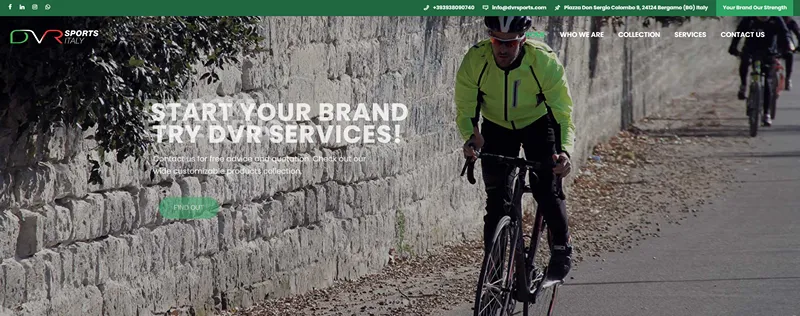
DVR Sports built its name in the private-label cycling world, and I get why. This Italian sportswear manufacturer doesn’t design collections. Their “Your Brand, Our Strength” model means you bring the tech pack, and they handle the build: patterns, sampling, bulk production, all of it.
DVR’s engineering and brand DNA are Italian, but their factories sit in China. That’s not a red flag by itself — plenty of solid Italian sportswear suppliers run hybrid models. But it does mean you need to confirm Country of Origin per SKU before you sign a contract. Under EU Textile Regulation 1007/2011, origin claims depend on where production happens, not where the brand is headquartered. Get it wrong, and it hits your labeling, your story, and your landed cost.
DVR fits buyers who already have a locked tech pack and just need reliable, scalable execution. It’s not the right pick if you’re chasing an “Italian-made” label for premium retail positioning — ask for documentation first.
2. Sanyleg: The Compression Sportswear Specialist
Export rate: 90% | Certifications: ISO 9001, ISO 13485
Sanyleg built its reputation in medical compression, then brought that same science straight into sportswear. Their Sport Line applies graduated compression to athletic socks and sleeves designed to boost performance, cut fatigue, and speed up recovery.
I checked their Italian Trade Agency profile, and the numbers back up the claim: 170 knitting machines, 20,000 pairs a day, with 90% shipped internationally. For an Italian sportswear manufacturer working this niche, that’s real production muscle behind every claim. As sportswear trends 2027 focus more on functional apparel, Sanyleg’s compression expertise helps brands develop better-performing activewear.
What sets them apart is the seamless private-label work. Sanyleg develops full OEM sportswear collections — compression socks, oem shorts, and seamless technical garments — built entirely in-house, from yarn selection to packing.
3. Macron: The Professional Teamwear Powerhouse
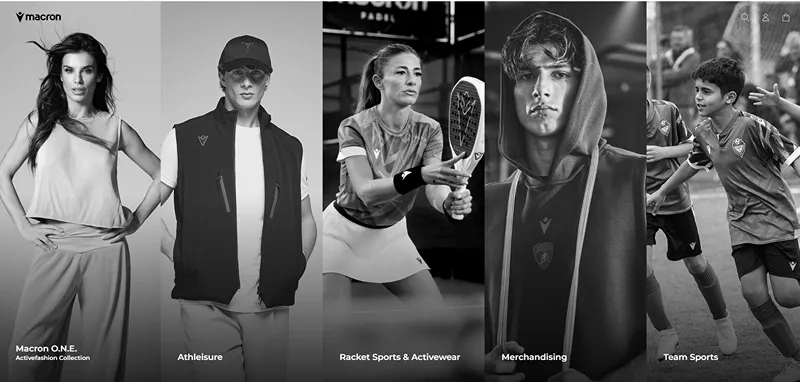
Macron’s strength comes from managing teamwear complexity rather than following short-term sportswear trends. During our evaluation, we found that the company is better positioned for buyers who need structured team collections with consistent quality across large orders.
When reviewing this Italian sportswear manufacturer, we focused on the areas that usually create problems during teamwear production:
- Customization control: Large team orders require stable printing, embroidery, and color matching across hundreds of pieces.
- Production consistency: Seasonal reorders depend on maintaining the same fit, fabric performance, and appearance.
- Order complexity management: Multiple sizes and player-specific requirements require stronger production coordination.
However, teamwear production has its own challenges. Buyers should confirm sample approval procedures, production timelines, and reorder standards before placing bulk orders. A small difference in fabric batches or printing methods can affect the consistency of future collections.
4. Erreà Sport: The Multi-Sport Teamwear Partner
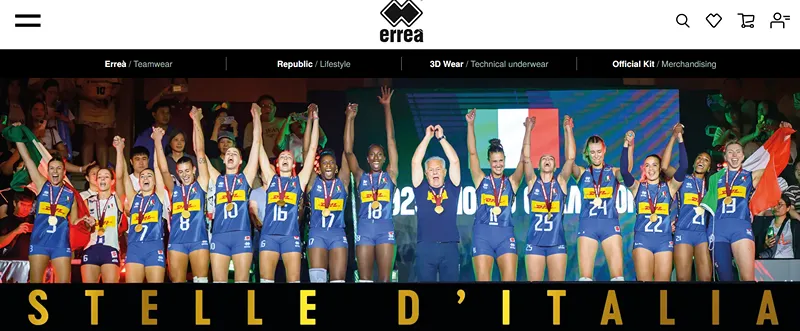
Erreà is a supplier we would mainly evaluate for structured teamwear programs, where order consistency matters more than fast-changing designs.
A few factors make Erreà worth considering:
- Over 30 years in technical sportswear production: Erreà has built experience around football, volleyball, basketball, and rugby apparel rather than only lifestyle activewear.
- Wide market coverage: The company reports operations in more than 80 countries and has supported 500+ sponsorship projects across different sports disciplines, showing experience with complex teamwear programs.
- Quality control focus: Erreà became the first European teamwear company to obtain the OEKO-TEX Standard certification in 2007, which can be a useful reference for buyers concerned about textile safety.
Our Verdict: Erreà is a strong candidate for brands looking for an Italian Sportswear Manufacturer with experience in customized teamwear. We would consider it a better fit for football, rugby, and club-based collections than brands focused on yoga wear or fashion-driven leggings.
5. Santini Cycling Wear: The Race-Level Cycling Apparel Expert
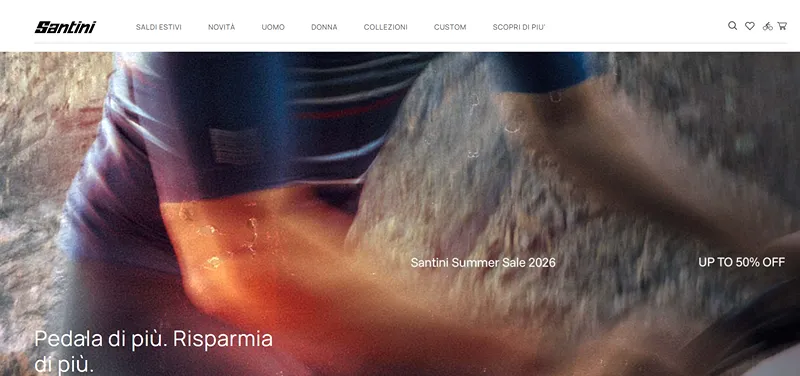
Santini stands out because its manufacturing strength is built around performance cycling apparel, not general sportswear production.
Technical product development
For cycling brands, details such as chamois construction, aerodynamic fitting, and fabric positioning directly affect product performance. Santini has developed technologies around cycling-specific components, including advanced pad solutions and performance fabrics. We also pay attention to technologies like seamless bonding, which can improve comfort and reduce bulk.
Production control
Santini reports producing more than 7,000 items per day and exporting around 80% of its production outside Italy, which indicates experience handling international demand.
However, you should consider product positioning carefully. A highly specialized Italian Sportswear Manufacturer like Santini may be an excellent choice for cycling-focused collections but may not provide the same flexibility as general activewear suppliers for yoga wear, gym leggings, or fashion-led sportswear.
6. Rosti: Private-Label Production Beyond Team Customization
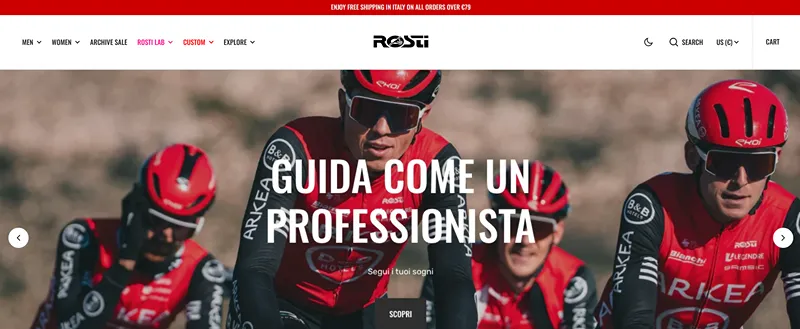
Rosti makes more sense when your collection depends on cycling-specific construction, not just custom colors and logos. Its private-label development covers products such as jerseys, bib shorts, skinsuits, and technical outer layers.
The key advantage is product focus. A buyer developing bib shorts can discuss the chamois, panel layout, leg grip, and compression with a supplier already working with these constructions. This reduces the need to teach a general sportswear factory how a race-fit cycling garment should work.
The trade-off is specialization. If your range mixes cycling wear with leggings, sports bras, or general gym wear, Rosti may not be the most efficient one-supplier option.
7. Nalini (MOA Sport): The Race Kit Development Expert
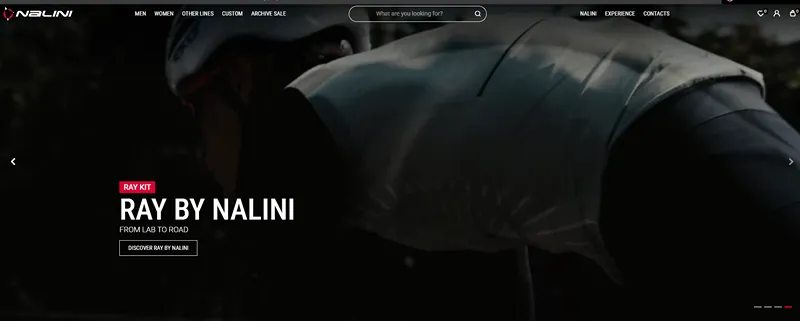
Beautiful graphics win attention, but poor fit loses riders. Serious cycling brands judge a supplier by how well the kit performs after hours on the road. Nalini is worth considering for teams that need race-ready apparel with strong customization control.
During our product review, we focused on their cycling jersey construction and team kit development. Their Italian production experience helps them handle detailed requirements such as sponsor graphics, race colors, and coordinated collections. Nalini has been producing cycling apparel since 1970 and has supplied professional cycling teams over the years.
Custom cycling projects create hidden challenges. Always check graphic alignment across panels, color matching between production batches, and the consistency of repeat orders. You may also compare suppliers across different categories, including cycling kits and sports shorts manufacturers. A jersey that looks perfect in the first sample can still create problems when production quantities increase.
8. Alé Cycling (APG): The Women’s Cycling Collection Expert
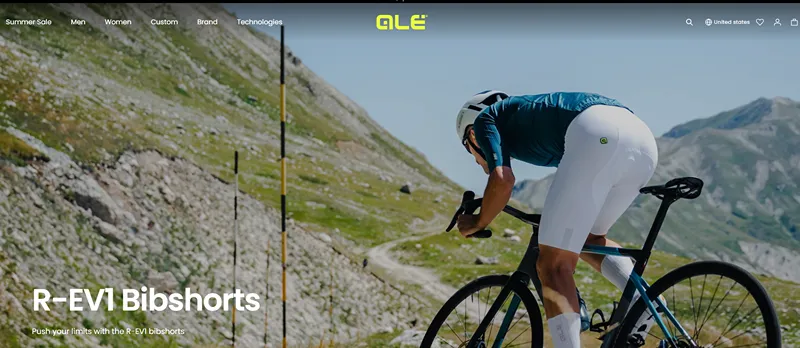
Bright colors attract attention, but the wrong fit quickly exposes a cycling brand. For women’s cycling apparel, we look beyond appearance and focus on how the garment supports different body shapes during long rides.
We paid attention to Alé’s women-specific collections. The key difference is not simply offering smaller sizes. Women’s cycling apparel requires different pattern adjustments, waist shaping, and panel placement to improve comfort on the bike.
Compared with general activewear suppliers, including many Chinese sportswear manufacturers that focus on broader sports categories, Alé’s approach is more concentrated on cycling-specific fit and performance requirements.
A jersey may look correct on a mannequin but create pressure points when riders stay in a forward position for hours. We would pay close attention to:
- Waist and hip shaping: Small pattern differences can greatly affect riding comfort.
- Sleeve construction: Race-fit sleeves need to stay in place without restricting movement.
- Collection balance: Premium cycling brands need technical products that also create a recognizable visual identity.
9. Giessegi: Sportswear Built Around the Activity
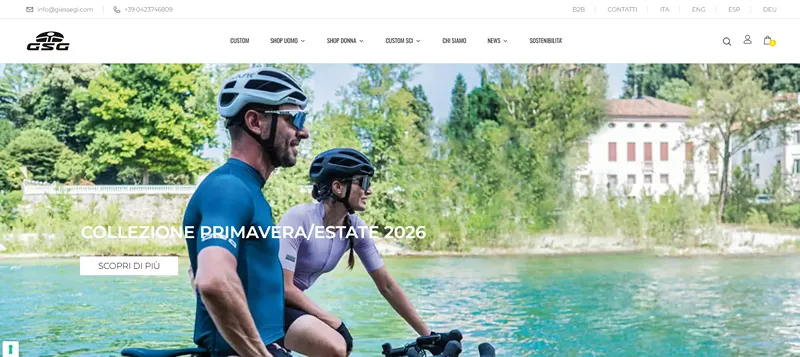
Giessegi is useful for buyers developing sportswear for a specific activity rather than one fit for several uses. Its range covers cycling, triathlon, and ski wear, where fabric weight, ventilation, compression, and coverage need to change with the sport.
In our development work, we see problems when buyers start with one garment and only change the fabric. A cycling jersey built for hot weather, for example, needs more than a lighter material. Panel placement, airflow zones, sleeve fit, and moisture release all affect how it performs during long rides. Cold-weather pieces need a different balance between stretch, insulation, and wind protection.
Start with the use condition before discussing fabrics. Tell the supplier the sport, temperature range, intensity, and expected wear time. These details give the factory a much clearer target for fabric and construction decisions.
10. De Marchi: Heritage Craftsmanship, Not Bulk Speed
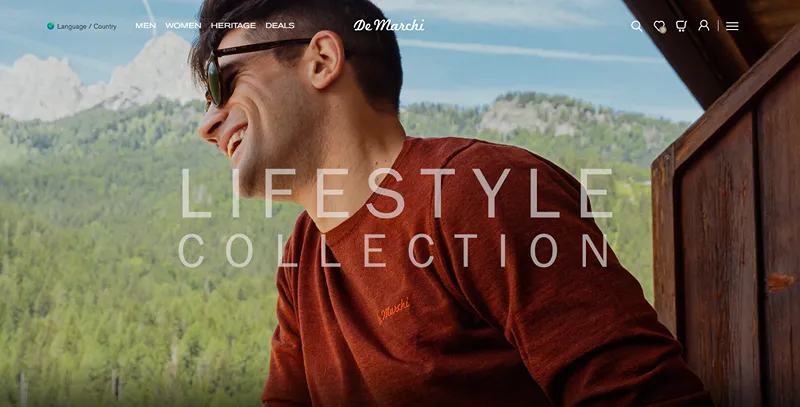
I sourced a small batch from De Marchi for a retro-styled club order last season, and the difference showed up fast. Their soft-gel chamois padding felt noticeably denser than the standard foam inserts we usually get from bigger factories.
Here’s the honest trade-off: De Marchi isn’t built for speed. Nearly 80 years of unbroken, small-batch production in one facility. If your brand needs fast turnaround on large seasonal drops, this isn’t your factory. But if you’re positioning a premium or heritage-inspired line, the craftsmanship justifies a higher price point.
One thing I’d flag: confirm fabric specs before ordering. Their classic Merino wool lines run heavier and offer less stretch than modern race fabrics. It’s great for comfort-focused riders, not ideal for competitive fit programs. And if you’re sourcing performance fabric for other categories too, check out our guide to best yoga clothes Australia for a different take on stretch and breathability priorities.
Beyond “Made in Italy”: What Sportswear Buyers Should Check
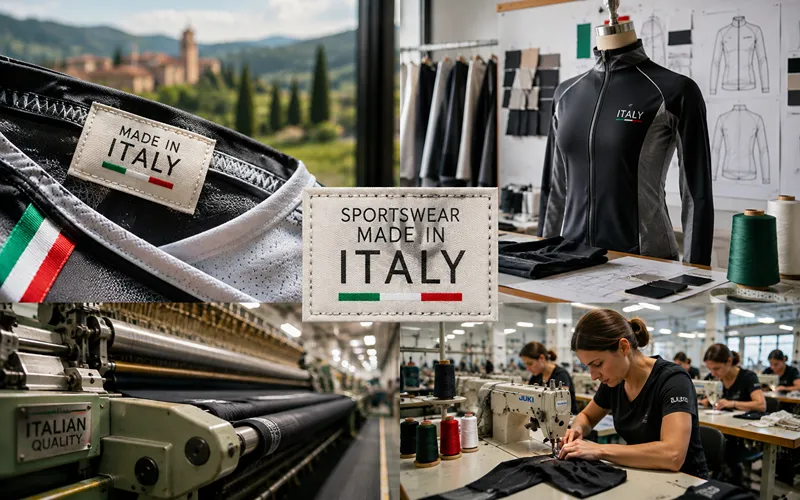
“Made in Italy” sounds impressive. But it doesn’t tell you everything. The label alone never told us if quality was good. The factory behind it does. Here’s what we tell every buyer to check, point by point.
Fabric weight and stretch %
Don’t just ask “is it good fabric.” Ask for the GSM (grams per square meter) and the stretch percentage. A yoga legging usually needs 200–260 GSM with 4-way stretch above 30%. If a supplier can’t give you a number, they’re guessing too.
Seam type
Flatlock seams sit flat against the skin. They cause less chafing. Overlock seams are cheaper but bulkier. They can rub during workouts. We always ask new clients which seam type they want before we cut a single sample. It changes the whole feel of the garment.
Certifications that actually matter
Skip vague “eco-friendly” claims. Ask for the certificate number and check it yourself:
- Oeko-Tex Standard 100 — confirms no harmful chemicals in the fabric
- GRS (Global Recycled Standard) — confirms recycled content is real, not marketing
- BSCI or WRAP — confirms fair labor conditions in the factory
Pre-production sample process
A serious factory sends a fit sample first. Then it sends a pre-production sample after you request fixes. That’s two rounds, at minimum. If a supplier wants to skip straight to bulk after one sample, that’s a red flag.
In-line quality checks
Ask when they check quality — only at the end, or during production too? We check garments at 20%, 50%, and 100% done. This is called AQL 2.5 spot-checking. Catching a stitching flaw at 20% can save the whole order. Catching it at 100% usually can’t.
Shipping and time zones
This one gets overlooked. If you’re a US-based brand, an Italian factory means a 6–9 hour time difference. It also means longer freight times. Some buyers solve this by pairing Italian fabric with local cut-and-sew work. That’s why it’s worth comparing sportswear manufacturers in USA alongside Italian ones before you commit.
MOQ per color, not per style
Ask if the minimum order applies per style or per color. A 300-piece MOQ per style sounds fine. But if it actually means 300 pieces per color, your order size just tripled.