Find Out Where Your Lead Time Is Actually Going
Don’t stop at the total number. “45 days” doesn’t tell you where those 45 days are going.
Ask your factory for a stage-by-stage schedule with a start date and an end date for each step. Also separate working time from waiting time where possible. A fabric stage that takes 15 calendar days may include only a few days of actual processing and much more time waiting for dyeing, approval, or delivery.
Then look for the longest delay. That’s your bottleneck.
Stage | Common Delay | What Buyers Should Check |
Fabric | Dyeing, knitting, material availability | Is it in stock, greige stock, or made to order? |
Trims | Custom components arrive late | Which trim has the longest sourcing time? |
Sampling | Too many revision rounds | What is still preventing approval? |
Approval | Decisions sit too long | How long does each approval wait for a decision? |
Scheduling | Production slot is missed | When will sewing actually start? |
Rework | Problems are found too late | Could the issue have been caught before sewing? |
To find the main cause of a long apparel lead time, break the total timeline into materials, sampling, approvals, production scheduling, sewing, and rework. The stage with the longest waiting period is usually the first place to look for time savings.
Ask one question first:
Which part of my order has the longest lead time?
Once you know that, you can focus on the delay that is actually worth fixing.
1. Lock Fabric and Trims Earlier
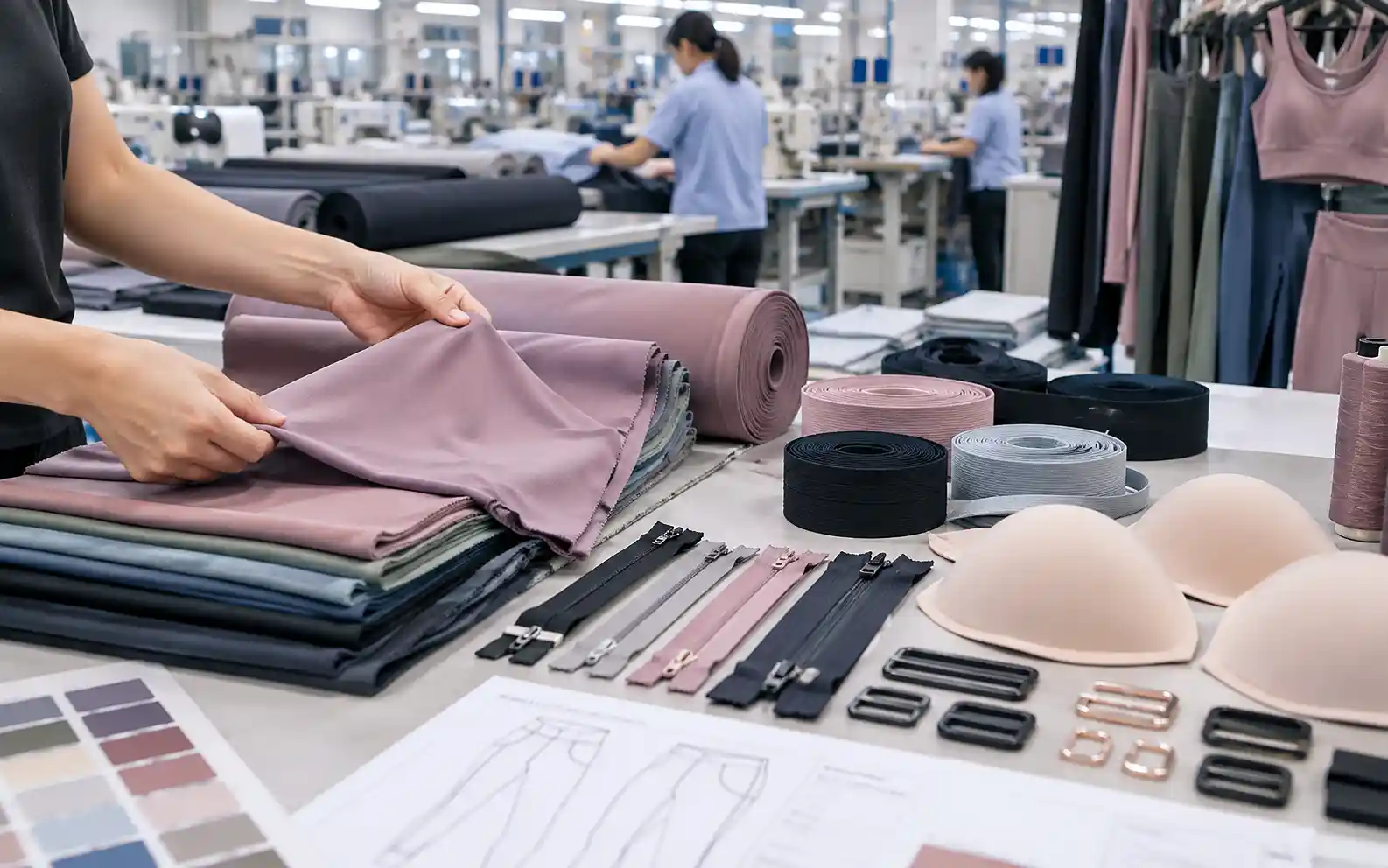
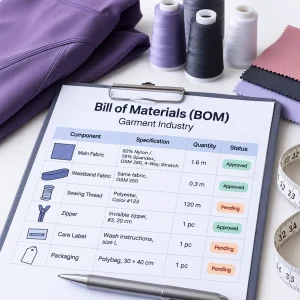
Start with the fabric or trim that takes the longest to source. Custom-dyed fabrics, elastics, molded cups, zippers, and branded trims can all delay production if they are approved too late.
Don’t treat every item on the BOM as if it has the same deadline. Ask your factory which material must be ready before cutting or sewing can start, then confirm its specification and order it first.
For example, your main fabric may already be in the factory, but a missing waistband elastic can still keep a leggings order off the sewing line. Packaging, by contrast, may arrive later without stopping production.
Identify the material that can block production and approve it first.
2. Reduce Sample Revisions Before Bulk Production
Samples take longer when feedback comes in pieces. Collect it before asking for the next revision.
A common pattern looks like this:
- Sample 1: change the waistband
- Sample 2: change the fabric
- Sample 3: move the logo
When these issues are already known, sending them separately can turn one revision into three. Each extra round means another sample, another shipment, and another approval wait.
Before replying to the factory, check fit, measurements, fabric, color, construction, and branding. This is especially important for new brands without a full technical team.
Collect comments from design, tech, and sales, then send one numbered list. Mark each point as “must fix” or “nice to have.”
In production, we often see more time lost between sample revisions than in sewing the sample itself.
To reduce sampling lead time, consolidate known changes before requesting the next sample. One complete revision is faster than several partial ones.
3. Put a Deadline on Every Approval

Give every approval one owner and one deadline. Many “factory delays” are actually orders waiting for a decision on lab dips, fit samples, logo artwork, labels, packaging, or size breakdowns.
When multiple teams give instructions directly to the factory, no answer is truly final. Assign one person to make the final decision, while others provide input through that person.
Keep a simple approval tracker:
Item → Final decision-maker → Deadline
Share it with the factory at the start of the order. A late approval may do more than add a few days. If it causes the order to miss a material or production window, the delay can be longer.
To reduce approval delays, give each decision one final owner and a deadline. The factory should receive one confirmed answer, not several competing instructions.
4. Confirm the Production Slot, Not Just the Lead Time
“Production lead time: 30 days” does not mean sewing starts tomorrow. Ask your factory: When is my order scheduled to enter the production line?
Also confirm what starts the lead-time clock. Is it the PO, deposit, material readiness, sample approval, or the actual production start? The same “30-day lead time” can mean different delivery dates depending on the starting point.
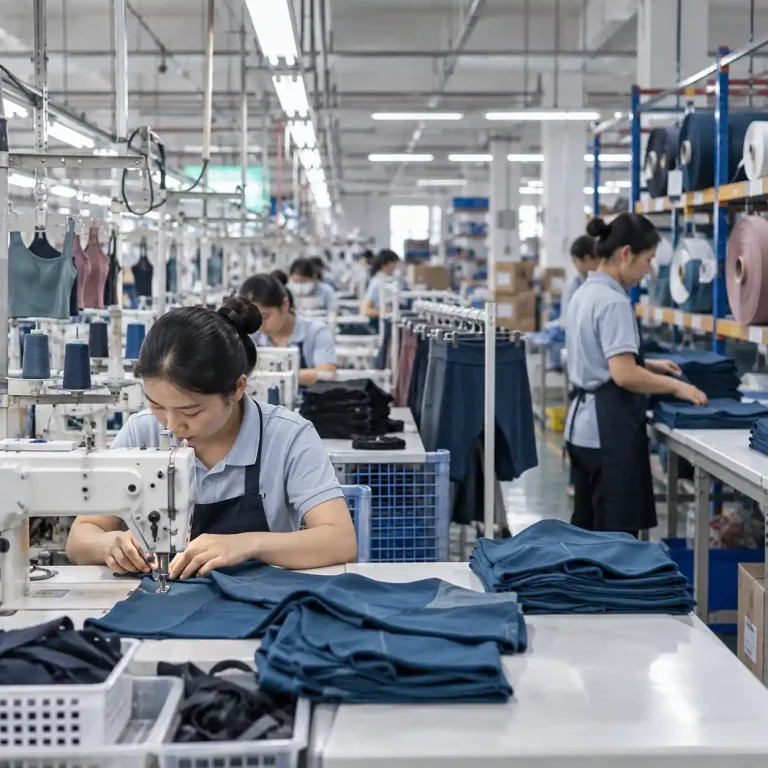
During busy periods, a wholesale activewear manufacturer may already have production lines committed to other orders. If your fabric arrives four days late, the impact is not always four days. Missing the reserved line may mean waiting until another slot opens.
Before ordering, confirm:
- What must be ready before the slot is secured?
- Is the slot tentative or confirmed?
- What happens if materials or approvals are late?
A lead time tells you how long production takes. A slot tells you when it starts.
5. Run Safe Tasks in Parallel
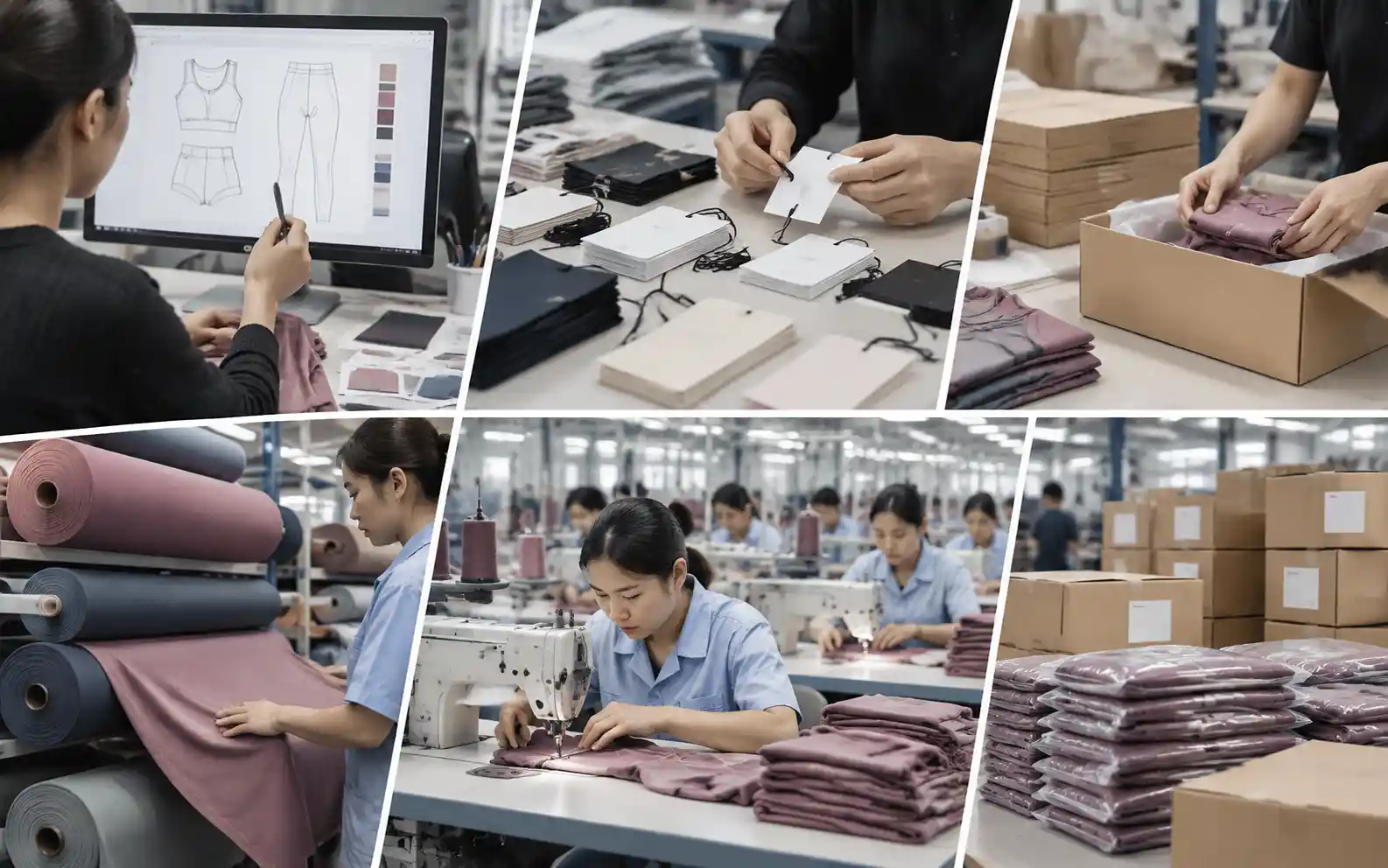
Don’t wait for one step to finish before starting every other task. Start work that is unlikely to change.
While a sample is waiting for approval, you may be able to prepare label artwork, confirm packaging, plan production, or reserve fabric capacity if the fabric specification is already locked. Waiting for full sample approval before starting every low-risk task adds avoidable time.
But don’t run irreversible work in parallel while related specs can still change. Hold bulk cutting, large custom-trim runs, final label printing, and branding application until the relevant details are approved.
You can’t un-cut fabric. And applying the wrong logo to 2,000 garments creates a much bigger delay than waiting for approval.
To shorten apparel lead time safely, run low-risk tasks in parallel once their specifications are locked. Keep irreversible work behind final approval.
6. Catch Problems Before They Reach the Sewing Line
A quality problem is also a lead-time problem. The later an issue is found, the more time it takes to correct.
For example, bulk fabric arrives and shows:
- Wrong shade
- Incorrect GSM
- Excessive shrinkage
- Poor stretch recovery
- Surface defects
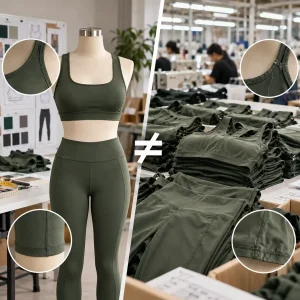
Found before cutting, the material can be isolated and corrected while production planning continues. Found after sewing, the process becomes longer: sorting, rework, replacement, and reinspection.
Move Important Checks Earlier
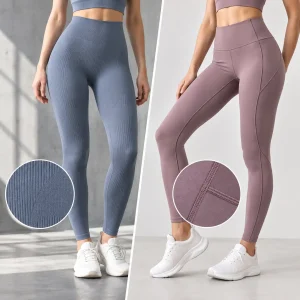
Match checks to your product risk. Leggings need stretch recovery and shade control. Hoodies need GSM and shrinkage control. Where standardized testing is required, you can refer to AATCC textile test methods for relevant fabric performance procedures.
Use four checkpoints:
- Bulk fabric: Confirm key material performance before cutting. Visual fabric inspection can also follow recognized methods such as ASTM D5430.
- First pieces: Check fit, measurements, and construction before full production.
- Inline production: Catch repeat issues while they are still limited.
- Final inspection: Confirm the approved standard, not discover problems for the first time.
To prevent quality-related delays, check high-risk materials before cutting and catch production issues during early production—not only at final inspection.
The earlier a production problem is found, the less time it usually costs to correct.
7. Stop Changes After the Production Freeze Point
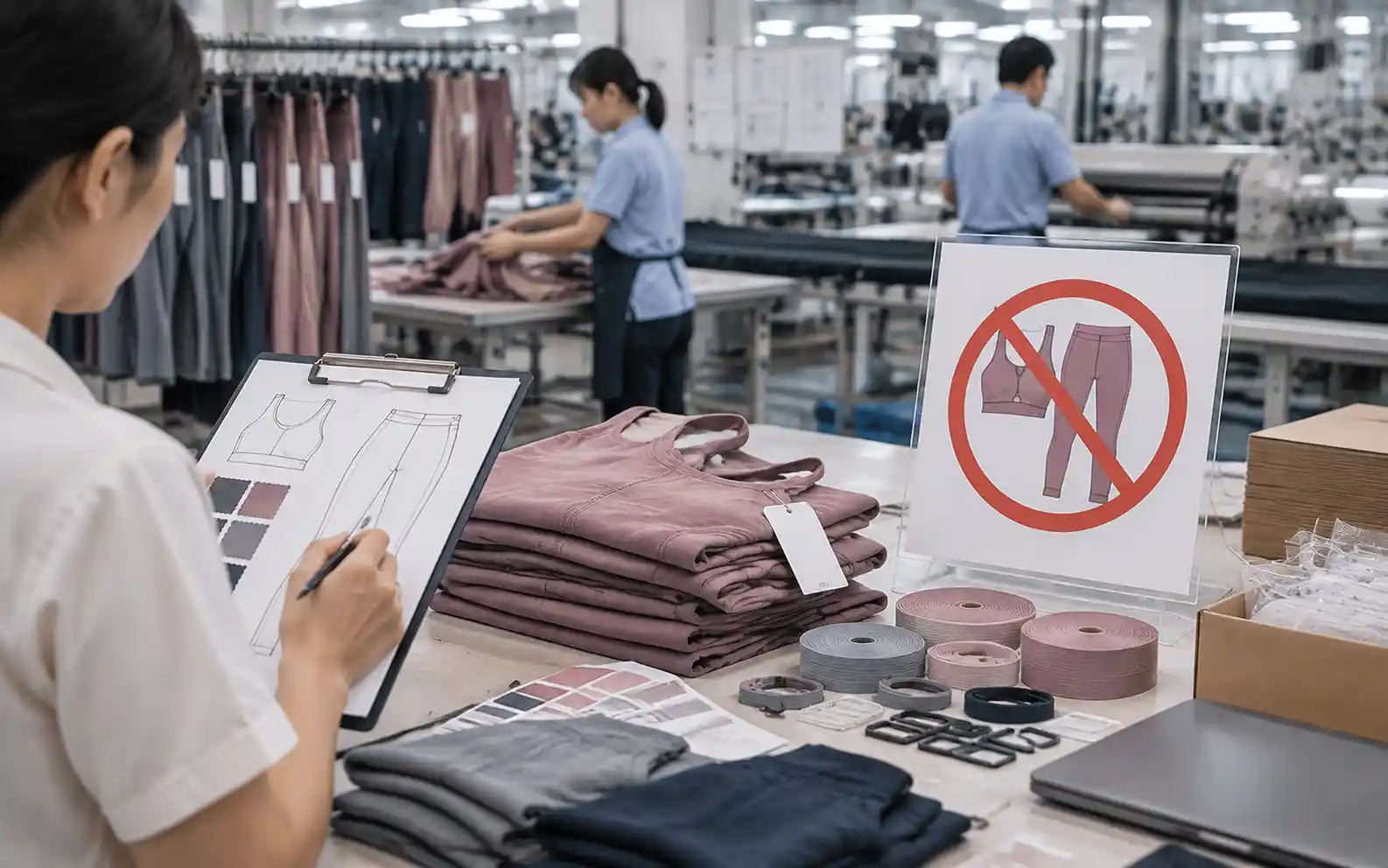
A small change late in production can restart a large part of the schedule. Set a point where changes become controlled requests, not normal updates.
Examples include:
- Changing color after dyeing starts
- Changing waistband width after elastic is ordered
- Moving the logo after artwork approval
- Adding sizes after labels are produced
- Changing packaging after materials are purchased
Each change looks minor, but it can send the order back through sourcing, sampling, approval, and production planning. Materials may need to be replaced, and the original production schedule may need to be adjusted.
Set a Production Freeze Point
After this point, any change should go through a review process. The factory should confirm:
- What materials are affected
- Whether production timing will move
- Whether additional cost is created
Only after understanding the impact should the change be approved.
A freeze point does not mean changes are impossible. It means every change has a clear impact before it enters production.
What Should You Confirm Before Accepting a Lead Time?
Before accepting a supplier’s lead time, ask these questions. The answers show whether the timeline is a real production plan or only an estimate.
# | Ask the Supplier | A Good Answer Sounds Like |
1 | Which material has the longest lead time? | A named fabric or trim with an expected arrival date |
2 | When will all production-critical materials be ready? | A clear material readiness timeline |
3 | What approvals must be completed before bulk production starts? | A list of approvals with deadlines |
4 | When is my order scheduled to enter the production line? | A confirmed or tentative production date |
5 | Which tasks can start before final approval without creating rework? | Specific low-risk tasks that can run in parallel |
6 | What happens if an approval or material is late? | The impact on the schedule and next available slot |
7 | When should specifications be frozen? | A clear freeze point and change process |
8 | Which quality checks will happen during production? | Bulk fabric checks, first-piece approval, inline checks, and final inspection |
A reliable apparel lead time should be supported by material readiness, approval deadlines, production scheduling, and quality checkpoints. Without these details, a lead time number is only an estimate.
Conclusion
Shorter lead times in apparel industry do not come from pushing the sewing line harder. It comes from removing unnecessary waiting, unclear decisions, and preventable rework before production starts.
A factory cannot remove every delay, but a well-prepared order can avoid many of them.
Clear expectations between the buyer and factory are often the difference between a predictable timeline and unexpected delays.
Need help reviewing your production timeline? Share your product details with LuckPanther, and we can help identify potential delays before bulk production begins.