Key Factors That Affect Leggings Manufacturing Cost
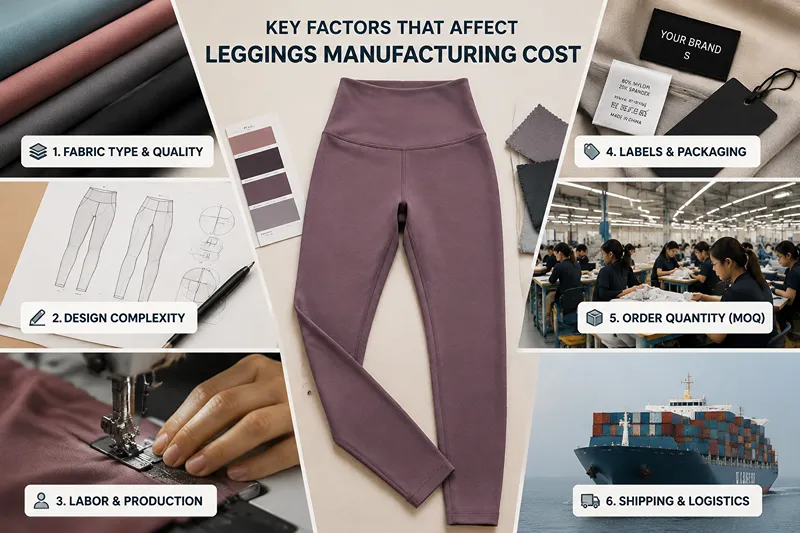
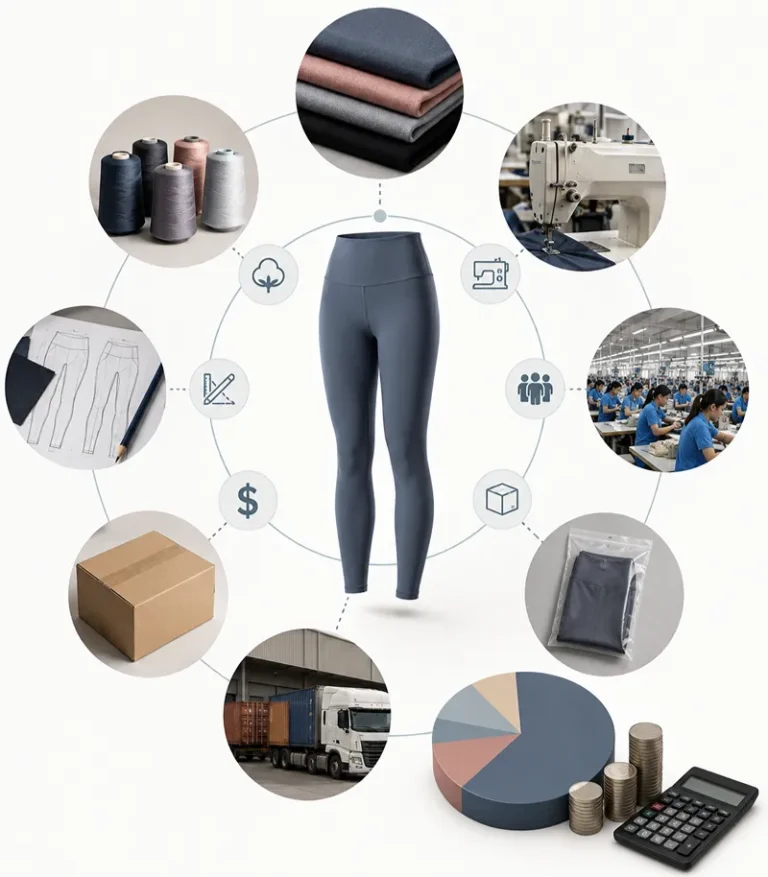
Here are the factors we see move the number most.
Fabric Type & Quality
Fabric is where most of your cost lives. In our production runs, polyester-spandex blends usually cost less than nylon-spandex. Nylon feels silkier and lasts longer, but you pay for that upgrade. Heavier GSM fabric with better stretch recovery also raises the price per yard.
Design Complexity
A basic two-panel legging is cheap to cut and sew. Add mesh panels, contoured waistbands, or pockets, and labor time goes up fast. We always tell clients: every extra seam adds cost. Keep your first design simple if budget is tight.
Printing & Dyeing Method
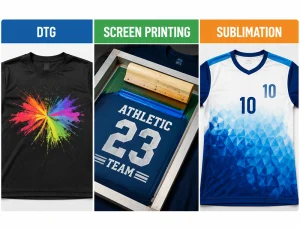
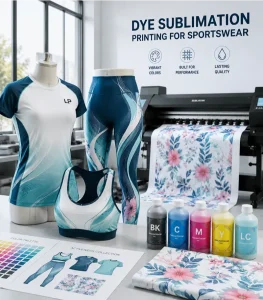
Solid dye is the cheapest option. Sublimation printing costs more, but it holds up better through stretch and repeated washing. That durability matters for activewear trends 2027, where bold all-over prints are expected to keep gaining ground.
Order Quantity (MOQ)
This is still the biggest lever on price. Small batches cost more per unit because setup fees get spread across fewer pieces. Larger orders bring that cost down fast. That’s one reason so many brands work with a China sportswear manufacturer for bulk production. Factories there often have the scale to offer better pricing on mid-to-large runs.
Compliance & Certifications
Compliance adds cost, but it’s worth it. If a client wants OEKO-TEX certified fabric, we factor that into the quote upfront. OEKO-TEX Standard 100 certifies that textiles have been tested for harmful substances, setting a global benchmark for textile safety. It’s a small added cost that builds real trust with your customers.
Sampling & Shipping
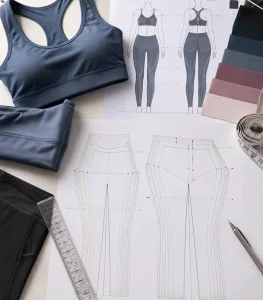
Pattern making, sample fees, and freight all sit outside the per-unit cost. But they hit your budget just as hard. We always ask new clients to plan for these before they lock in a factory.
Cost Examples / Sample Breakdown
Numbers make more sense with real examples. Here’s how leggings manufacturing cost breaks down across three common scenarios we’ve quoted for clients.
Example 1: Basic Solid-Color Leggings
Standard MOQ, simple two-panel construction, no print. This is the entry point for most new brands.
- Fabric: $3.50–$5.00
- Labor: $2.00–$3.00
- Trims (waistband, thread, label): $0.50–$1.00
- Total: roughly $8–$10 per unit
Example 2: Seamless or Compression Leggings
Mid MOQ, multi-panel construction, higher stretch recovery fabric. Popular with gym-focused brands.
- Fabric: $6.00–$8.00
- Labor: $4.00–$5.00
- Trims: $1.00–$1.50
- Total: roughly $14–$18 per unit
Example 3: Custom Print + Sustainable Fabric
High-end positioning, sublimation print, certified eco-friendly material. This is where premium brands land.
- Fabric: $9.00–$12.00
- Labor: $5.00–$6.00
- Printing: $2.00–$3.00
- Trims & certification: $1.50–$2.00
- Total: roughly $20–$25 per unit
Simple Cost Breakdown Table
Component | Basic | Mid-Range | Premium |
Fabric | ~45% | ~40% | ~40% |
Labor | ~30% | ~30% | ~25% |
Trims | ~10% | ~8% | ~8% |
Printing/Extras | 0% | ~10% | ~12% |
Overhead | ~15% | ~12% | ~15% |
Hidden Costs Brands Often Overlook
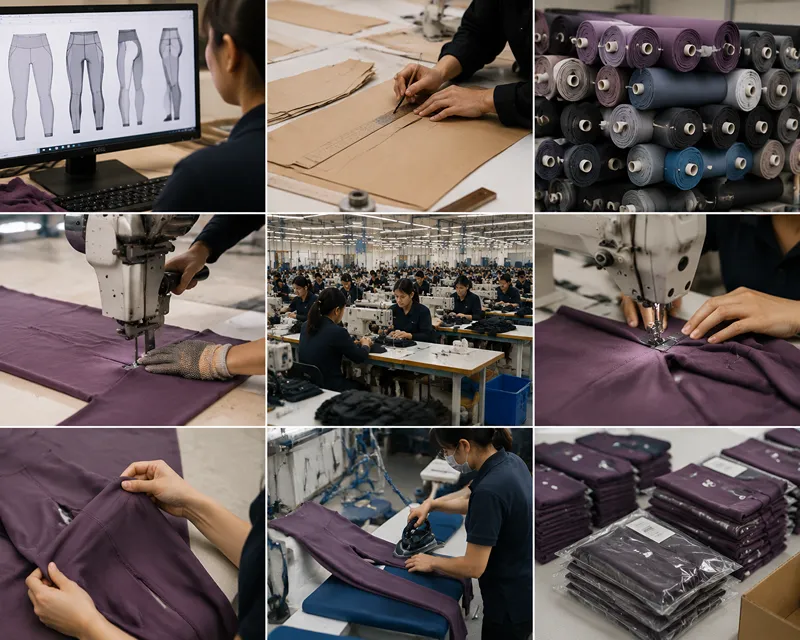
Your factory quote is not your final cost. We’ve seen new brands get surprised by this more than once. Here’s what to plan for.
Sampling Revisions
Your first sample is rarely your final sample. In our experience, most customers need two to three rounds before the fit is right. Each round adds a small fee and a few more days.
Shipping, Tariffs & Duties
Most factory quotes are FOB, which means freight and duties are not included. U.S. import duty on leggings from China can run as high as 28.2% for styles with elastomeric yarn content, according to a U.S. Customs and Border Protection tariff ruling. That’s a big number. Always ask your factory or broker for the correct HTS code before you budget your landed cost.
Quality Control & Inspection Fees
We always recommend a third-party inspection before your order ships. It usually costs a few hundred dollars. That’s a small price to catch a bad batch before it reaches your customers.
Minimum Order Penalties for Custom Work
Custom colors, prints, or add-ons like OEM shorts made to match your legging line often carry a higher MOQ than stock items. We’ve seen brands get caught off guard by this mid-negotiation. Ask about custom MOQs early, not after you’ve picked your fabric.
Tips to Control or Reduce Manufacturing Cost
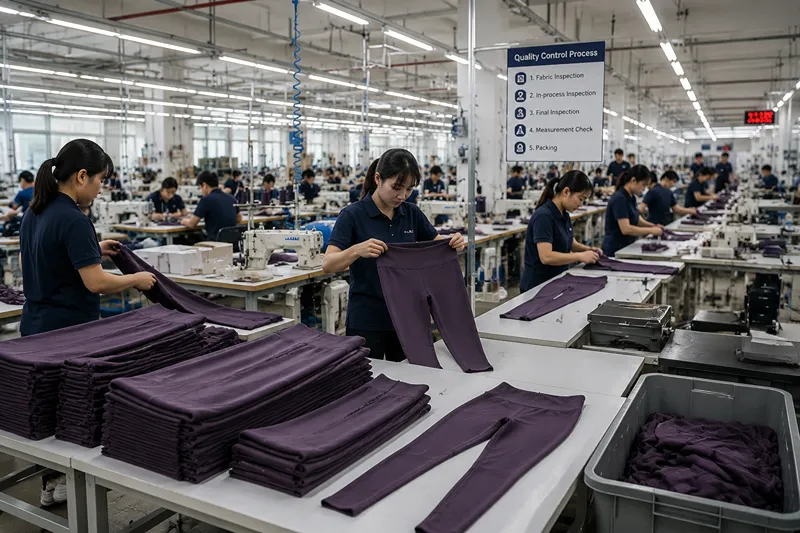
Once you know what drives cost, you can start controlling it. Here’s what actually works, based on what we do with our own clients.
Consolidate Your Fabric & Trim Choices
Every extra fabric or trim you add means another supplier relationship, another shipping fee, and another markup. We always tell new brands to build their first collection around one or two core fabrics.
Negotiate MOQ Tiers
Don’t treat MOQ as fixed. Ask your factory if pricing improves at 500, 1,000, or 2,000 units. Many factories offer tiered pricing, and knowing those breakpoints helps you plan your first order size around real savings, not a guess. At LuckPanther, our MOQ starts at just 200 units, so smaller brands can test designs without overcommitting. Feel free to reach out if you want to see how that works for your first order.
Choose Fabric Strategically
Match the fabric to the actual use case. A yoga brand doesn’t need heavy-duty compression fabric built for HIIT training. We’ve seen brands overspend on performance features their customer never notices.
Work With a Factory That Offers OEM/ODM
This cuts development cost because you’re not paying for pattern work from scratch. It’s one reason established sportswear companies in Germany, alongside Vietnamese and Chinese factories, often lean on OEM partnerships to speed up new launches without inflating R&D spend. That’s not just a European habit. It works for startups too.
Plan Orders Seasonally
Factories are busier at certain times of year. Ordering during their slower season can get you better pricing and faster turnaround. We always ask new clients about their launch timeline early, so we can flag if timing will affect cost.
Request a Transparent Cost Breakdown
Ask for fabric, labor, trims, and overhead listed separately. A factory that won’t break this down is usually hiding something. The clearest quotes we’ve seen always come from the most reliable partners.
Curious why some factories won’t go below 100 to 200 units at all? We break down the real reasons in our full guide on low MOQ sportswear pricing.