
Introduction
The global outdoor sportswear market is evolving rapidly, shaped by consumer demand for products that balance functionality and aesthetics. By 2026, outdoor apparel will no longer be defined only by technical performance—it will also reflect the fashion-forward design language of athleisure and urban lifestyle wear.
From hiking and trail running to camping and cycling, consumers want apparel that adapts to multiple scenarios while offering durability, comfort, and stylish details. For brands, wholesalers, and private labels, understanding the key design elements of 2026 outdoor sportswear is crucial for staying competitive.
1. Color-Block Paneling: Bold Visual Impact
In 2026, color-block paneling becomes a leading design element in outdoor sportswear. By combining dopamine-inspired vibrant hues and geometric patchwork, brands can create products that are both visually striking and highly functional.
- Benefits: Enhances brand recognition and individuality, adds a playful aesthetic.
- Fabric Combinations: Nylon with breathable mesh, polyester with spandex, ripstop with lightweight knits.
- Applications: Outdoor jackets, quick-dry tops, hiking pants.
This design trend also reinforces structure, improves tactile experience, and adds visual depth, making outdoor sportswear more versatile.
2. Exposed Seams & 3D Stitching
Another standout trend is exposed seams that highlight structural lines. These create a dynamic and directional look, emphasizing movement and flow.
- Benefits: Reinforces garment stability while adding an architectural, sporty edge.
- Aesthetic: Clean yet functional lines, often paired with contrasting colors for a modern touch.
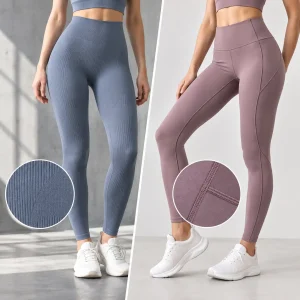
- Applications: Training jackets, trekking shirts, outdoor leggings.
This technique transforms functional stitching into a design element, giving outdoor silhouettes a sense of lightness and rhythm.
3. Adjustable Fit & Flexible Details
Consumers increasingly value apparel that adapts to their bodies and activities. Adjustable drawstrings, straps, and modular fittings are key in 2026.
- Benefits: Creates a customized silhouette, enhances freedom of movement, improves adaptability.
- User Experience: Increases interactivity and functionality for different environments.
- Applications: Hiking jackets with waist drawstrings, outdoor cargo pants, convertible outerwear.
These adjustable features balance functionality with lightweight comfort, expanding apparel versatility across climates and terrains.
4. Functional Zippers & Modular Design
Zippers go beyond simple open-and-close mechanics, playing a central role in modular outdoor design.
- Innovations:
artial opening zippers for added ventilation.
Detachable zippers for 2-in-1 styles.
Modular zippers allowing garments to adapt across seasons.
- Benefits: Expands movement range, enhances airflow, enables multi-use apparel.
- Applications: Convertible jackets, outdoor vests, trail running tops.
This design element ensures apparel is not season-bound and can transition seamlessly from day to night.
5. Utility Pockets & Hidden Storage
Multi-functional storage solutions remain critical in outdoor apparel.
- Benefits: Enhances practicality, improves carrying capacity, enriches garment silhouette.
- Design Options:
3D utility pockets for outdoor gear.
Hidden compartments for valuables.
Streamlined storage for minimalistic aesthetics.
- Applications: Hiking pants, cargo jackets, cycling jerseys.
By combining functionality with refined outdoor aesthetics, brands meet the needs of both serious adventurers and casual outdoor enthusiasts.
6. Breathable Mesh & Laser-Cut Details
Performance and style converge with breathable mesh panels and laser-cut ventilation.
- Benefits: Improves ventilation, enhances sweat-wicking, reduces overheating.
- Design Appeal: Adds modern and sporty aesthetics to outdoor apparel.
- Applications: Training T-shirts, outdoor leggings, base layers, summer jackets.
Laser-cut perforations also increase durability and precision, combining technical strength with lightweight comfort.
7. Convenient Outdoor Details
2026 outdoor sportswear emphasizes user-friendly innovations:
- High Necklines: For extra protection and warmth.
- Zipper Openings: Designed for convenience in high-altitude conditions.
- Shoulder Hooks/Ear Loops: Allow storage of sunglasses and small essentials
These thoughtful touches cater to real outdoor needs, providing comfort and practicality during long adventures.
8. Material Innovations in 2026
Beyond functional details, material choice defines the next generation of outdoor apparel.
- Sustainable Fabrics: Recycled nylon, organic cotton, eco-friendly polyester.
- Lightweight Durability: Ripstop nylon and reinforced polyester.
- Performance Fabrics: Moisture-wicking, quick-dry, UV-resistant blends.
This evolution reflects a global shift toward eco-conscious fashion, where sustainability meets high performance.
9. Target Consumer Groups
- Gen Z Outdoor Enthusiasts: Fashion-driven and social media influenced.
- Professional Outdoor Athletes: Demand technical precision and durability.
- Urban Explorers: Seek adaptable outdoor apparel that transitions between city and nature.
Understanding consumer psychology helps brands design multi-scenario outdoor wear that resonates globally.
10. OEM & ODM Outdoor Sportswear Manufacturing Solutions
For brands and wholesalers, the key to success is partnering with the right OEM/ODM factory.
Factory Capabilities:
- OEM Services: Bring your design, we handle production.
- ODM Services: Choose from our ready-to-produce designs and customize with your brand.
- Customization: Logos, prints, embroidery, colorways, trims.
- MOQ Flexibility: Bulk orders or small-batch private labels.
- Quality Standards: SGS, OEKO-TEX® Standard 100, ISO9001 certified.
- Global Logistics: Efficient supply chain to meet international shipping needs.
With a professional OEM outdoor sportswear manufacturer, buyers gain access to trend-driven designs, reliable quality, and scalable production solutions.
Conclusion
The outdoor sportswear market in 2026 is defined by the fusion of performance innovation and aesthetic appeal. From bold color-blocking and exposed seams to modular zippers and breathable laser cuts, the details are shaping a new era of functional outdoor fashion.
For brands, wholesalers, and private labels, staying aligned with these trends is crucial. By collaborating with an experienced OEM & ODM outdoor sportswear factory, you can bring your vision to life with flexible MOQ, sustainable fabrics, and market-ready production.
Contact our team today to request free samples, explore customization options, and discover how we can support your next outdoor sportswear collection.

Chelsea Lin
Chelsea Lin is an activewear production specialist with over 10 years of experience in sportswear manufacturing, product development, and quality management. She specializes in leggings, yoga wear, sports bras, and custom activewear development.
Her expertise covers fabric evaluation, technical development, sampling, production management, and AQL-based quality inspections, helping brands improve material selection, garment performance, and production consistency.
- 8 Leggings Manufacturers in India and What They Produce October 13, 2026
- Bill of Materials in Garment Industry: What Buyers Need to Include October 12, 2026
- Seamless vs Seamed Leggings: Which Is Better for Your Brand? October 10, 2026
- 10 Sportswear Manufacturers in Bangladesh: Beyond Low Cost October 9, 2026
- 8 USA Tennis Clothing Manufacturers Behind the Seams October 8, 2026
Our Fact Checking Process
We prioritize accuracy and integrity in our content. Here's how we maintain high standards:- Expert Review: All articles are reviewed by subject matter experts.
- Source Validation: Information is backed by credible, up-to-date sources.
- Transparency: We clearly cite references and disclose potential conflicts.