
What Is Private Label Activewear Manufacturing?
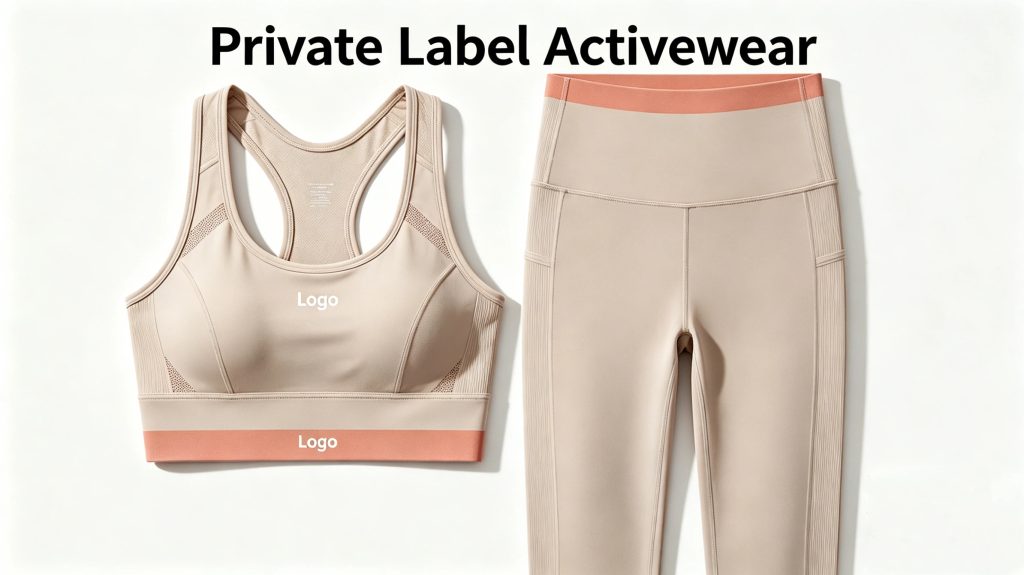
Private label works like this: a factory already has ready-made designs. You pick a style, add your logo and tags, and your brand is ready to sell.
- Why brands choose this model: It’s the fastest way to launch. No design stage. No fabric testing. Just choose, brand, and ship.
- The market is growing fast: The Private Label Manufacturers Association values the private-label market at $277 billion in 2025, growing four times faster than national brands.
- What it means for your cost: If you’re comparing your leggings manufacturing cost, private label almost always wins upfront. You skip pattern development. You skip custom fabric runs. You use what’s already on the factory floor.
We run this model every day. It’s great for testing the market fast. But you get less control over fit, fabric, and design details. If your brand needs something truly unique, this may not be the full answer.
What Is OEM Activewear Manufacturing?
OEM stands for a different setup. You bring your own designs. The factory builds them from scratch, just for your brand.
How it actually works, from our side
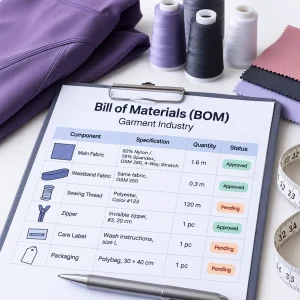
As a wholesale activewear manufacturer, we handle this process daily. You send us your tech pack. We source the fabric, build the pattern, sew samples, and adjust the fit until it’s right.
The trade-off: more control, more time
Industry data shows OEM orders typically run 500 or more pieces per design, with lead times of 45 to 60 days. That’s a real commitment. But you get full control over fit, fabric, and construction.
Why brands still choose it
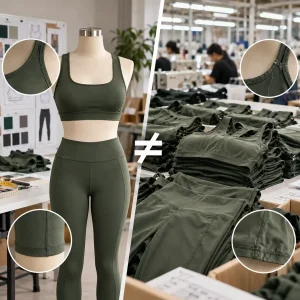
If you want a leggings design nobody else has, OEM is the only way to get there. Private label uses existing molds. OEM builds something new, from the seams up.
We tell every client the same thing before they commit to OEM. It takes longer and costs more upfront. But it’s how real brands build a defensible product, one competitors can’t just copy off a factory shelf.
Private Label vs OEM Activewear Manufacturing: Key Differences
Let’s break this down side by side. This is the same comparison we walk clients through every week.
| Factor | Private Label | OEM |
|---|---|---|
| Minimum order quantity | 50 to 500 pieces per style | 500+ pieces per design |
| Cost per unit | Lower upfront | Higher upfront, better margin long-term |
| Lead time | 1 to 3 weeks | 45 to 60 days |
| Design control | Limited to existing designs | Full control over fit, fabric, construction |
| Brand uniqueness | May be shared with other brands | Built only for you |
| Best for | Fast market testing | Long-term, defensible product lines |
We’re a China sportswear manufacturer, and we run both production lines side by side. Here’s the pattern we see. New brands usually start with private label to test the market fast. Once they know what sells, many switch to OEM for their bestsellers.
💡Our advice: Don’t pick one model forever. Start where your budget and timeline make sense. Move to OEM once you have real sales data behind you. That’s how we’ve seen smart brands grow without wasting money on guesswork.
How to Choose the Right Activewear Manufacturing Partner
Picking a manufacturer is a bigger decision than most brands expect. Here’s how we tell clients to think about it.
Start with your growth stage
For new brands, private label almost always makes sense first. You get lower risk and faster market feedback. Once you know your bestsellers, OEM becomes the smarter long-term move.
Check their fabric knowledge
Sustainability isn’t optional anymore. By 2026, sustainability shifted from a nice-to-have to a baseline requirement in activewear. Ask any potential partner what recycled or bio-based materials they actually stock, not just what they claim to offer.
Ask about real production capacity
A good manufacturer should show you their factory floor, not just a sample room. We always invite new clients to video call our production line before they commit to a first order.
Look ahead, not just at today
Smart brands are already planning for activewear trends 2027. Buyers are increasingly asking for laser-cut patterns and eco-mesh panels designed for ventilation in high-intensity training gear. A partner who understands where the market is heading saves you a redesign later.