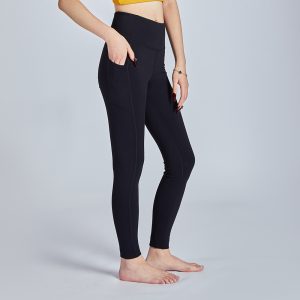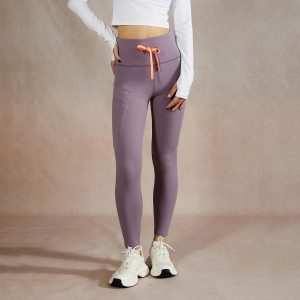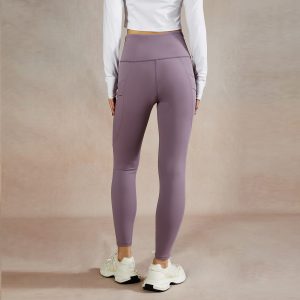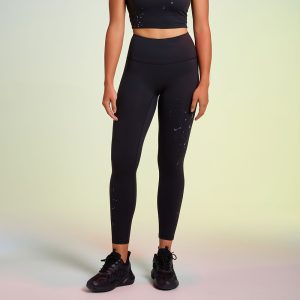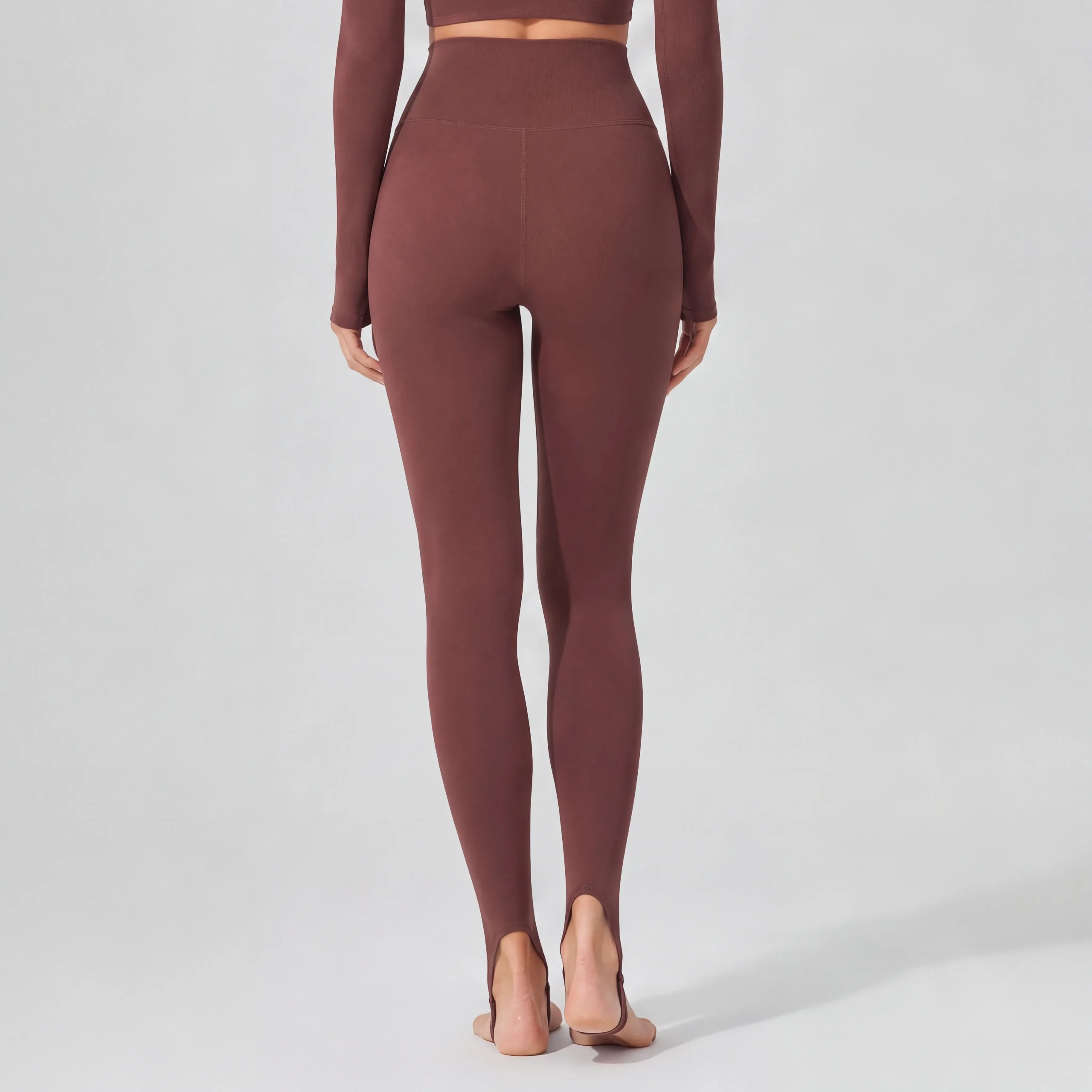
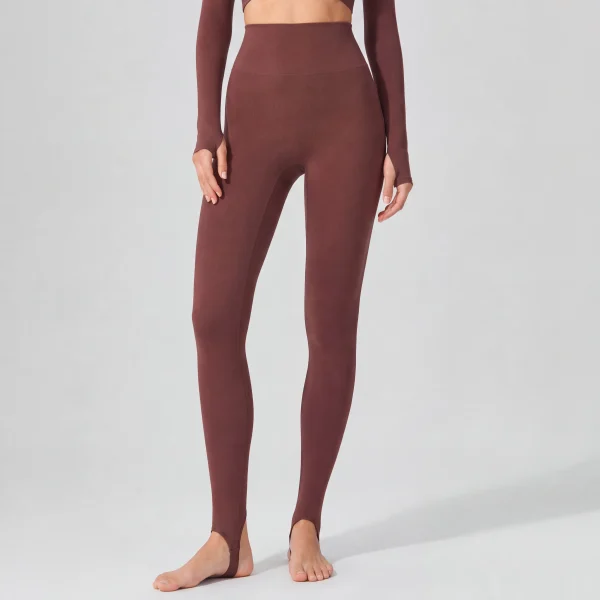
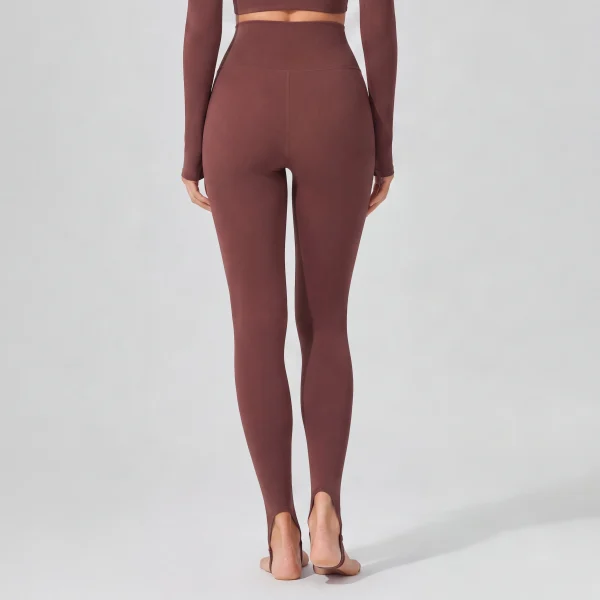
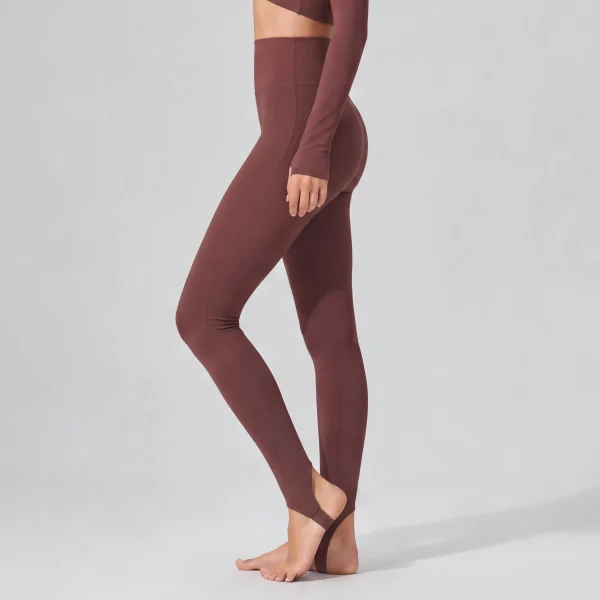
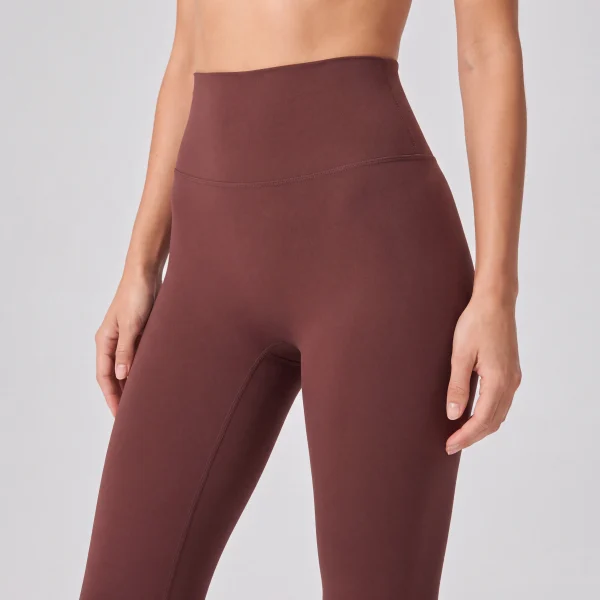
What This Design Adds to Your Collection
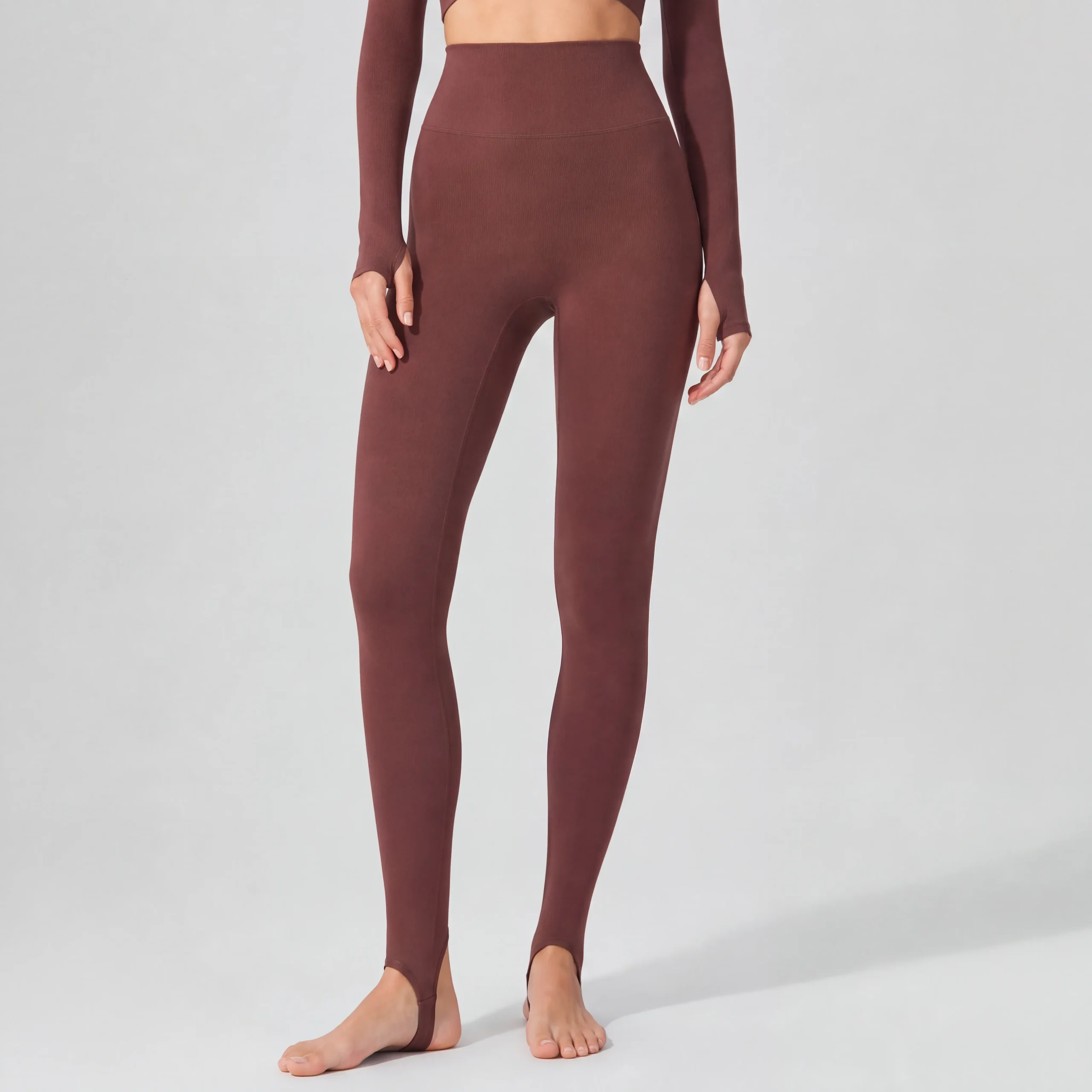
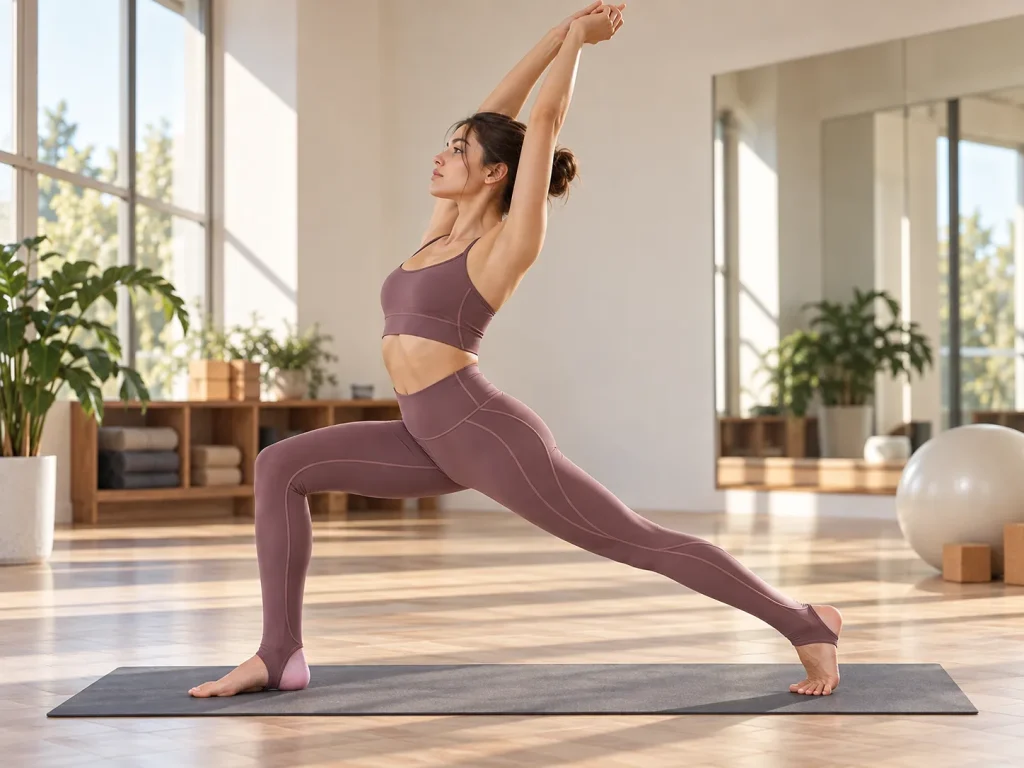
The integrated stirrup gives the style a different silhouette from standard ankle or full-length leggings. It extends the design below the ankle and creates a visible feature without relying on prints or extra trims.
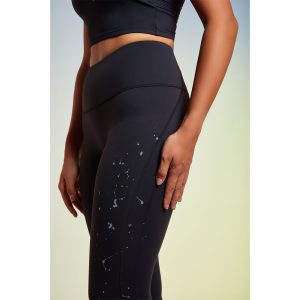
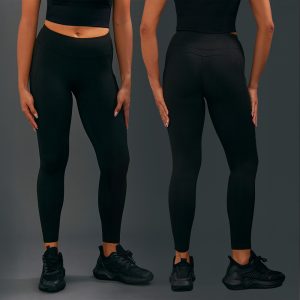
The contour seams add another level of differentiation. Their curve, height, and direction can be changed to create a cleaner athletic line or a more defined shape around the hip and leg.
For a Lycra capsule, studio range, or active-fashion collection, these details give the product a stronger identity while keeping the design practical for repeat production.
Key Fit Points to Confirm Before Production
A stirrup cannot simply be added below the inseam of a standard leggings pattern. Four measurements need particular attention:
- Stirrup depth — Too short can create upward tension through the leg. Too long can leave the loop loose under the foot.
- Underfoot width — Controls how much fabric sits below the arch and how concentrated the tension feels.
- Heel opening — Affects where the stirrup sits around the heel and ankle.
- Inseam length — Needs to work with the stirrup depth. Changing one without checking the other can shift the crotch or waistband position.
For multi-size orders, the stirrup also needs its own grading check. Foot dimensions do not increase at the same rate as hip and waist measurements, so simply scaling the complete pattern can create different stirrup tension across sizes.
Customization Options
| Area | What Can Be Adjusted |
|---|---|
| Contour Seam | Curve, height, direction, panel shape |
| Stirrup | Depth, width, heel opening |
| Fit | Rise, inseam, ankle fit |
| Color | Solid, tonal or contrast panels |
| Branding | Logo placement, labels, hangtags, packaging |
For contour-panel versions, seam placement and color blocking can be developed together. Panel proportions can then be checked during grading so the visual shape stays balanced across sizes.