What Is a Prototype Sample in Sportswear Manufacturing?
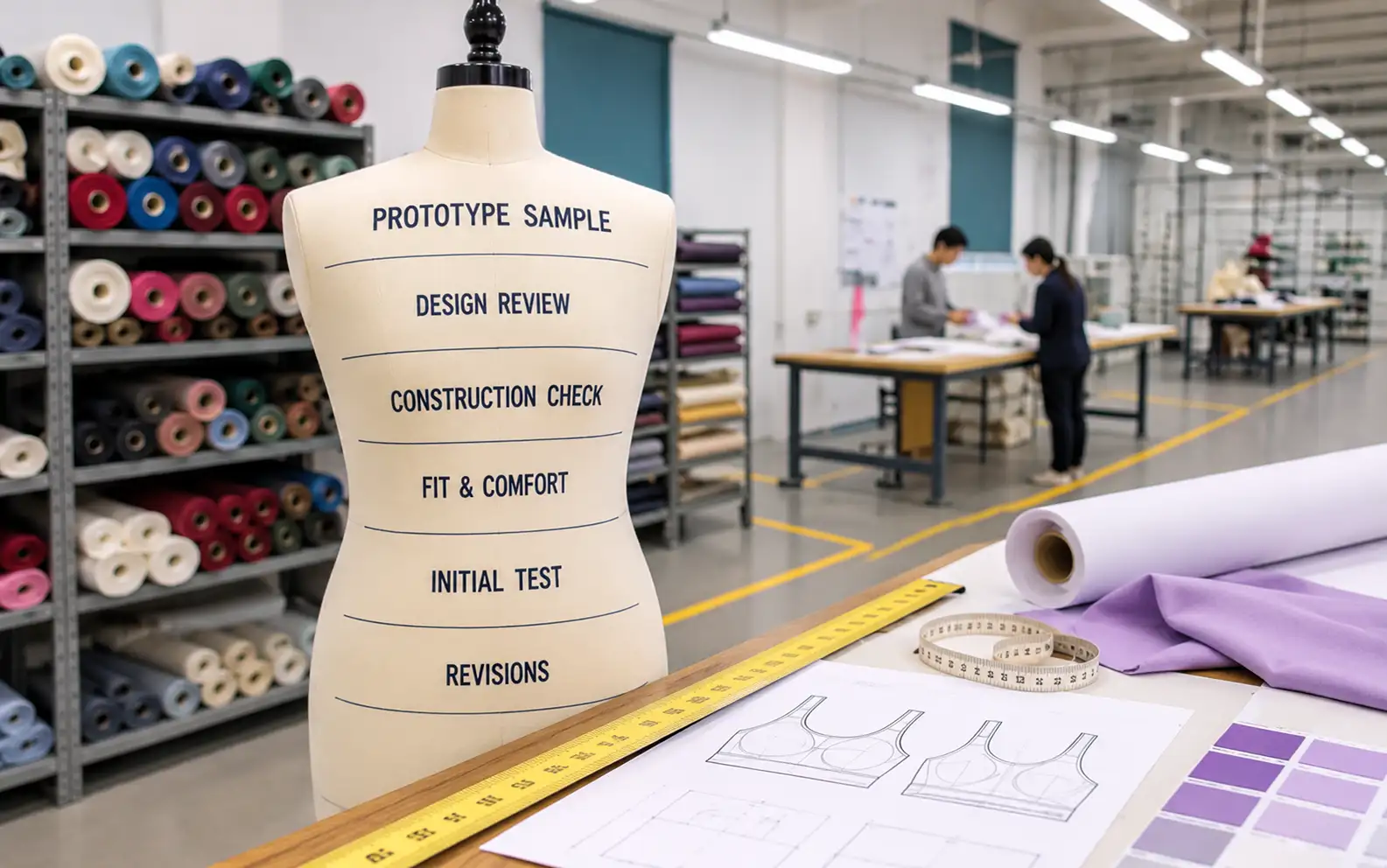
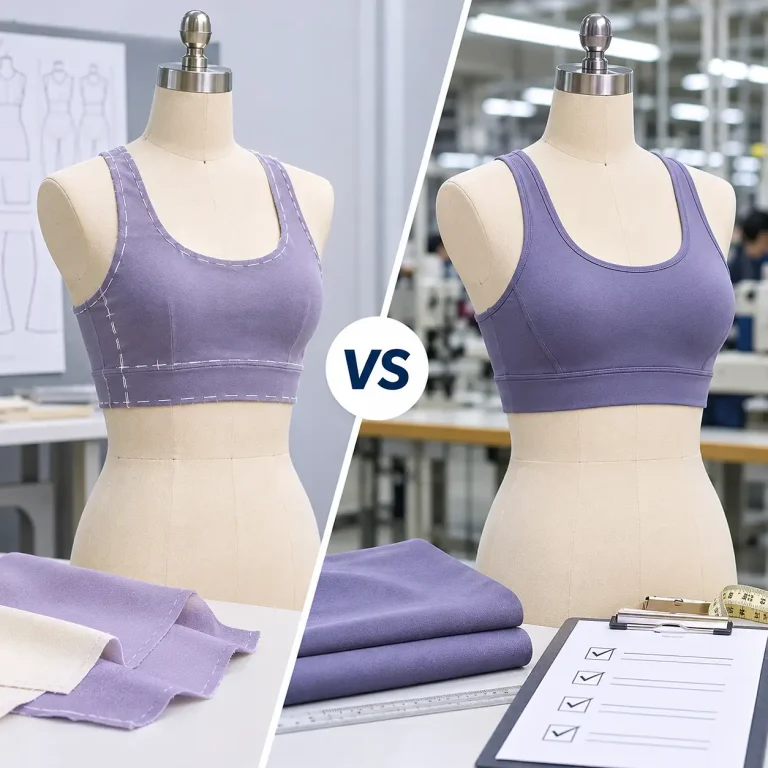
A prototype is an early development sample. We make it to test the design, not to approve the final product.
As a leggings manufacturer, we check the waistband shape and construction during prototype development. Does it sit at the intended height? Does the seam placement match the design? On a sports bra, we look at where the straps sit and how the back design is constructed.
Use a prototype to assess the design and construction. Approving a prototype confirms the proposed design, not the final production specifications.
What Is a Pre-Production Sample (PPS)?
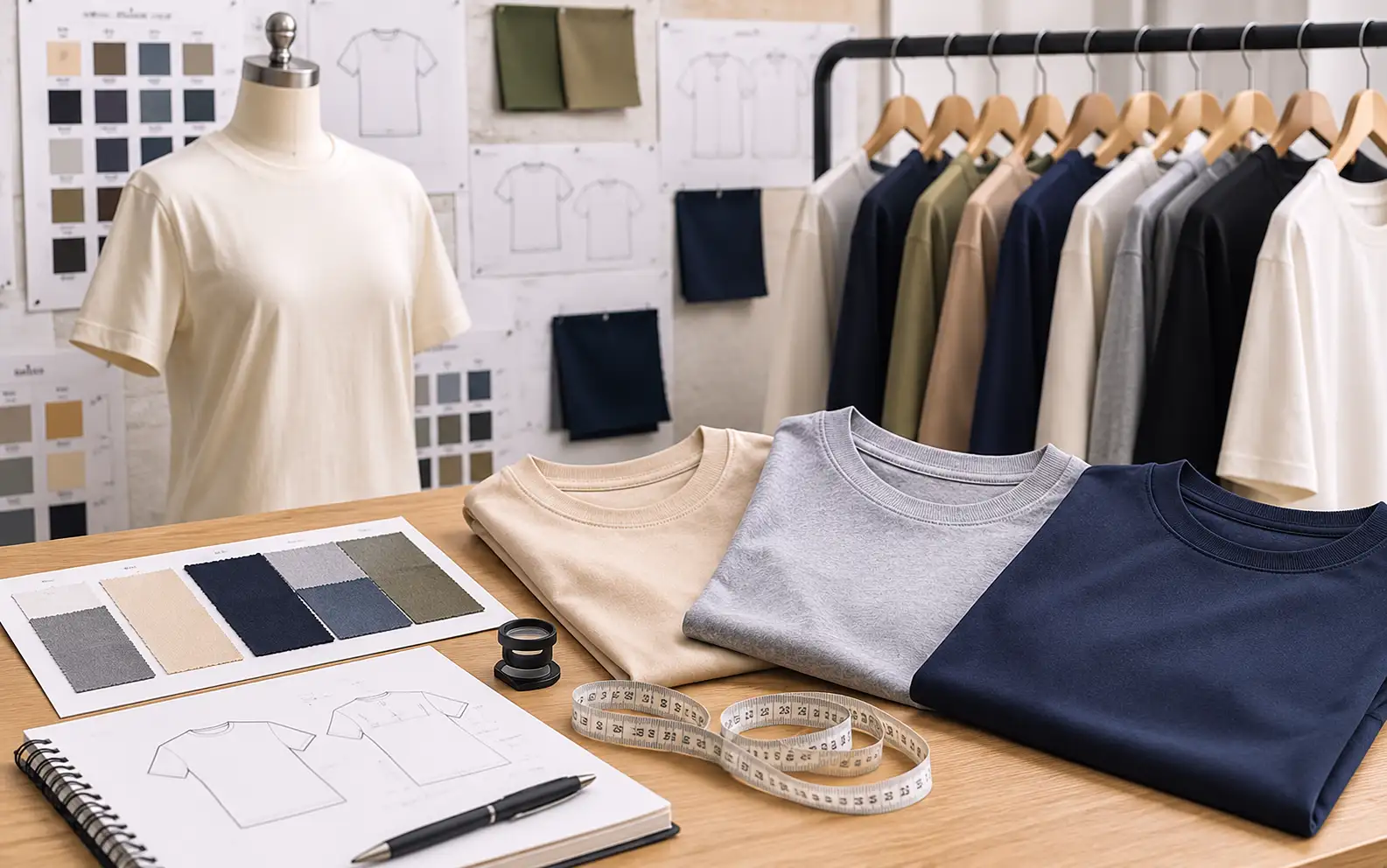
A pre-production sample is the final sample used to confirm a garment before bulk production. It uses the approved production materials and construction methods.
For leggings, that means the approved bulk fabric, final waistband elastic, and agreed pattern. The sample should also follow the same sewing methods planned for bulk production.
The buyer checks whether the PPS matches the approved production specifications. Once approved, the PPS becomes the physical reference for bulk production. A signed and sealed sample can help resolve questions about the agreed specifications.
Prototype vs Pre-Production Sample: Key Differences
The table below shows how the two samples differ in sportswear development.
Comparison | Prototype Sample | Pre-Production Sample |
Main purpose | Test design and construction | Confirm final production specifications |
Development stage | Early product development | Before bulk production |
Fabric | May use substitute materials | Approved bulk-production fabric |
Pattern | May still require adjustments | Final approved pattern |
Trims and labels | May be temporary | Final approved components |
Changes | Design changes are expected | Changes require review and possible reapproval |
Approval result | Design can move to further development | Production can proceed after required approvals |
For a high-support design, your sports bra manufacturer needs to check different details at each sampling stage.
On the prototype, we check the strap placement and cup construction. Do the straps sit at the intended angle? Does the cup shape follow the approved design?
The PPS requires different checks. Does the underband elastic provide the intended tension? Are the cup seams constructed as specified? Does the neckline stay in place during movement?
Can a Sportswear Prototype Use Substitute Fabric?
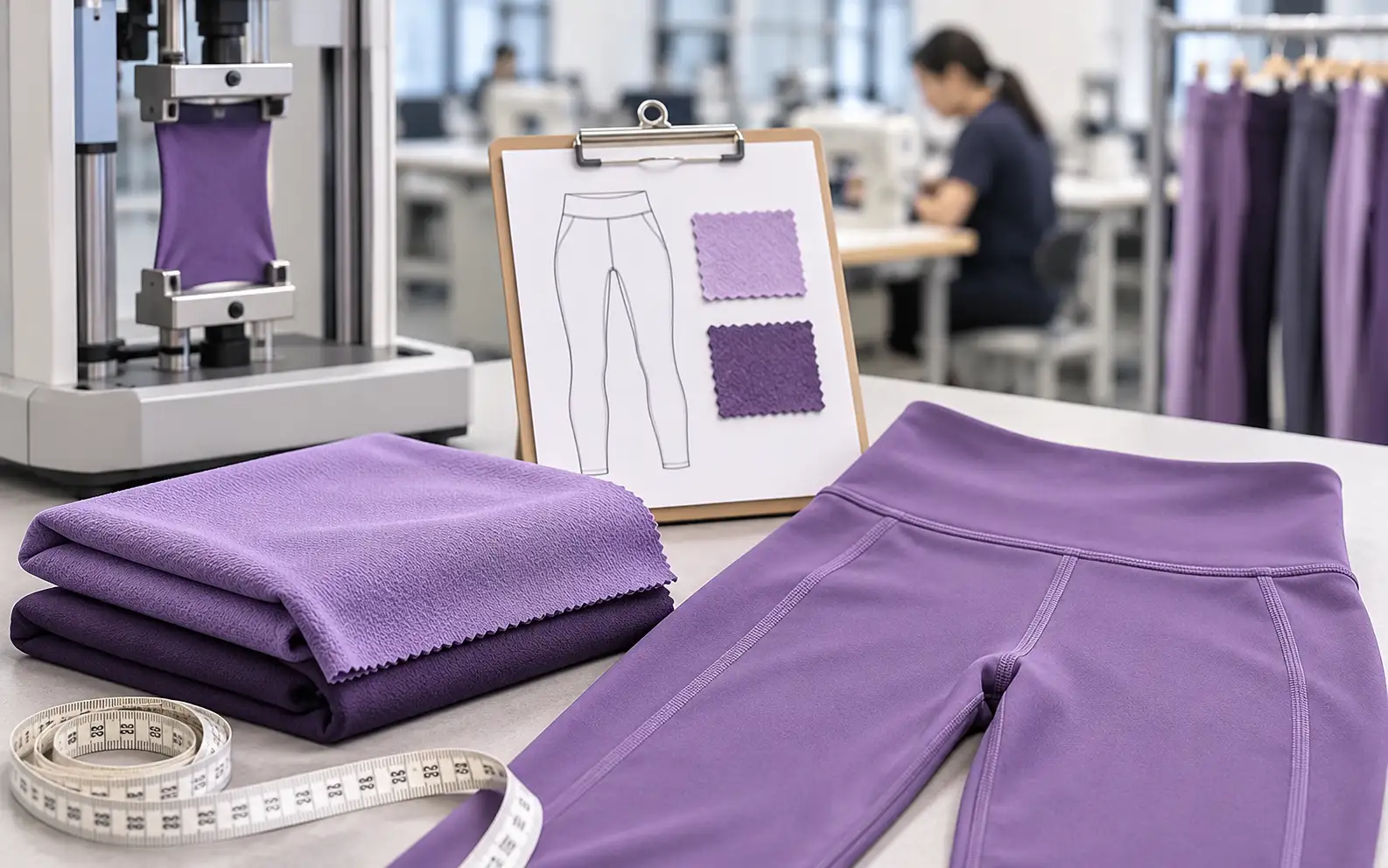
A sportswear prototype can use substitute fabric during early development. If you only need to check style lines or waistband construction, a fabric with similar properties may be enough. This can save time and cost before the final material is available.
But fabric changes how a garment behaves. Two fabrics can have different stretch and recovery, even at the same weight. One may feel tighter on the body or return to shape more slowly. ISO 20932-1 provides a standard method for measuring fabric elasticity.
I have seen a prototype feel perfect in a substitute fabric. Then the final fabric arrived, and the leggings felt tighter around the thighs.
Do not approve compression based on a substitute-fabric prototype. The same applies to leggings’ opacity and sports bra support. Confirm these properties again using the final production fabric.
Can You Skip the Prototype and Go Straight to PPS?
A separate prototype is not required for every sportswear order. The decision depends on how much the design, fabric, or construction has changed.
Not every factory follows the same sampling steps within the pre-production process. At our factory, we review what has changed from the last approved version. A new support structure may need a prototype, while a proven design with minor changes may require fewer development samples.
Development Situation | Recommendation |
New sports bra with a custom support structure | Prototype development is recommended |
Existing leggings pattern with a new waistband design | Evaluate whether a development sample is needed |
Repeat order with unchanged approved specifications | A new prototype may not be necessary |
Existing style with only a logo change | A separate prototype may be unnecessary, but the decoration still needs approval |
New fabric with different stretch and recovery | Recheck fit and performance before final PPS approval |
Skipping a prototype does not mean skipping development checks. Any changes that affect fit, support, or construction still need to be reviewed before PPS approval.
What If the Prototype and PPS Do Not Match?
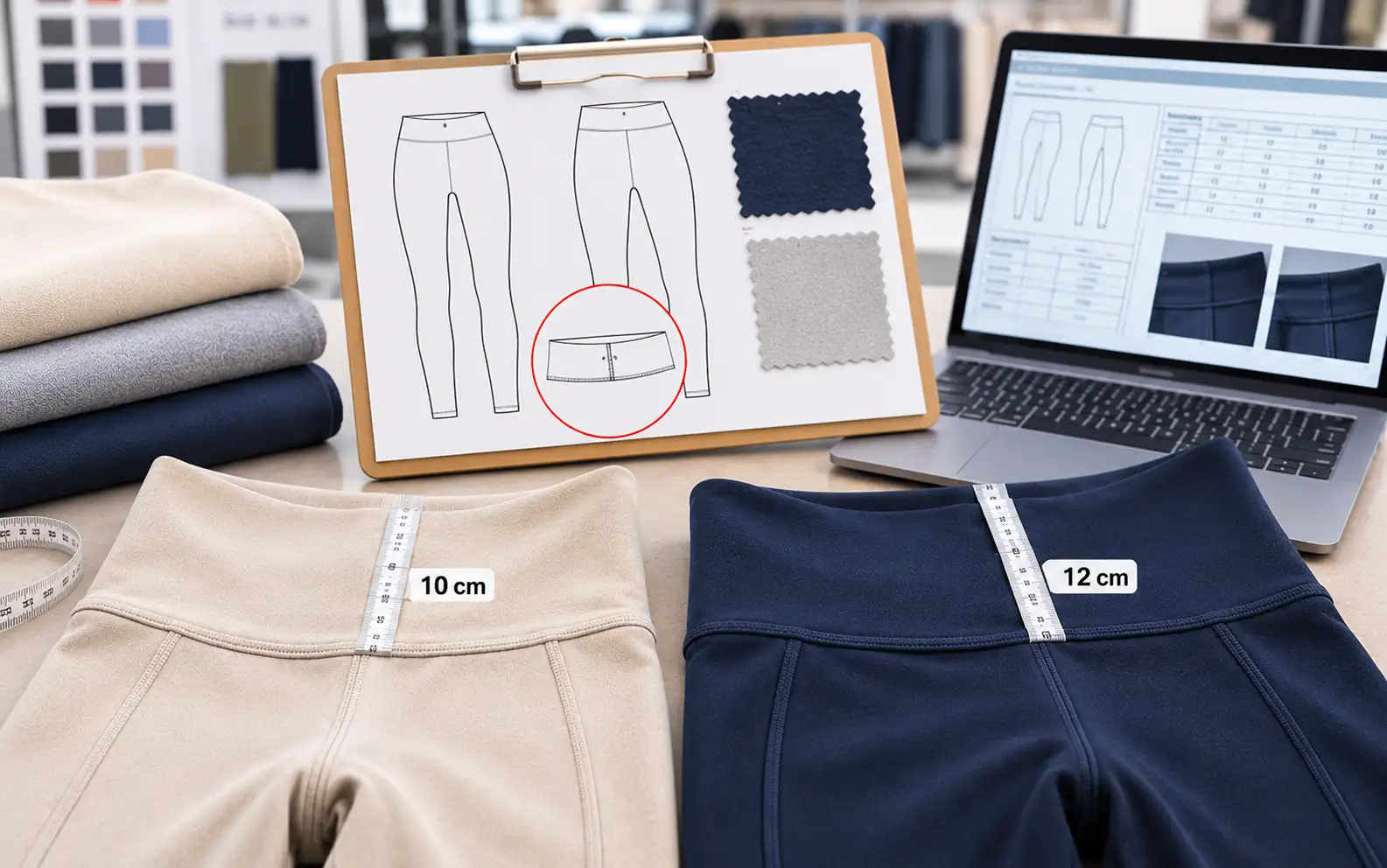
A difference between the prototype and PPS does not always mean a production error. Some changes are approved during development.
Say the prototype leggings had a 10 cm waistband. You later approved a 12 cm waistband, and the tech pack was updated. The PPS should follow the latest approved specification, not the original prototype.
Other differences need attention. If the fabric appearance or strap shape has changed without approval, we check the tech pack version and sample revision records to identify the cause. Any unapproved difference must be corrected or formally approved before production.
Do not approve bulk production until key differences are resolved.