Sportswear Manufacturers in Bangladesh: Quick Comparison
Manufacturer | Sportswear Focus | Production Strength | Better Fit For |
Youngone Corporation | Technical outerwear, performance jackets | Waterproof construction, technical sewing | Outdoor and performance apparel brands |
Snowtex Sportswear Ltd. | Training shorts, sports pants, lightweight jackets | Woven sportswear production | Brands sourcing woven training apparel |
New Asia Group | Santoni seamless knitting, fabric development | Brands developing custom seamless activewear | |
Network Group | Performance T-shirts, printed sportswear | Functional fabrics, garment printing | Brands needing printed performance tops |
Turag Garments & Hosiery Mills | Training wear, Muay Thai apparel, casual sportswear | Multi-category garment production | Brands sourcing different sportswear categories |
Fakir Garments Ltd. | T-shirts, sweatshirts, sweatpants | Composite knitwear manufacturing | Athleisure and coordinated casualwear collections |
DBL Group | Knit sportswear, performance basics | Fabric production, digital tracking systems | Larger knitwear production programs |
Ananta Group | Sports bras, leggings, fitted activewear | Fabric molding, bonding, lamination | Brands developing molded or bonded sports bras |
Esquire Group | Seamless and fitted activewear | 3D design, pattern development | Brands needing technical product development |
Mars Sportswear Ltd. | Sports bras, leggings, stretch garments | Documented stretch-garment sewing experience | Buyers sourcing technical stretch sportswear |
Related Reading:
- 8 Best Sportswear Manufacturers in China for Reliable Sourcing
- 10 Top-Rated Sportswear Manufacturers in USA for Wholesale & Private Label
- 10 Sportswear Manufacturers in Vietnam: Who Makes What?
10 Sportswear Manufacturers in Bangladesh
Each manufacturer has a different production focus. The profiles below show where each factory may fit your sourcing needs.
1. Youngone Corporation
Youngone handles large-scale technical outerwear production. Its operation makes it a notable sportswear manufacturer in Bangladesh. BGMEA lists 10,070 machines and an annual capacity of 700,000 dozen garments at Youngone (CEPZ) Ltd. Its Karnaphuli factory produces jackets, rainwear, and down vests.
Arc’teryx has highlighted Youngone’s attention to stitch density and corner seam construction. These details affect jacket durability, especially around complex seams.
We would shortlist Youngone for technical rainwear and insulated jackets. Before ordering, confirm which factory will produce your style and request test reports for the finished garment. For waterproof jackets, pay particular attention to seam leakage after washing. For the fabric itself, ISO 811 provides a standard method for measuring resistance to water penetration.
2. Snowtex Sportswear Ltd.
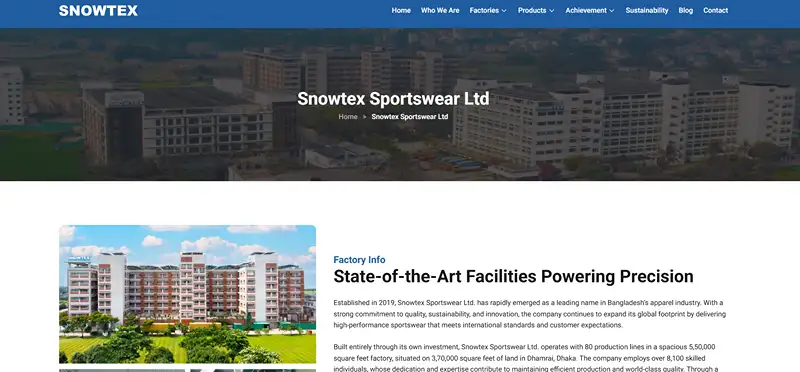
Snowtex Sportswear produces woven training shorts, sports pants, and lightweight jackets. Its product range makes it more relevant to brands developing woven sportswear than seamless leggings or sports bras.
Snowtex Group also operates garment washing facilities. This adds a finishing option within its wider supply chain, although buyers should confirm which processes their orders can use.
Ask Snowtex to identify who handles fabric sourcing, washing, and final inspection. If a finishing defect appears, the buyer should know which team is responsible for correcting it before bulk production continues.
3. New Asia Group
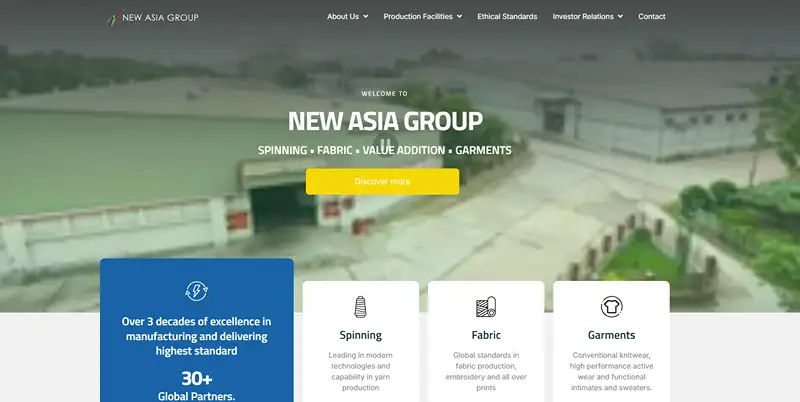
New Asia Group’s JM Fabrics uses Santoni machines to produce seamless activewear. This technology supports different knit structures within one garment. These structures can create targeted areas for ventilation and support. It adds to the range of sportswear manufacturing capabilities in Bangladesh.
JM Fabrics lists CETME stretch testing and heat-setting systems alongside its seamless production facilities. This gives buyers specific technical processes to discuss during product development, rather than relying only on sample appearance.
For a new seamless collection, the first discussion should cover yarn selection, available knitting structures, and the factory’s ability to develop custom patterns. A brand with an original design needs more than access to standard seamless styles.
4. Network Group
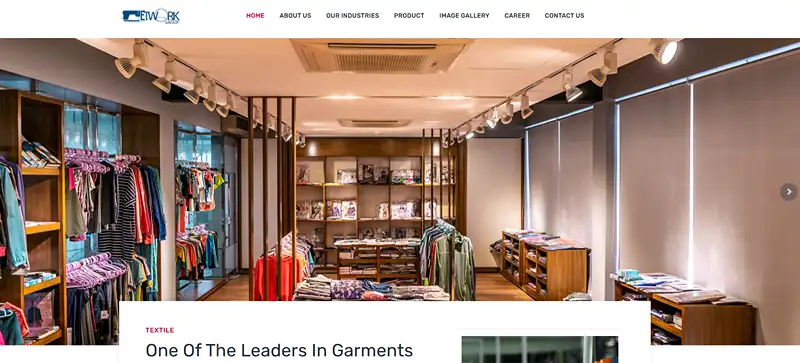
Large graphics can make a lightweight training shirt feel heavy or stiff. This is especially noticeable when the print covers the chest or back.
Network Group works with Coolmax, Top Cool, and polyester-spandex fabrics. Its printing unit offers water-based, rubber, and plastisol methods. Each creates a different finish, so the printing method should match the fabric and artwork.
For a breathable running top, we would favor a softer, lighter print over a thick rubber finish. Network Group deserves a place on the shortlist for printed training shirts and teamwear. Brands using large graphics should confirm the print’s hand feel and breathability on their chosen fabric.
5. Turag Garments & Hosiery Mills
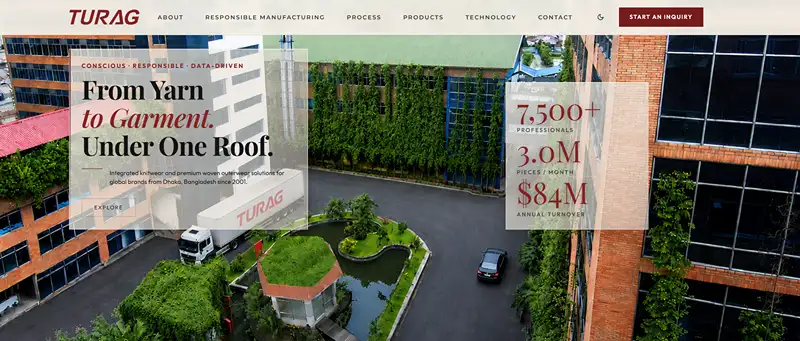
Turag’s product gallery includes activewear tops, bottoms, outdoor jackets, and Muay Thai clothing. Its factory profile also lists fleece garments and knitted bottoms.
The Muay Thai category is an interesting detail. Unlike basic gym wear, combat sports clothing must allow kicks, deep lunges, and fast changes in direction. That makes garment construction and movement requirements more demanding.
Turag is worth exploring for brands sourcing training wear alongside sport-specific apparel. However, its public product gallery does not confirm large-scale production experience in Muay Thai clothing. For a brand developing competition or training gear, proven production examples in that category would carry more weight than a general sportswear portfolio.
6. Fakir Garments Ltd.
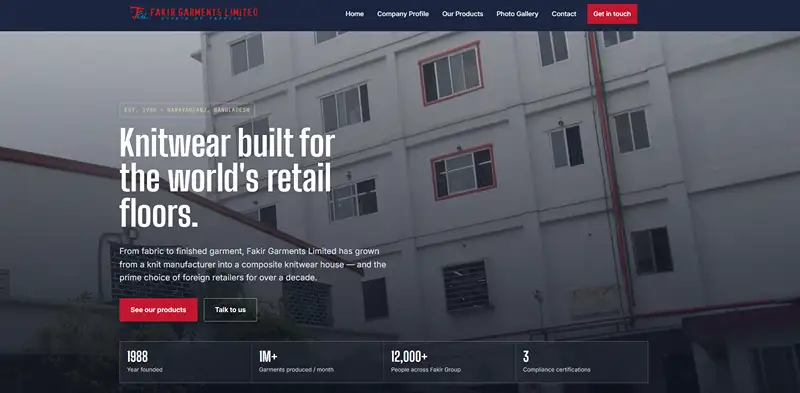
Fakir Garments produces T-shirts, sweatshirts, and sweatpants through its composite knitwear manufacturing setup. This makes it a potential supplier for brands developing matching athleisure collections.
A detail we pay attention to is color matching across different fabrics. A cotton T-shirt and a fleece sweatshirt can look different even when both use the same color reference. For matching sets, compare finished fabric colors side by side instead of approving each lab dip separately.
Its public information does not confirm whether multiple styles can be managed under one order. That is worth clarifying before assigning an entire collection to the factory.
7. DBL Group
DBL Group’s 2022 sustainability report describes barcode-based fabric tracking and digital production monitoring in its knitting division. Its 2024 report also mentions digital material records.
For large activewear orders, we pay attention to what happens when fabric production falls behind schedule. A tracking system is useful only if the team can identify the affected batches and update the sewing plan before delays spread.
DBL is worth shortlisting for larger knit sportswear programs where production visibility matters. During supplier discussions, ask for an example of how a delayed fabric batch is handled. The response should show who identifies the delay, who updates the production plan, and when the buyer is informed.
8. Ananta Group
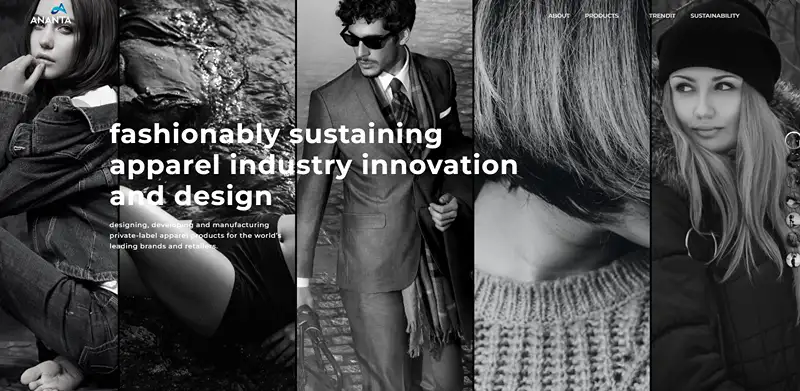
Ananta Group’s Z&Z Intimates factory uses laser cutting, ultrasonic cutting, bonding, and seam sealing for activewear. These processes make it a sportswear manufacturer in Bangladesh with specialized capabilities in bras, fitted garments, and bonded apparel.
Bonded construction can reduce bulky seams in sports bras and leggings. But we pay close attention to where bonding is used. A bonded edge that works on a bra cup may not be suitable for an area that stretches heavily during exercise.
Ananta is a useful candidate for brands developing sports bras with molded cups or low-profile seams. For a custom design, the key question is which parts should be bonded and which still need stitching. That choice affects comfort, construction, and the final appearance.
9. Esquire Group
Esquire Group’s design studio uses CLO software for 3D garment development. Its team also includes pattern designers and R&D staff. L’Esquire offers several construction methods for activewear, including seamless, bonded, and sewn designs.
For brands still developing their first collection, this combination is useful. A 3D design can help review proportions and design details before making a physical sample. But it cannot confirm how a sports bra supports the body during exercise.
I would use Esquire’s design support to compare construction options early in development. The important question is whether the factory can turn those decisions into an approved pattern and a physical sample. Buyers should also confirm whether this support is available for their specific order.
10. Mars Sportswear Ltd.
Mars Sportswear’s experience goes beyond basic knitwear. A 2017 BGMEA report linked the factory to H&M activewear production and described its use of specialized sewing equipment for stretch garments.
That production history gives us a reason to take Mars seriously for technical sportswear orders. It suggests experience with international brand requirements, although the report does not show which garments Mars produced or how those orders were managed.
The missing piece is recent production evidence. I would ask Mars to show current sportswear styles made with its specialized sewing equipment. A past brand project is useful, but recent work provides a better basis for judging whether the factory fits a new order.
What Can Go Wrong When Sourcing Sportswear in Bangladesh?
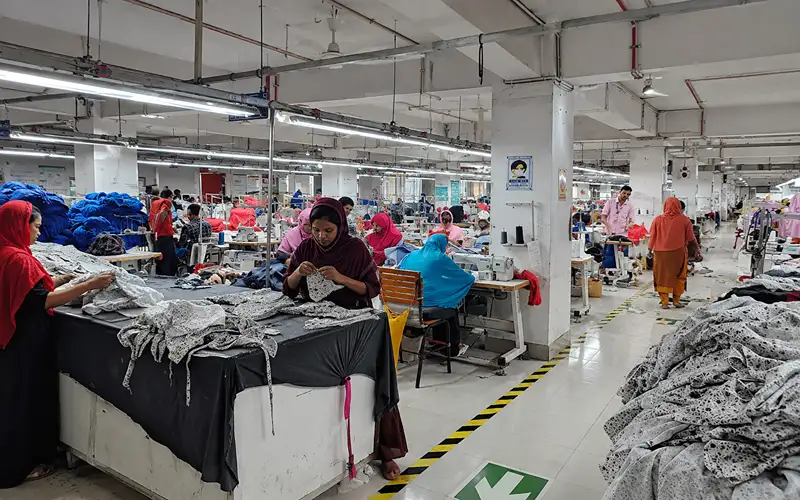
Bangladesh has a large knitwear industry, but producing cotton garments and technical sportswear requires different skills. Buyers sourcing activewear here should pay close attention to stretch-fabric construction, custom fabric availability, and responsibility across production stages.
A Knitwear Factory May Not Handle High-Stretch Activewear
A factory producing cotton T-shirts may struggle with nylon-spandex leggings. Stretch fabrics need careful handling during cutting and sewing. Poor tension control can leave seams wavy or restrict movement. ASTM D6193 also identifies stitch type, seam construction, and thread tension as important factors in seam performance.
We look beyond the factory’s product catalog. Ask to examine a recent sample made with similar fabric and construction. Check the seams while the garment is stretched, not just when it lies flat. This gives a clearer view of the factory’s actual sewing ability.
Fabric Availability Can Limit Custom Development
A brand may request compression fabric with a specific weight, stretch level, and finish. The factory may offer a similar stock fabric instead of developing the requested material.
That difference matters. A substitute can change the fit, compression, or feel of the finished garment. Before starting samples, confirm whether the factory can source the specified fabric or only offer an existing alternative. A custom garment design does not always mean custom fabric development.