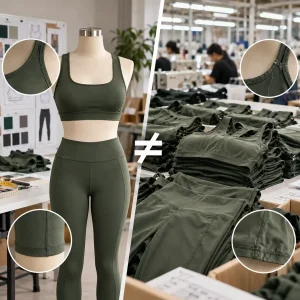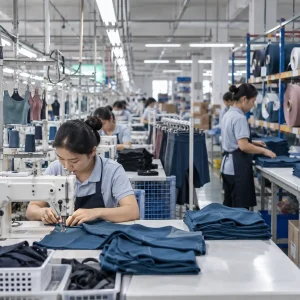
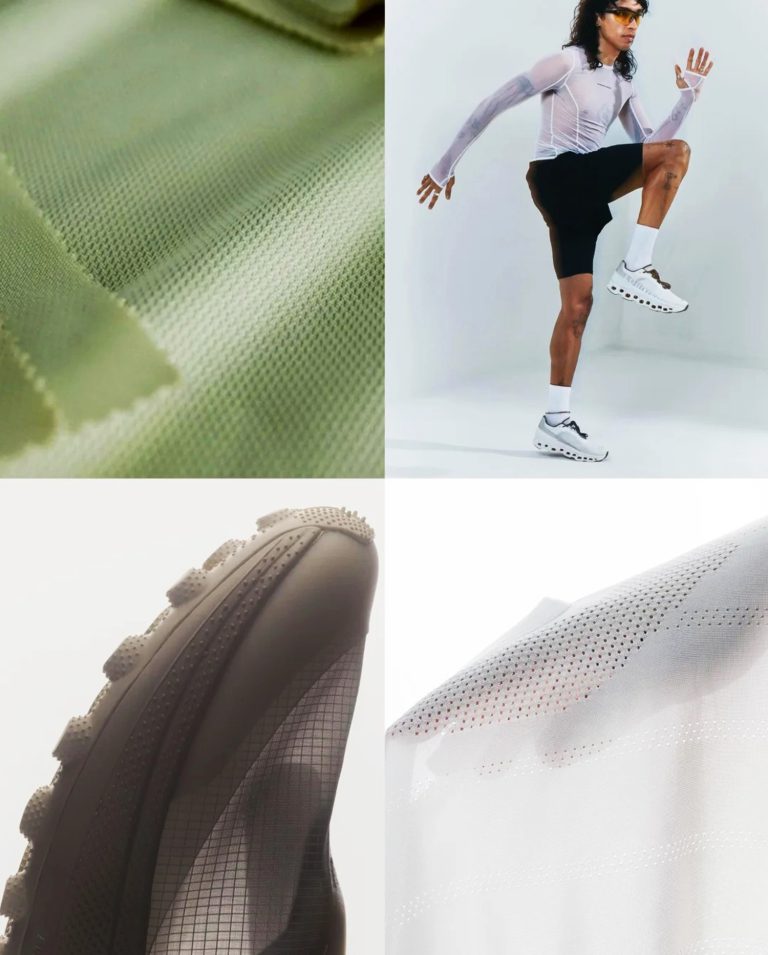
As the sportswear industry undergoes a green transformation, major brands’ exploration of eco-friendly materials and processes is not only reshaping supply chains but also offering practical insights for us as apparel manufacturers. In its recently released 2024 ESG Report, ANTA Group outlined its latest progress in sustainable materials, low-carbon production, and product innovation. For our factory, which specializes in sportswear manufacturing, this report sheds light on the direction of future development and reinforces the eco-conscious practices we are gradually implementing.
Towards Carbon Neutrality by 2050: A Shared Vision Reflected in the “1+3+5” Blueprint
ANTA’s sustainable development framework—“1 Carbon Neutral Goal + 3 Strategic Pathways + 5 Key Actions”—aims to achieve full carbon neutrality by 2050. As a manufacturing partner, we are also highly committed to carbon footprint management. From fabric sourcing and energy-efficient production to material recycling, we are actively pursuing our own low-carbon transformation.
We are in the process of adopting third-party mechanisms such as ISO 14064 greenhouse gas verification, with the goal of establishing a company-wide emissions accounting system. This supports downstream clients’ increasing demand for transparency, especially regarding Scope 3 emissions.
15 Green Materials & Eco-Friendly Technologies Worth Learning From
The ANTA 2024 ESG report highlights 15 representative innovations in sustainability, ranging from material substitution to process reengineering. These serve as valuable references and inspiration across the apparel industry:
- Plant-Based Dyeing
Natural dyes extracted from plants replace traditional chemicals, reducing water pollution and energy usage while delivering a warm, earthy aesthetic.
- Chitosan Antibacterial Treatment
Derived from shrimp and crab shells, this natural antibacterial agent is safer and more sustainable than traditional metal-based treatments. - rPET Recycled Polyester
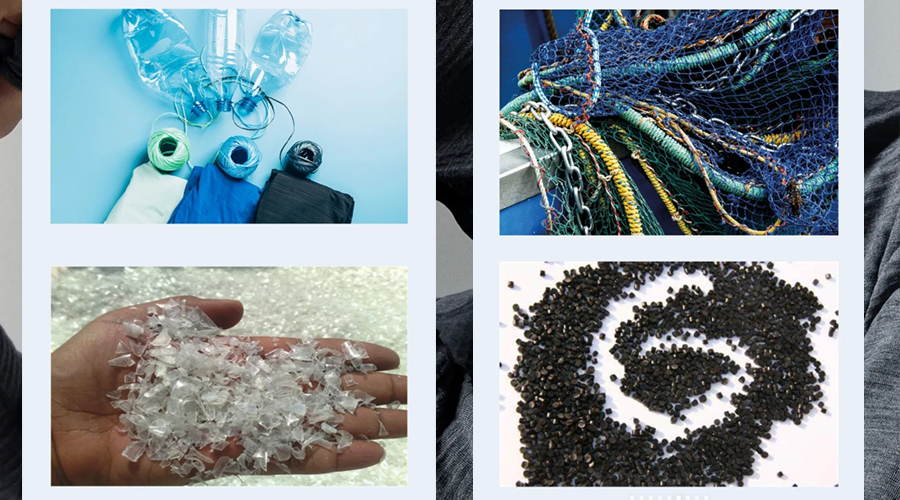
Widely used in mesh uppers and performance tees, this fiber is produced from recycled plastic bottles, significantly reducing carbon emissions. - Bio-Based EVA Foam
Made from plant sources like sugarcane, this material partially replaces petroleum-based EVA, reducing fossil resource consumption while maintaining cushioning. - Compostable Polyester (CELYS™)
This breakthrough fiber decomposes naturally within six months under industrial composting conditions, offering a greener option for performance wear. - Eco-Fiber by ECOVERO®
Derived from certified sustainable forests, these fibers biodegrade in water, soil, and marine environments, minimizing environmental impact. - TENCEL™ Modal
Combines low-energy production with carbon neutrality. Known for its softness, it is ideal for intimate and lifestyle sportswear. - Recycled Nylon
Created by melting down post-consumer nylon fabric, this material supports circular use in elastic textiles and footwear components. - Sorona® Bio-Based Elastic Fiber
Fermented from corn sugar, this alternative to petrochemical elastomers brings sustainable stretch to performance wear. - RDS-Certified Down
Ensures animal welfare and environmental compliance. Over 95% of down in brands like FILA and DESCENTE is now RDS-certified. - Bio-Based Water Repellents
Derived from renewable sources rather than petrochemicals, these fluorine-free coatings are ideal for jackets and outerwear. - LWG-Certified Eco-Leather
Made using leather from tanneries certified at the highest level by the Leather Working Group, ensuring reduced water and chemical usage. - Undyed Manufacturing
Garments are made using natural-colored recycled yarns, skipping the dyeing process to significantly reduce water and carbon consumption.
- Carbon-Capture-Based Materials
Some garments incorporate materials made from captured industrial CO₂, as seen in ANTAZERO outerwear—literally “wearing” carbon reduction. - Inventory Upcycling
Surplus garments are reimagined and remanufactured into new designs. In 2024 alone, over 200 kg of fabric has been successfully reused.



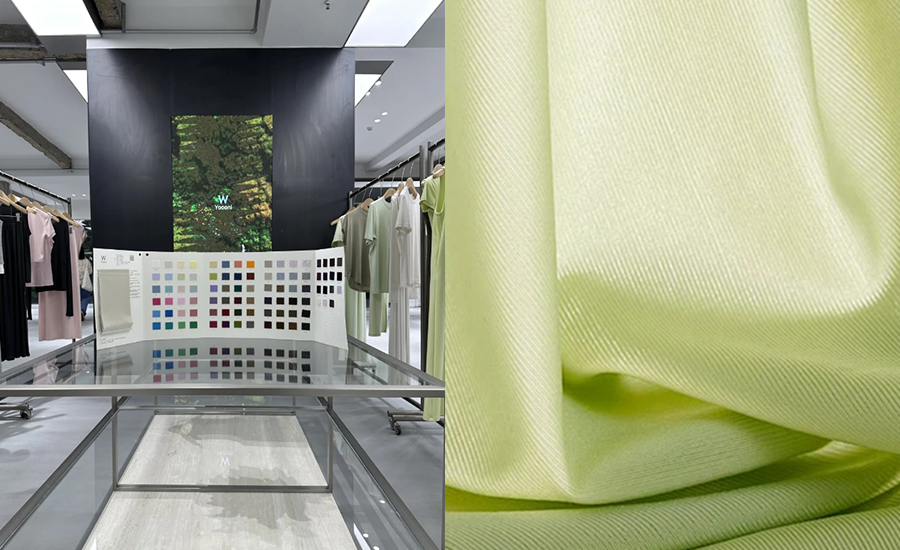

Sustainability Is the Starting Point of Innovation—Not the End Goal
Today, eco-friendly materials are not just a cost factor—they are an integral part of product value. We encourage our clients to integrate sustainability into the design process from day one. Whether it’s incorporating recycled fabrics, choosing bio-based elastomers, or exploring low-impact dyeing, we offer:
- Material traceability consulting
- Carbon footprint assessments
- Environmental performance testing
All designed to help brands boost their “green content” and test its commercial viability in the market.
Sustainability Is a Shared Responsibility Across the Supply Chain
As an industry leader, ANTA has demonstrated strong responsibility and execution in green manufacturing. As apparel manufacturers, we are equally committed to playing our role in this movement. From material selection and process control to design improvements and inventory reinvention, we believe that a truly sustainable future for apparel must come through collaboration across the entire value chain.
If you’re a brand committed to sustainability and looking to create differentiated, eco-conscious sportswear, we invite you to connect with us. We’re ready to support you with green solutions from material sourcing to finished product delivery—working together to drive the sustainable transformation of the sportswear industry.