
In today’s high-performance sportswear industry, fabric technology has become a core battleground for brand competition. An outstanding sportswear piece is a perfect fusion of design aesthetics and materials science, directly impacting athlete performance and experience. This article will systematically analyze mainstream functional fabrics and guide you on how to accurately select materials for your brand, ultimately revealing a complete solution from concept to finished product.
I. Detailed Explanation of Core Functional Sports Fabrics
-
Moisture-wicking Fabric: The Foundation of Dryness

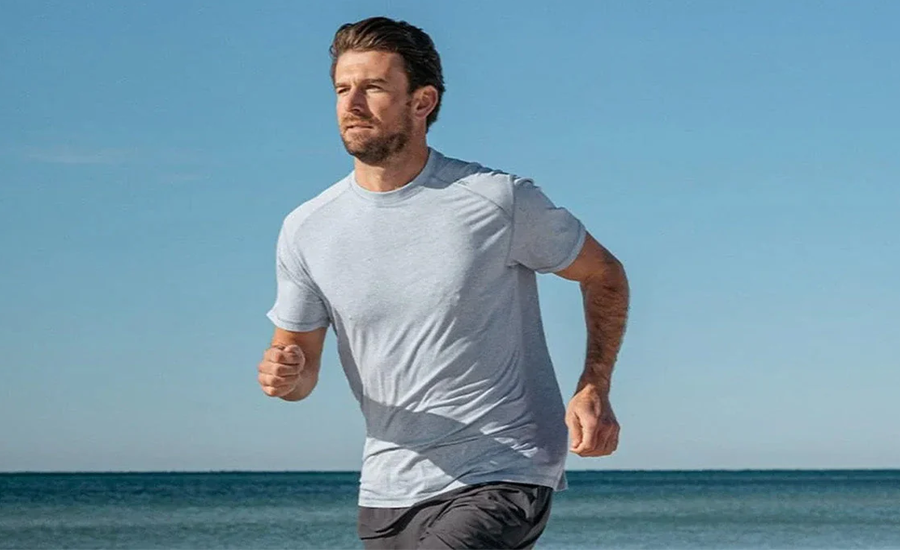
- Functional Principle: Utilizing the capillary effect of fibers, liquid sweat from the skin’s surface is quickly absorbed and diffused to the outer layer of the fabric. By increasing the evaporation surface area, rapid drying is achieved, preventing clothing from feeling damp, cold, and sticky, and maintaining a comfortable body temperature.
- Key Technologies: Irregularly shaped cross-section (cross-shaped, C-shaped) polyester fibers, special polypropylene fibers. Technical labels such as Coolmax.
- Suitable Scenarios: Suitable for all sweat-prone sports, such as running, fitness, and ball sports, as the base layer of clothing.
-
Waterproof and Breathable Fabric: The Protective Layer for Outdoor Adventures

- Functional Principle: Through physical micropores (pore size smaller than water droplets but larger than water molecules) or hydrophilic chemical groups, it blocks external rainwater while wicking away sweat and moisture.
- Key Technologies: ePTFE laminated film (such as Gore-Tex), TPU coating, high-density weaving.
- Suitable Scenarios: Outer protective gear for all outdoor sports such as mountaineering, skiing, and hiking.
-
Compression Support Fabric: A Second Skin and Muscle

- Functional Principle: By providing scientifically calculated progressive pressure, it promotes blood circulation, reduces energy loss and fatigue caused by muscle vibration, and accelerates post-exercise recovery.
- Key Technologies: High-elasticity, high-resilience spandex (Lycra) blended with nylon/polyester.
- Suitable Scenarios: Compression clothing, sports recovery gear, suitable for high-intensity training such as marathons and fitness.
-
Antibacterial and Odor-Resistant Fabric: Guaranteed Long-Lasting Freshness
- Functional Principle: Built-in antibacterial agents (such as silver and zinc ions) disrupt the cell structure of bacteria, inhibiting their reproduction and fundamentally preventing odors from sweat decomposition.
- Key Technologies: Antibacterial masterbatch embedded in the fiber, post-processing technology.
- Suitable Scenarios: Sportswear worn for extended periods, such as underwear, socks, and team uniforms.
-
Temperature-Regulating Fabric: Intelligent Microclimate Management

- Functional Principle: Actively intervenes in body surface temperature. The warming type reduces heat loss by reflecting far-infrared rays from the body; the cooling type utilizes phase change materials (PCMs) to absorb or release heat at specific temperatures.
- Key Technologies: Far-infrared ceramic particles, PCM microcapsules, mineral fibers.
- Suitable Scenarios: Winter training clothing (warmth), summer sportswear (cooling), extreme environment gear.
-
Elastic Stretch Fabric: Freedom of Movement
- Functional Principle: Provides excellent stretch and shape retention, ensuring the garment returns to its original shape after repeated stretching, accommodating various large movements.
- Key Technology: The addition of spandex, typically 5%-20%, blended with nylon or polyester.
- Suitable Scenarios: Yoga, Pilates, dance, and any sportswear requiring freedom of movement.
-
Protective Fabric: Professional-Grade Safety Barrier
- Functional Principle: Provides additional protection against specific environmental risks.
- Key Technologies: UV Protection (UPF) finishing, abrasion-resistant high-denier nylon (such as CORDURA) weaving, flame-retardant treatment.
- Suitable Scenarios: Trail running (abrasion resistance), beach sports (sun protection), certain competitive sports (flame retardant).
II. How to choose the right fabric for your sports brand?
Understanding fabric characteristics is fundamental, but precisely matching them with brand positioning, target users, and sports scenarios is the key to success. Below is our professional material selection guideline:
-
Target Sports Scenarios
- High-Intensity Aerobics (Running/Fitness): Moisture wicking is key, combined with elasticity, stretch, and antibacterial/odor-resistant properties to create a comfortable and breathable inner layer.
- Outdoor Adventure (Mountaineering/Skiing): Waterproof and breathable fabrics are preferred for the outer layer, while the inner layer needs to combine temperature regulation and moisture wicking to build a complete protective system.
- Yoga/Pilates: Strive for ultimate elasticity and a skin-friendly feel, while also emphasizing the fabric’s drape and aesthetic appeal.
- Team Sports (Basketball/Soccer): Requires moisture wicking, high elasticity, and additional attention to abrasion and tear resistance.
-
Balancing performance, cost, and positioning
- High-end Professional Line: Utilizing cutting-edge technical fabrics such as Gore-Tex and Coolmax, emphasizing ultimate performance and brand endorsement.
- Cost-Effective Mass Market Line: We offer a wide range of high-performance, cost-optimized alternative fabrics, helping you control costs without sacrificing core user experience.
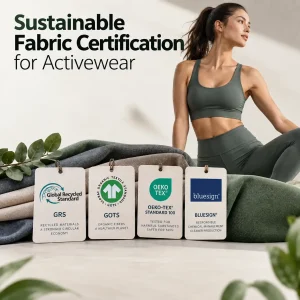
- Eco-friendly and Sustainable Line: We strongly recommend and maintain a substantial inventory of eco-friendly fabrics such as recycled polyester (rPET) and organic cotton to meet the market’s growing demand for green products.
-
Emphasize user experience and visual presentation
- Hand feel and drape: The hand feel (softness, smoothness) of the fabric and the drape of the finished garment directly affect the consumer’s first impression and wearing experience.
- Color and dyeing: Selecting easily dyeable fibers and determining appropriate dyeing processes (reactive dyeing, digital direct-to-garment printing, etc.) ensures that the design is perfectly reproduced.
-
Durability and Care: Maximizing Fabric Performance and Lifespan
The durability of functional fabrics depends not only on fiber strength but also on proper care. Providing your customers with clear care guidelines is crucial for maintaining your brand reputation.
Key Care Tips for Different Fabrics:
- Waterproof and Breathable Fabrics:Avoid dry cleaning and fabric softeners, as these can clog the micropores of the membrane or damage the coating. We recommend a gentle machine wash with a neutral detergent on low heat, air drying, and occasional ironing (on low heat) with a professional water-repellent restorer to restore performance.
- Elastic Fabrics:Avoid bleach and high-temperature ironing, as these can permanently damage spandex fibers, leading to loss of elasticity. Cold water washing and hanging drying are the best options.
- Antibacterialand Odor-Resistant Fabrics: While built-in antibacterial properties are generally wash-resistant, post-treatment properties weaken with repeated washing. Following proper washing instructions can extend their effectiveness.
- Temperature-Regulating Fabrics (e.g., PCM):Avoid high-temperature tumble drying and vigorous wringing to prevent damage to the microcapsule structure.
General Care Instructions (can be used as care label information for your products):
- Washing: Use cold water on a gentle cycle, and zip up all zippers to avoid scratching the fabric.
- Detergent: Use a neutral detergent; avoid using bleach and fabric softener.
- Drying: Air drying is recommended. If machine drying is necessary, be sure to select a low temperature setting.
- Ironing: Avoid ironing if possible. If ironing is necessary, use the lowest temperature setting and avoid direct contact with the fabric (you can place a cloth underneath).
III. From Fabric to Brand: Why Choose Luckpanther ?
Choosing the right fabric is only the first step. Transforming rolls of fabric into high-quality garments that perfectly reflect your brand’s value requires an experienced and versatile manufacturing partner. This is precisely where luckpanther’s value lies.
We are not just a manufacturer, but your strategic partner from fabric to brand.
- Professional fabric experts and a vast inventory: We possess a continuously updated library of high-performance fabrics containing hundreds of samples. Our technical consultants are not just buyers, but also your fabric advisors, providing you with the best material selection advice based on market insights and cost optimization.
- End-to-End Service from Concept to Finished Product:
- Joint R&D: We collaborate with fabric suppliers to develop exclusive, customized fabrics for you, building a competitive advantage for your brand.
- Precise Sampling: We provide fast and accurate sampling services, allowing you to visually experience the finished product before mass production.
- Lean Manufacturing: We possess professional cutting, seamless sewing, and lean management production lines, ensuring that every process meets high standards.
- Strict Quality Control: From incoming fabric inspection to final product inspection, we have established a rigorous quality control system to ensure that every product delivered to you is trustworthy.
- Committed to Mutual Growth:We believe in long-term partnerships with brands. We are willing to explore market trends with you, optimize product lines, and help your brand stand out in the fierce market competition.
Take action now and co-create a blockbuster!
Whether your idea is top-of-the-line outdoor gear or the next training apparel to sweep the market, Luckpanther is ready to fight alongside you.