How Do Seams Affect Garment Fit and Durability?
Seam construction affects how a garment stretches, feels, and holds up during wear. We focus on four areas when reviewing samples.
Stretch and Recovery
A seam needs enough stretch for the garment’s intended movement. Poor fabric recovery or incorrect sewing tension can leave seams wavy after stretching. During fitting, stretch the seam and check whether it returns to its original shape.
Seam Strength
Crotch, underarm, and side seams face repeated stress during wear and washing. Weak thread or unsuitable stitch settings can cause seams to split. Test seam strength using the actual production fabric and approved stitching method. You can also refer to Coats’ seam quality guide for an overview of seam strength and slippage.
Comfort and Friction
Bulky seam allowances, exposed edges, and stiff thread can irritate the skin. Check high-contact areas during wear testing, especially where seams press against the body during movement.
Garment Appearance
Puckering, wavy edges, and uneven stitch lines are easy to spot on smooth or lightweight fabrics. Check the finished garment under normal lighting and compare both sides of the seam for consistent stitching and a flat finish.
6 Common Types of Seams Used in Clothing
These 6 seam types cover a range of everyday clothing and technical sportswear. Their construction, applications, and limitations differ depending on the fabric and garment design. For standardized seam classifications and terminology, refer to ISO 4916.
1. Plain Seam
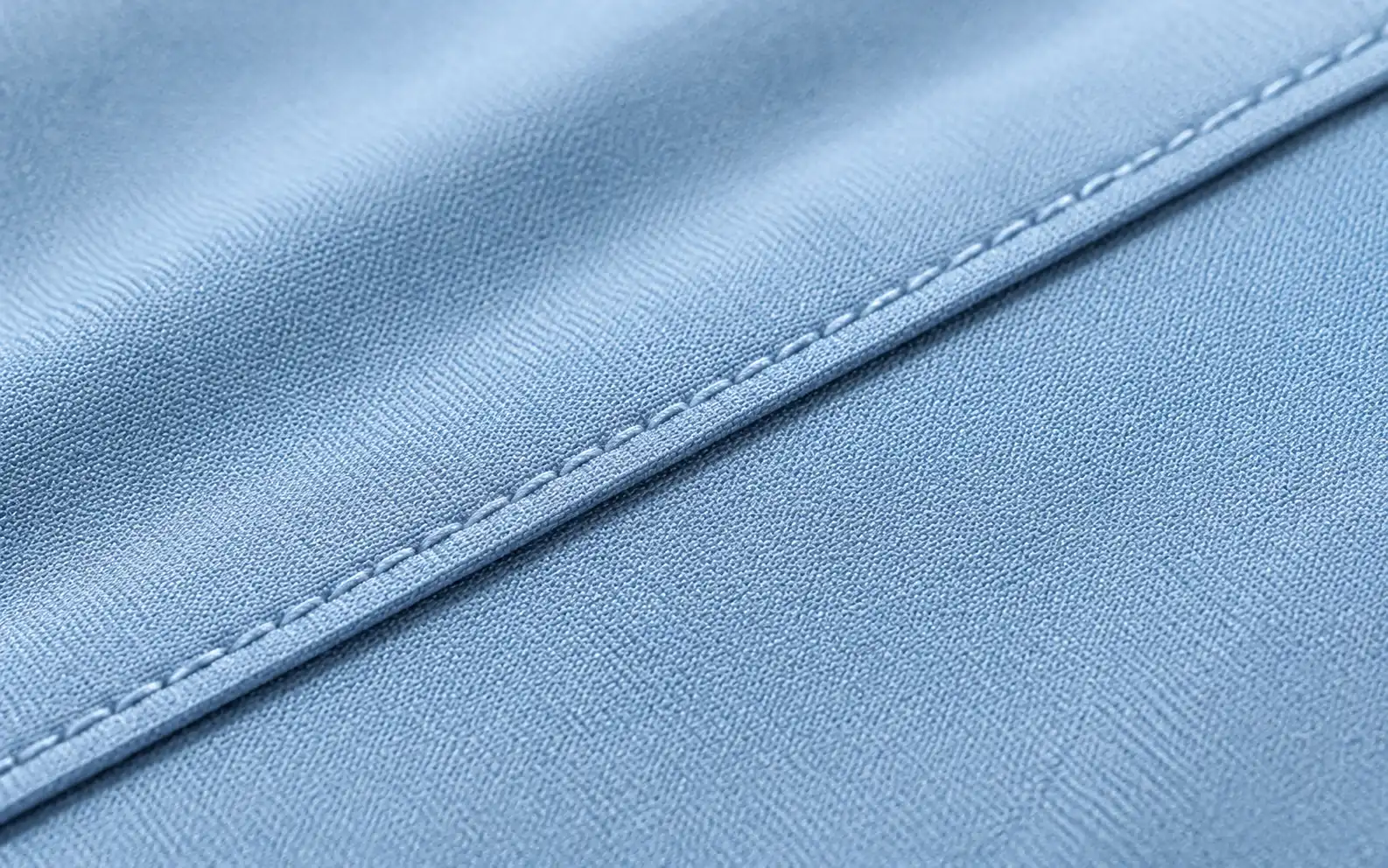
A plain seam joins two fabric panels with right sides facing. The seam allowance is then pressed open or to one side.
It is commonly used for shoulder seams, side seams, and panel joins in shirts, skirts, and trousers. It is simple to sew and creates a clean seam line on woven fabrics.
On high-stretch knits, a standard straight stitch may break when the garment is pulled on. We have seen sample shoulders open at the neckline for this reason. A narrow zigzag or stretch stitch provides more seam extension. Clear elastic tape can also stabilize shoulder seams and help prevent them from stretching out.
Plain seams also leave raw edges that may need an overlock finish to prevent fraying.
2. Overlock Seam
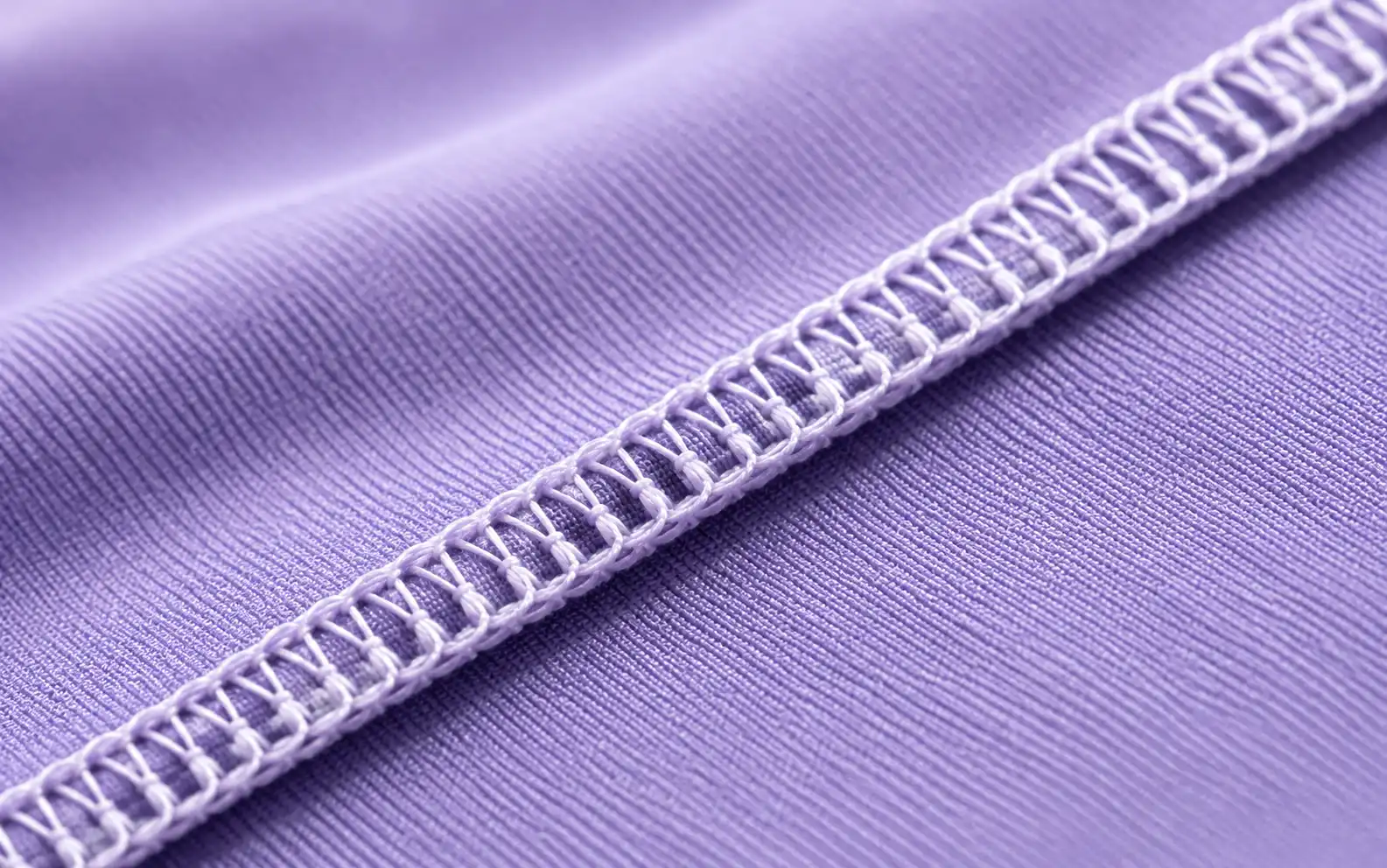
An overlock seam joins fabric panels while wrapping the raw edges in thread. It combines seaming and edge finishing in one operation, making it common in knitwear production.
You will find it on leggings, T-shirts, and many sportswear seams. Its looped stitches allow the seam to stretch with the fabric, provided the thread and stitch settings are suitable. For a closer comparison of overlock and multi-needle stitching, see our guide to four-needle six-thread stitching for activewear.
Stitch density and thread tension both affect seam quality. Too few stitches may reduce seam strength, while excessive tension can cause puckering or restrict stretch. Loose tension may leave uneven loops along the edge. For lightweight knits, we test different stitch settings on the actual fabric before bulk production.
Textured polyester or nylon thread is often used in the loopers to create soft, flexible seam edges on stretch fabrics. Check that the finished seam lies flat, with no loose loops or exposed raw edges.
3. Flatlock Seam
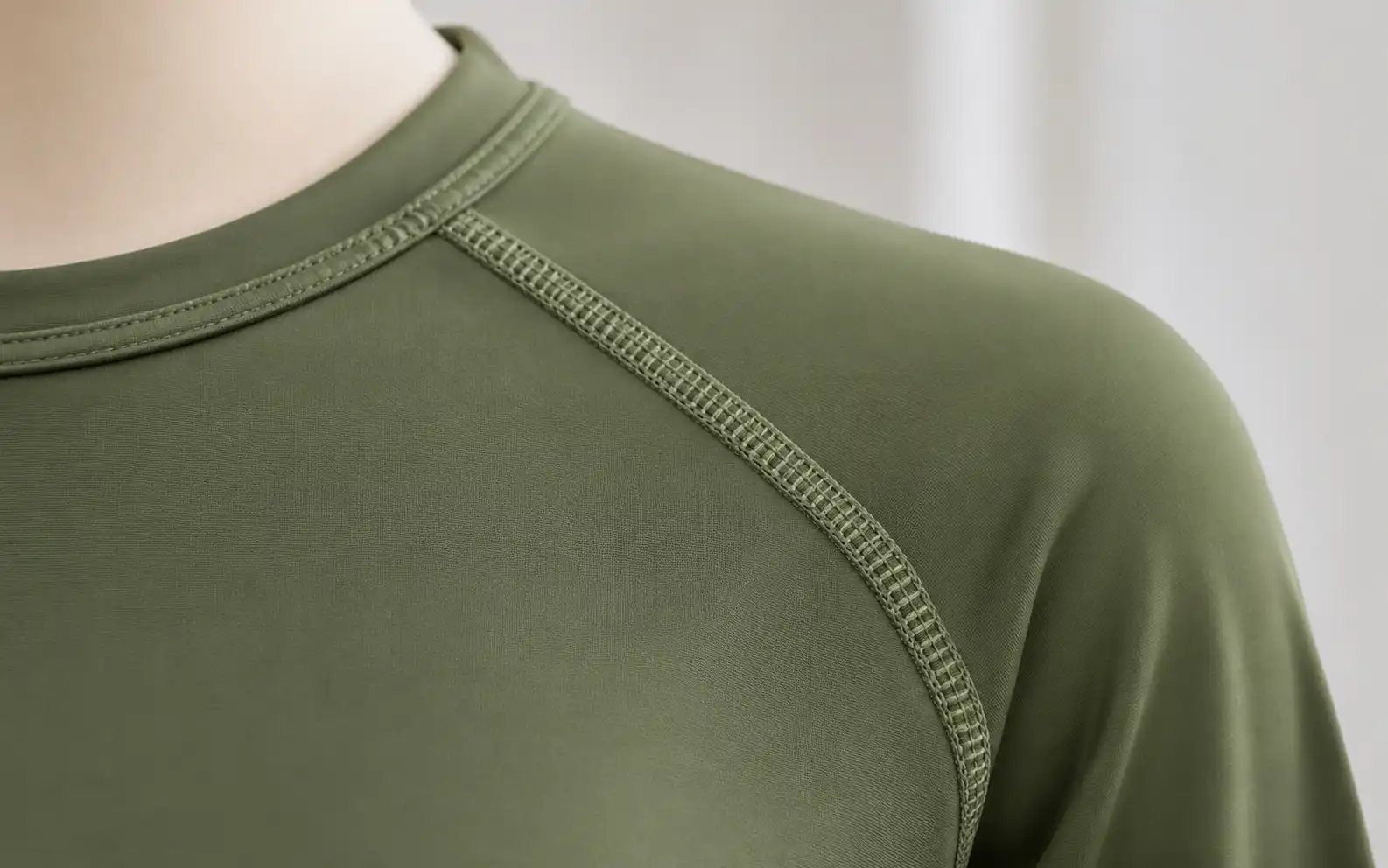
A flatlock seam joins fabric panels with a low-profile finish. Its flatter construction reduces ridges that can rub against the skin.
It is common on fitted sportswear, compression garments, and base layers. These garments stay close to the body for hours, so even a small ridge can cause discomfort.
Seam placement matters too. Inner thighs and underarms face repeated friction during movement. On shoulder panels, we may adjust the seam position to avoid pressure points under backpack straps.
Flatlock seams still need enough strength for the garment’s intended use. Poor stitch settings can cause gaps or broken threads under tension. On compression wear, we check the seam at its expected wearing stretch.
4. French Seam
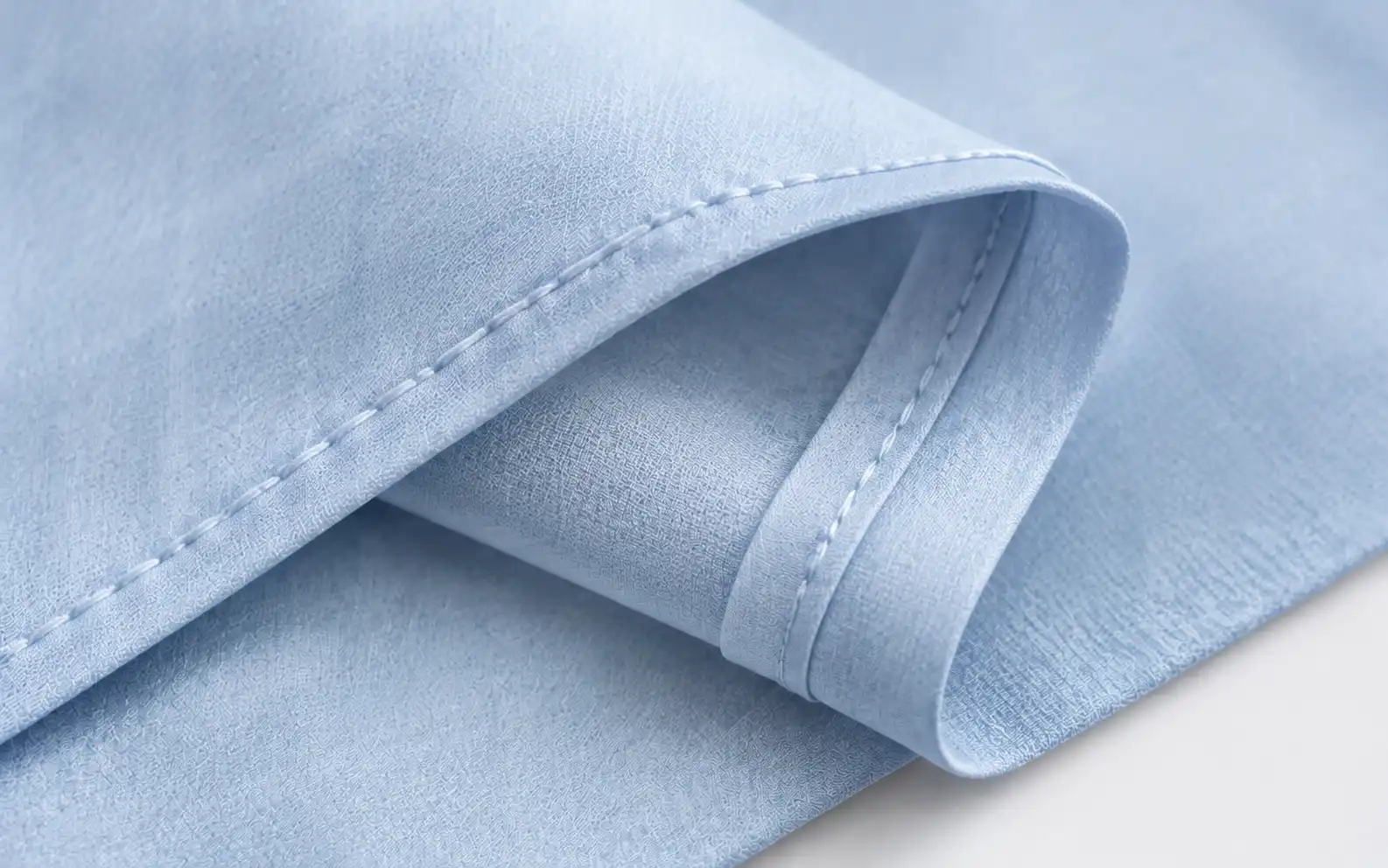
A French seam encloses the raw edges inside the seam allowance. The fabric is first sewn with wrong sides together. The seam allowance is trimmed, folded inward, and stitched again with right sides together, leaving a clean interior finish.
It works best on lightweight woven fabrics such as chiffon, silk, and thin cotton. On these fabrics, an overlocked edge may show through or add unwanted bulk.
The folded seam allowance adds thickness, making French seams less suitable for heavy fabrics or high-stretch knits. Accurate stitching also matters. If the first seam allowance is too wide, raw edges may show through the finished seam.
5. Flat-Felled Seam
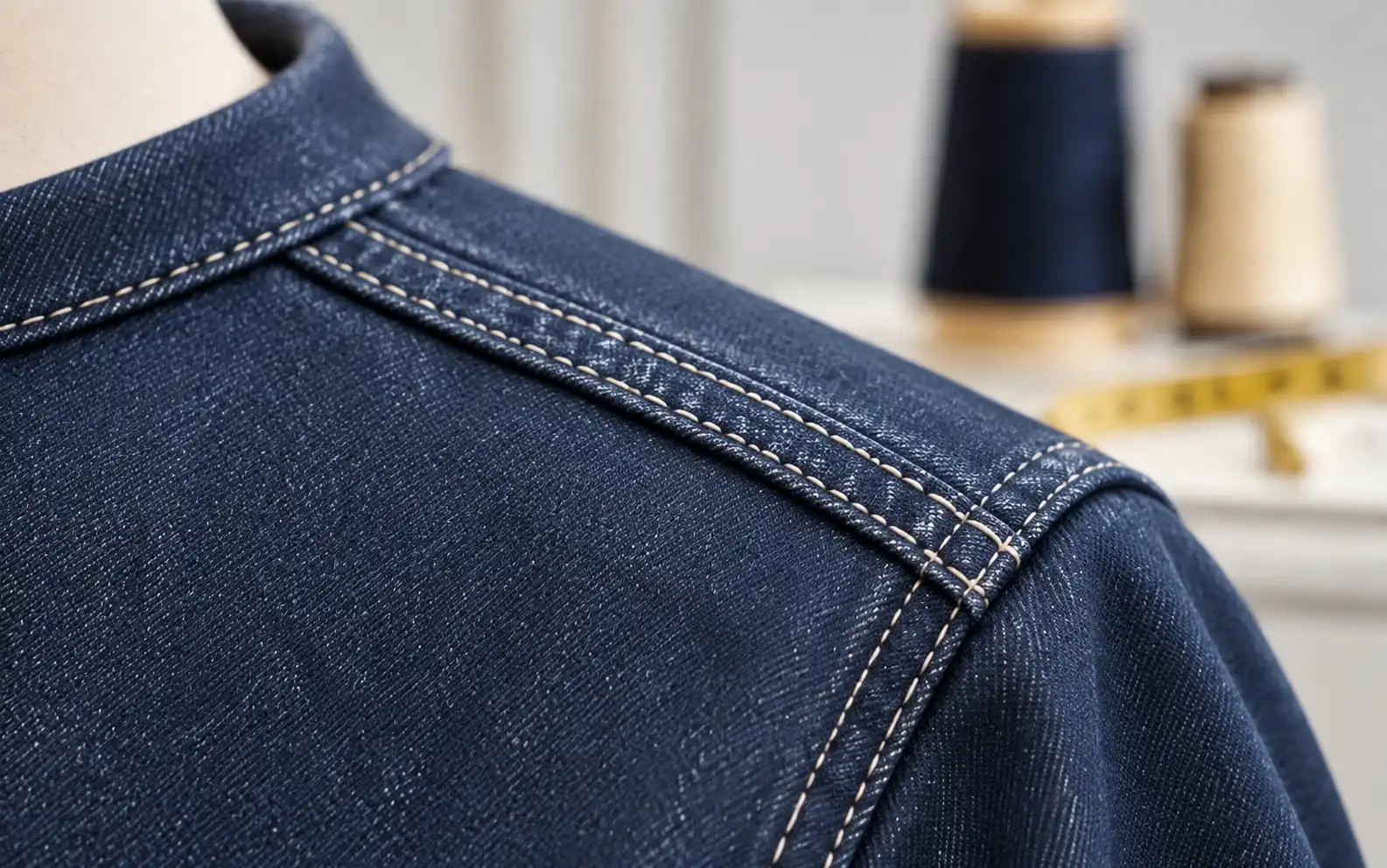
A flat-felled seam encloses the raw edges within a folded seam allowance, which is then stitched flat. This creates a durable construction with no exposed fabric edges.
It is commonly used on jeans, work shirts, and workwear, where seams face repeated pulling and washing.
The main challenge is bulk. Where several seams meet, such as the crotch or hem, the fabric layers can become thick and stiff. On heavy denim, we may trim excess layers or adjust the sewing sequence to keep these areas flat and even.
6. Bound Seam
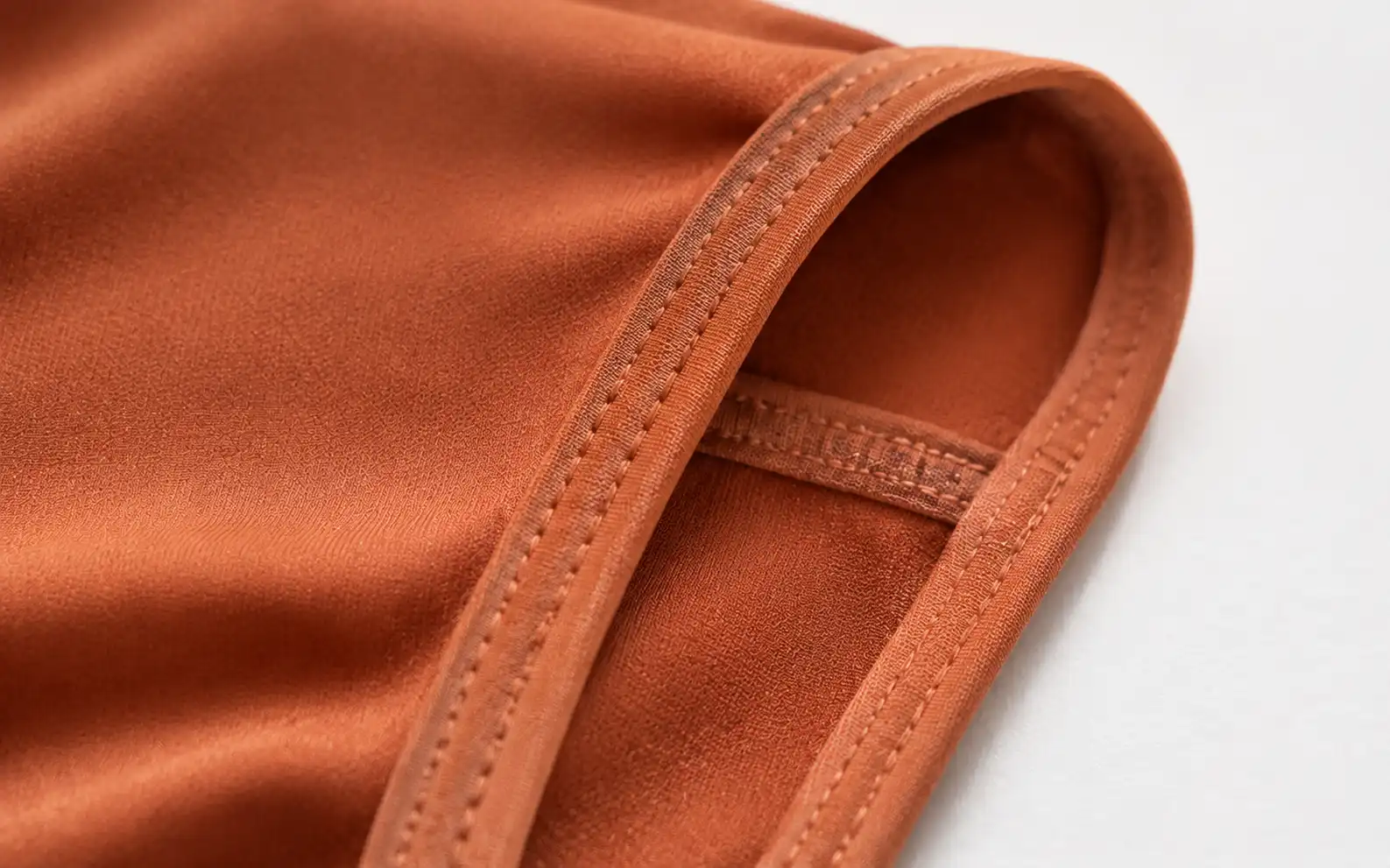
A bound seam uses a separate fabric strip to enclose the raw edges of a seam allowance. It creates a neat interior finish and can also add a decorative detail.
In activewear, a related edge-binding technique is widely used on sportswear necklines, armholes, and sports bra edges. It covers exposed edges and creates a clean finish against the skin.
Binding width and fabric stretch affect the finished result. A narrow strip may twist, while excessive tension can cause puckering or tight edges. Loose binding may leave a neckline gaping. For stretch knits, we choose the binding direction to match the fabric’s stretch. We adjust the sewing tension to prevent puckering or pulling.
Need custom seam details for your next activewear collection? LuckPanther can develop samples based on your designs, fabric choices, and construction requirements. Contact us to discuss your project and request a sample.
How to Choose the Right Seam for Different Types of Clothing
The right seam depends on the fabric, garment construction, and intended use. Use this table as a starting point for your tech pack.
Clothing Type | Common Seam Choice | Key Consideration |
Overlock / Flatlock | Stretch, recovery, and seam comfort | |
Overlock / Flatlock + Edge Binding | Support, edge stability, and skin friction | |
Workout T-shirts | Overlock / Plain | Seam flexibility and lightweight construction |
Compression Wear | Flatlock / Overlock | Stretch under tension and seam strength |
Woven Shirts | Plain / Flat-Felled | Seam appearance, edge finishing, and durability |
Lightweight Woven Tops | French / Plain | Fabric thickness and clean interior finish |
Three factors guide the choice:
Fabric Type: Match seam stretch to the fabric and its intended movement. High-stretch knits need flexible stitching, while stable wovens allow more structured seams. Check fabric weight and thickness before choosing the finish.
Garment Construction: Check where the garment faces the most tension or friction. Leggings may need a stronger crotch seam and a flatter finish along the inner thigh. A reliable sportswear manufacturer in China should account for these differences during product development.
Intended Use: Casual leggings and high-intensity training leggings may need different seam placement, stretch, and strength. These details also matter when developing wholesale activewear collections with multiple styles and performance requirements.
Coverstitch Note: Coverstitch is a stitch type commonly used for knit hems and cuffs, rather than a separate seam category in this guide. It provides a flexible finish and is often used alongside overlock seams.