Main Types of Sportswear
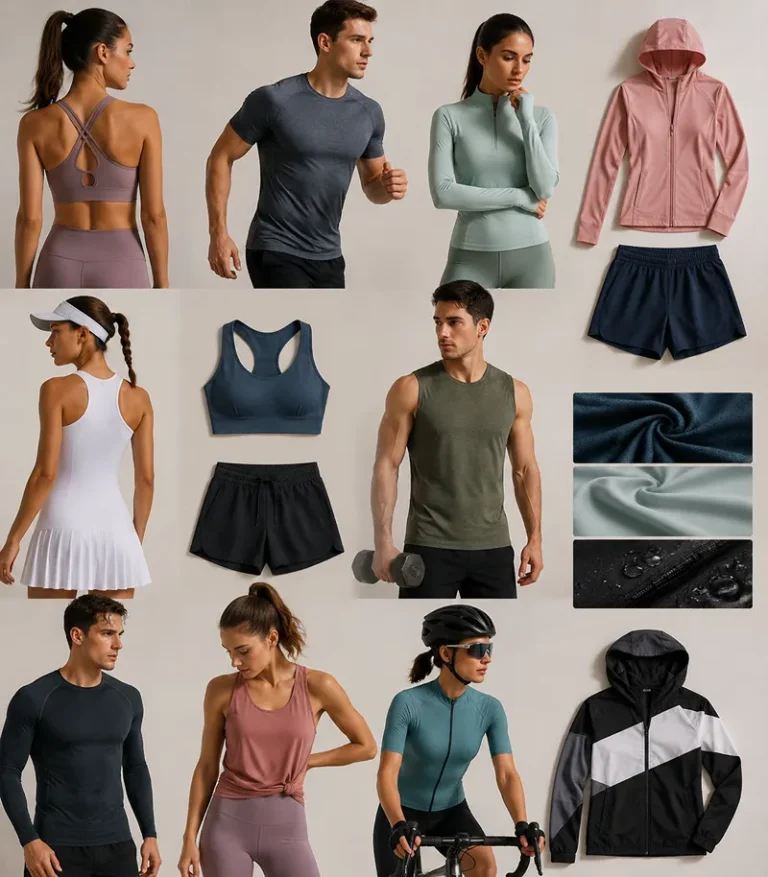
Ready to dive in? Let’s break down the main types of sportswear, one by one, so you know exactly what you’re ordering.
1. Performance/Training Wear
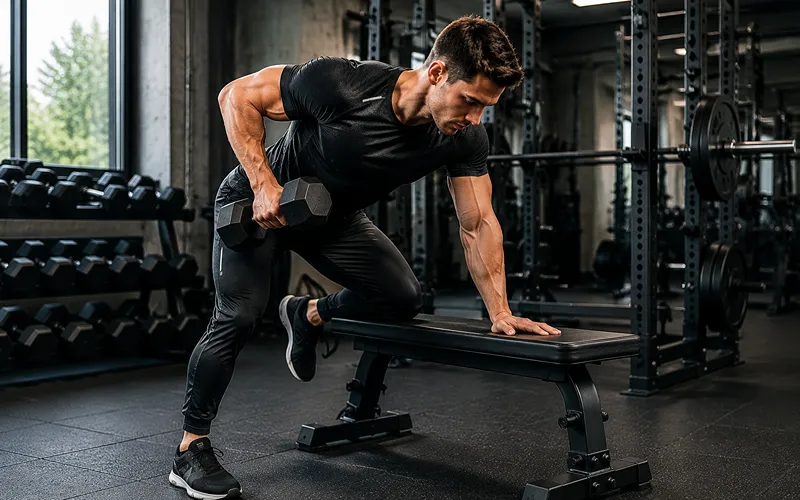
Performance wear covers leggings, tanks, and gym shorts. These pieces need to move with the body, not against it. No restrictions. No sagging mid-workout.
Most training wear uses 4-way stretch fabric with 15 to 20% spandex. That’s the sweet spot for stretch and recovery in activewear. At LuckPanther, we run a stretch and recovery check on every batch before it ships. We stretch the fabric. We hold it. Then we see how well it snaps back.
Construction matters too. Flatlock seams cut down on chafing. Laser cut edges do the same job. As a China leggings manufacturer, we always recommend a squat test on leggings samples. Cheap fabric goes see through under stretch. Good fabric doesn’t.
Want to go deeper on leggings specifically? Check out our guide on how to choose the right compression leggings.
2. Compression Wear
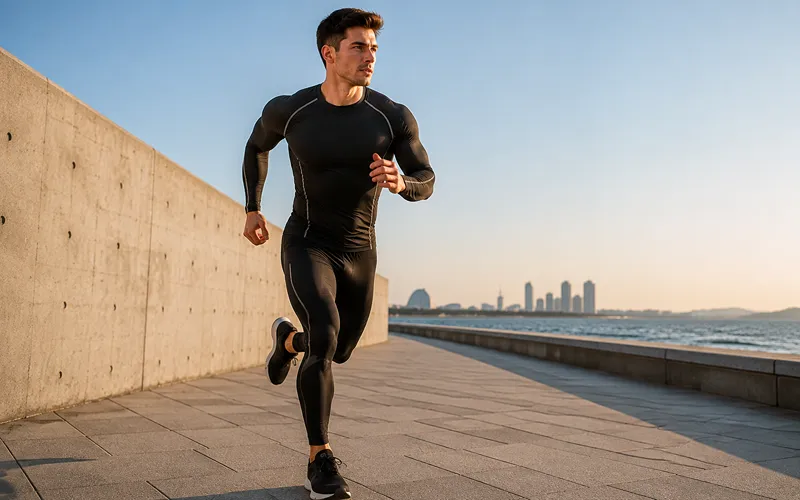
Compression wear does more than fit tight. It applies real pressure to the body, measured in mmHg. Most athletic compression gear sits between 18 and 30 mmHg, depending on whether it’s built for performance, recovery, or everyday support.
As a China sportswear manufacturer, we always test pressure levels with a proper gauge before mass production. We never guess based on fabric feel alone. Nylon spandex blends with 15 to 20% spandex content work best here. They hold their compression through repeated wear and washing.
The science backs this up too. A peer-reviewed meta-analysis on PubMed found that compression garments meaningfully reduce muscle soreness and support strength recovery after exercise. That’s exactly why brands keep asking us for this category.
3. Yoga & Studio Wear
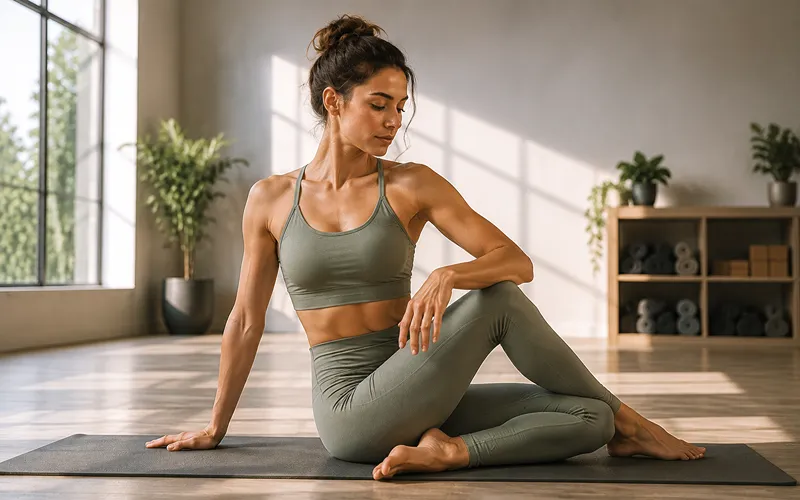
Yoga wear sits close to the skin. It needs to feel right. It also needs to hold up under stretch. It looks simple, but the details matter a lot.
Opacity is the biggest issue. Fabric can look fine standing still. Then it turns see through in a deep squat. We stretch the fabric across a dark background before we approve it. We check how much light comes through.
Skin safety is part of the picture too. These pieces sit against skin for long sessions. Many buyers now ask for OEKO-TEX certified fabric. This confirms the material passed independent testing for harmful substances.
These types of sportswear connect to bigger activewear trends 2027 buyers are watching. Multi-use pieces that move from studio to street keep growing in demand. Opacity and comfort now matter for daily wear, not just class time.
4. Running Apparel

Running apparel needs to handle sweat, friction, and low light. Small design choices make a big difference over long distances.
Reflective details matter more than most brands realize. Reflective placement at moving joints, like ankles and elbows, gives drivers roughly 2 times longer recognition distance compared to standard sports clothing. That’s not a small gap. It’s the difference between a driver spotting a runner early or too late.
Fabric choice matters too. Running tops need mesh panels at the back and underarms to release heat fast. For Sportswear tops for women, we often add longer back hems and flatlock side seams to stop chafing on long runs.
5. Outdoor & All-Weather Wear
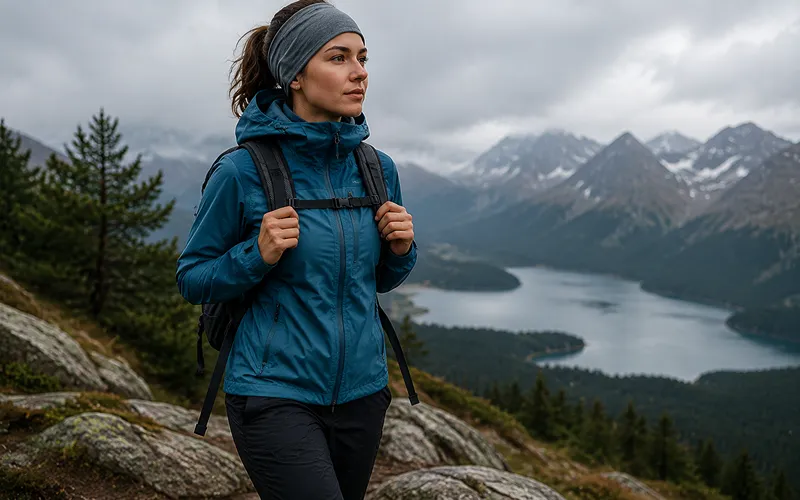
This category covers jackets, shells, and layers built for rain, wind, and cold. It’s more technical than most other types of sportswear. The fabric specs matter a lot here.
Waterproofing is measured by hydrostatic head. This is a test where water pressure pushes against fabric until it leaks. The rating is shown in millimeters. A fabric rated 5,000mm handles light rain. A fabric rated 20,000mm or higher holds up in heavy, sustained rain. This test method follows ISO 811. That’s the international standard for water penetration resistance.
At LuckPanther, we test every outdoor fabric batch against this standard. We do this before it goes into production. We also check seam taping closely. A great waterproof fabric can still leak at the stitch lines if the seam taping is poor. This is one of the most common mistakes we catch for new brands placing their first outdoor order.
6. Athleisure
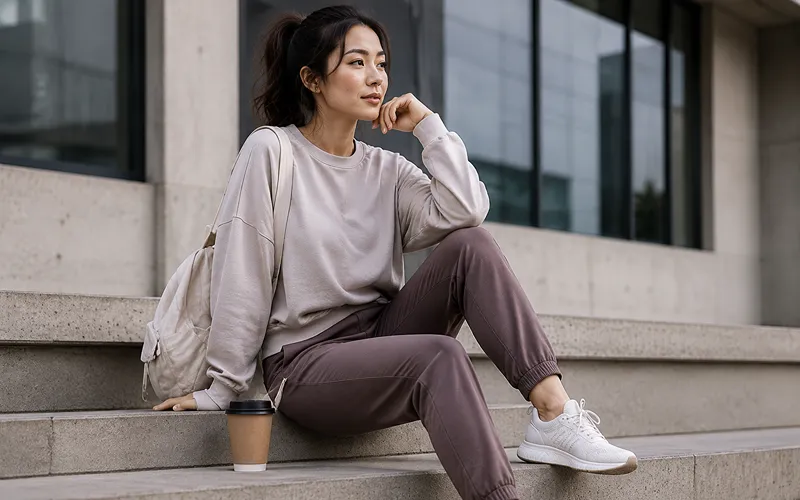
Athleisure blends gym wear with everyday clothing. Leggings that go from workout to errands. Hoodies that work for both. This category has grown fast in the past few years. T-shirts and leggings lead the sales.
Sportswear fabric choice also shifts for this category. It can’t just perform in the gym. It needs a softer hand feel. It needs richer color for daily wear too. Trim and hardware matter as well. Drawstrings, ribbed cuffs, and zipper pulls need to look clean. They shouldn’t feel bulky or too sporty.
As a sportswear factory, we run extra checks on colorfastness and pilling for athleisure pieces. These garments get worn and washed far more often than gym-only gear. They need to hold up over time.
7. Team & Fan Sportswear

Team and fan gear covers jerseys, uniforms, and matching sets for clubs, schools, and events. This is one of the types of sportswear where printing quality matters as much as the fabric itself.
Sublimation printing is the standard method here. Heat bonds the ink directly into the fabric, so colors stay vivid and never crack or peel. We test every jersey batch for colorfastness before shipping, using standard wash and heat fastness tests.
Bulk sizing also needs attention. Team orders mix sizes for kids, adults, and different body types in one run. We build detailed size charts with each client to avoid mismatched shipments and reorders.
If you are interested in any of the above sportswear, please feel free to contact us to learn more details.
Sportswear Fabric Comparison Guide
Picking the right fabric is where most sourcing mistakes start. The same design can perform completely differently depending on the blend behind it. Here’s a breakdown based on what we actually use on the production floor at LuckPanther.
Fabric | Stretch | Moisture-Wicking | Durability | Best For |
Polyester-Spandex (85/15) | 4-way, 110-140% | High | Good | Running, training tops |
Nylon-Spandex (80/20) | 4-way, 75-80% | Moderate | Very high | Leggings, compression wear |
Cotton-Spandex (95/5) | 2-way, 25-30% | Low | Moderate | Athleisure, casual tees |
Ponte Knit | Low-moderate | Low | High | Structured joggers, jackets |
Polyester Mesh | Minimal | Very high | Moderate | Underarm and back panels |
A few notes from our floor that don’t show up on spec sheets:
Nylon-spandex costs more, but it earns it back. It holds shape through hundreds of wash cycles and resists chlorine and UV better than polyester blends. This is why we push clients toward nylon-spandex for leggings, even when polyester quotes lower upfront.
Cotton-spandex feels great but pills faster. Great for athleisure tees that get worn more than washed hard. Not the right pick for anything doing high-friction movement like squats or running.
Mesh isn’t just a design detail. The knit density changes how much airflow gets through. Tighter mesh looks cleaner but traps more heat. We always ask clients what climate their end customer lives in before finalizing mesh panels.
Key Questions to Ask Your Manufacturer Before Placing an Order
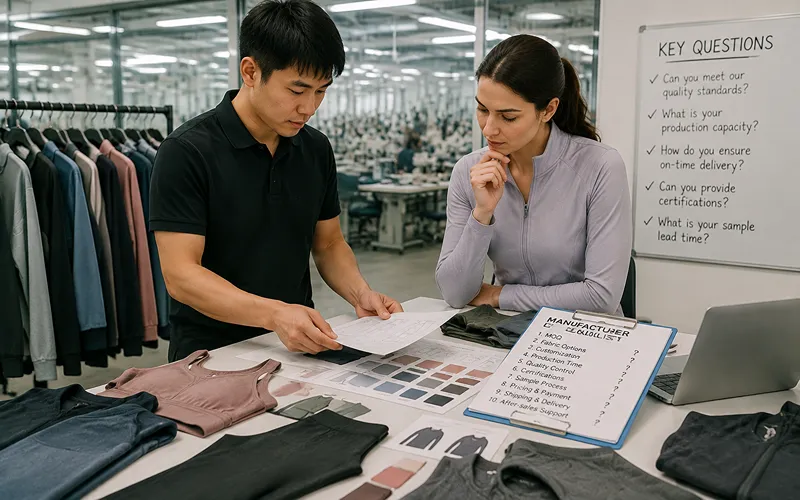
Before you sign off on a bulk order, ask the right questions. The wrong answer here can cost you thousands later. Here’s what we tell every client to ask, including us.
- What’s your MOQ, and does it change by fabric or print method?
Most factories set MOQs between 100 and 500 pieces per style per color. At LuckPanther, our MOQ starts at 200 pieces for basic styles. Sublimation prints often need a higher MOQ. That’s because the setup costs more.
- Can I see your certifications?
Ask for OEKO-TEX or similar proof. Don’t just take a claim. A real certificate has a number you can check on the certifying body’s website. If a factory can’t show one, that’s a red flag.
- What’s included in the leggings manufacturing cost quote?
Get this in writing. Some factories quote fabric and labor only. Then they add fees for printing, packaging, or shipping later. Ask for a full cost breakdown before you commit.
- How long is your sample and production timeline?
At LuckPanther, samples usually take 7 to 10 days. Bulk production runs 30 to 45 days after sample approval. This depends on order size. Ask for this in writing so you can plan your launch date.
- What happens if a batch fails quality control?
Ask this directly. We rework or remake failed pieces at no extra cost to the client. Not every factory works this way. Get the policy confirmed before production starts.
- Can you show me a past project similar to mine?
A good manufacturer can pull real photos and specs from past runs. If they can’t, they may not have the experience your product needs.