In the dynamic world of sportswear, color plays a pivotal role that extends far beyond mere aesthetics. It can influence an athlete’s performance, mood, and even how they are perceived on the field or in the gym. So, what truly is the best color for sportswear? Let’s dive deep into the fascinating realm of color psychology and functionality to find out.
The Psychology of Colors in Sportswear
-
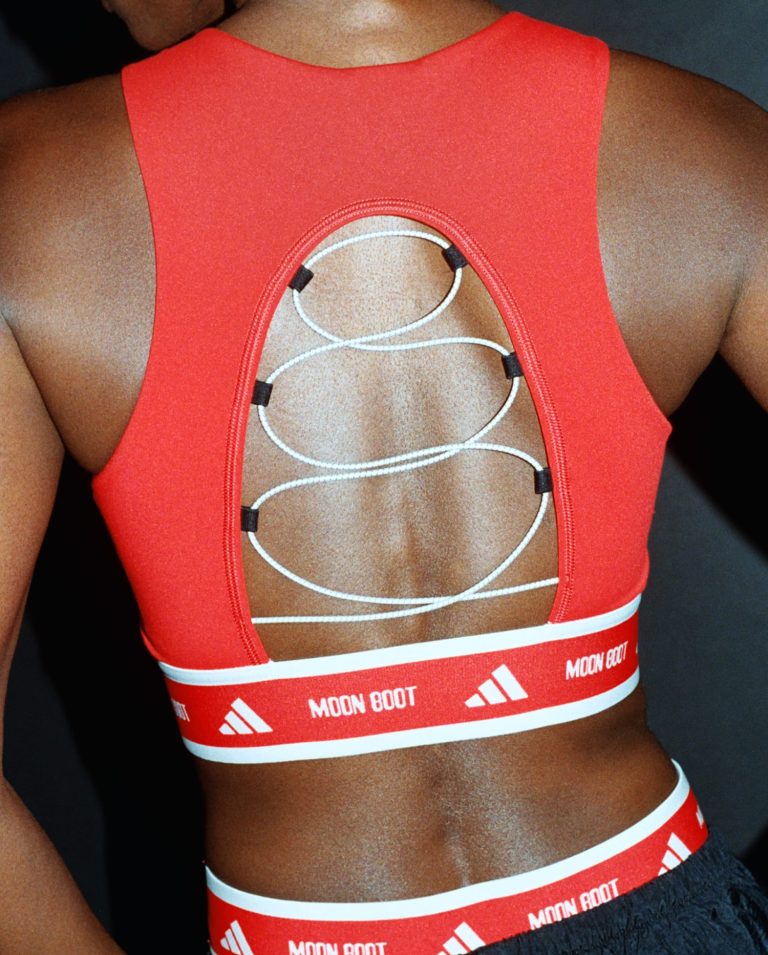
- Red: The Powerhouse Hue

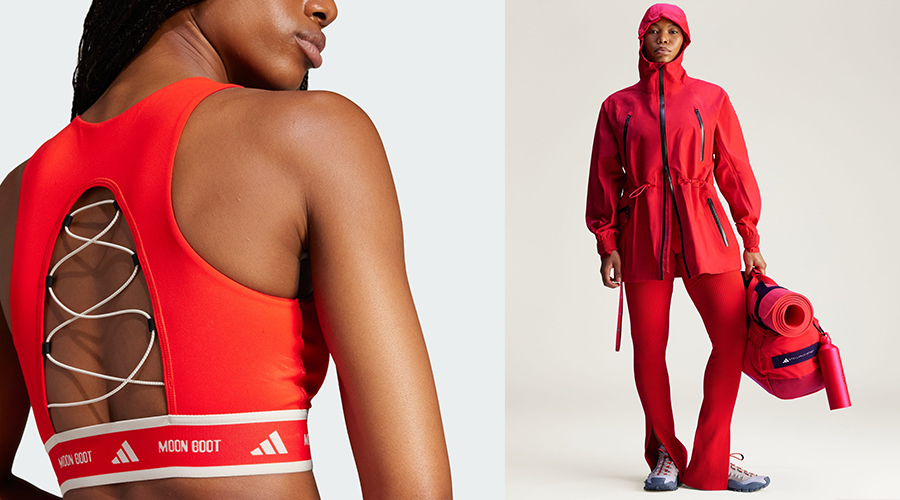
Red is synonymous with energy, passion, and aggression. It has been proven to increase heart rate and adrenaline levels, making it a popular choice for sports where a competitive edge is crucial. In team sports like football and basketball, wearing red can intimidate opponents and boost the confidence of the wearer. Studies have shown that teams in red jerseys often have a higher win rate in certain competitions. It commands attention and projects strength, making it a go-to color for athletes who want to make a bold statement.
-
Blue: The Cool and Calm Companion
Blue, on the other hand, exudes a sense of calmness, trust, and reliability. It’s an excellent choice for sports that require focus and precision, such as golf or archery. Athletes in blue sportswear are likely to feel more relaxed and in control, which can enhance their performance. In water sports, blue is a natural fit as it blends well with the aquatic environment, creating a harmonious visual effect. Additionally, blue is often associated with professionalism, making it a favored color for sports brands aiming to project a polished image. -
Black: The Timeless and Mysterious
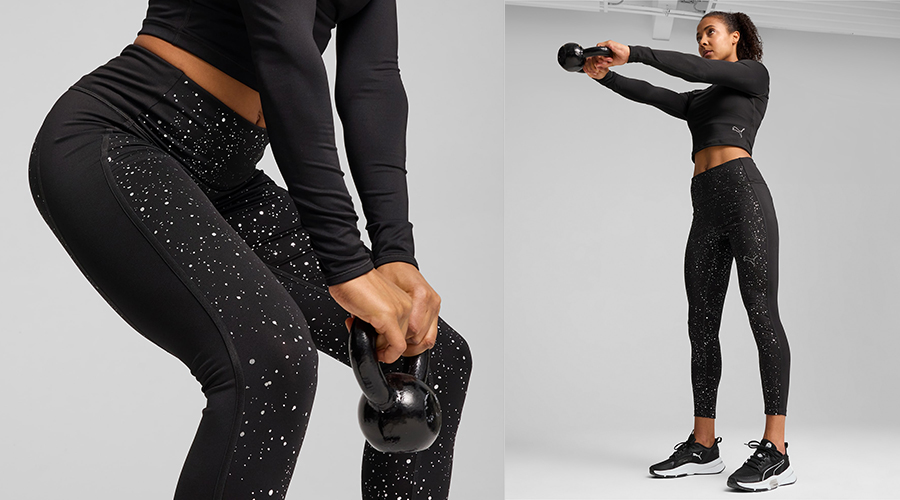
Black is a classic color that represents elegance, power, and sophistication. It has a slimming effect and can make athletes look more streamlined and formidable. In combat sports like boxing and martial arts, black is frequently seen as it gives an air of mystery and intimidation. It also absorbs heat well, which can be beneficial in colder environments. However, in extremely hot conditions, it might not be the most practical choice as it can become uncomfortably warm. -
White: The Symbol of Purity and Freshness
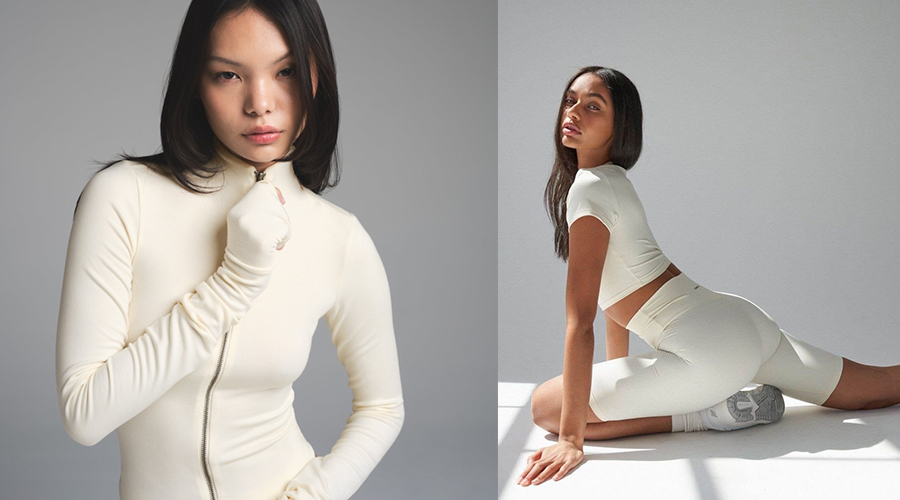
White is associated with cleanliness, simplicity, and innocence. It reflects light and heat, making it ideal for outdoor sports in hot climates. Tennis players, for example, have long favored white sportswear due to its ability to keep them cool under the sun. In team sports, white can create a unified and approachable look, fostering a sense of camaraderie among teammates. It’s also a versatile color that pairs well with almost any other color, allowing for creative and stylish combinations. This clean and versatile aesthetic is also commonly seen in Australian yoga brand collections. -
Green: The Soothing and Natural
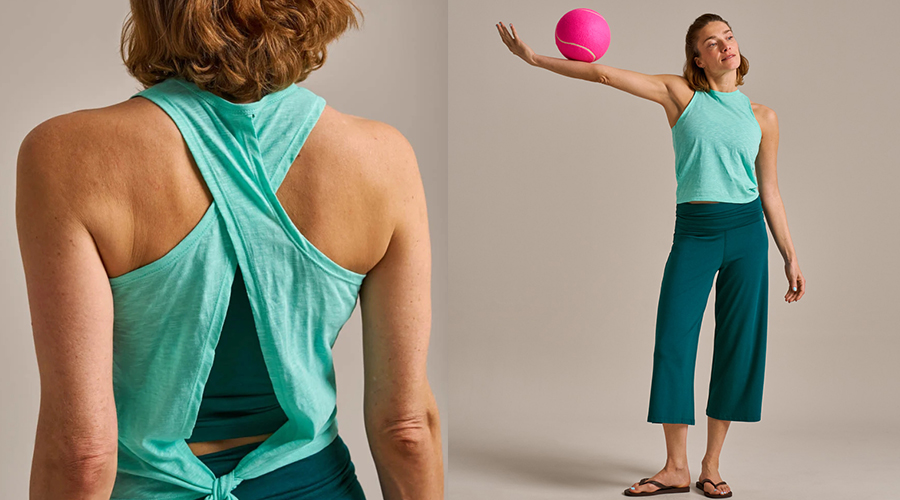
Green is reminiscent of nature, symbolizing growth, harmony, and renewal. It has a calming effect similar to blue and is often used in sports that involve endurance and relaxation, such as yoga or cycling in scenic areas. Athletes clad in green may find themselves more in tune with their surroundings and better able to endure long workouts. Green sportswear also stands out in a sea of more common colors, making it a unique choice for those seeking individuality.
- Red: The Powerhouse Hue

Functional Considerations for Color Selection

-
- Visibility in Different Environments
In low-light conditions, such as early morning runs or evening workouts, high-visibility colors like neon yellow, orange, and fluorescent green are essential. These colors reflect light effectively, ensuring that athletes are visible to motorists and other people around them, reducing the risk of accidents. For mountain bikers or hikers exploring rugged terrains, bright and contrasting colors can also help them stand out against the natural backdrop, making it easier for search and rescue teams to locate them if needed.
- Visibility in Different Environments
-
- Heat Absorption and Reflection
As mentioned earlier, colors have different heat absorption and reflection properties. Dark colors like black and dark blue absorb more heat, which can be advantageous in cooler weather but a hindrance in hot climates. Lighter colors such as white, light gray, and pastel shades reflect heat, keeping the wearer cooler. This is especially important for endurance sports where overheating can severely impact performance. For example, marathon runners often opt for white or light-colored singlets to combat the heat during long races.
- Heat Absorption and Reflection
-
- Color Fading and Durability
Some colors are more prone to fading than others, especially after repeated exposure to sunlight, washing, and sweat. Darker colors, particularly red and purple, may fade more quickly. Many Chinese sportswear manufacturers use advanced dyeing techniques and high-quality fabrics to improve colorfastness and ensure long-lasting colors. When choosing sportswear, consumers should also look for products with colorfast warranties or reviews that mention minimal fading. Durable colors not only maintain the aesthetic appeal of the clothing but also contribute to its overall value.
- Color Fading and Durability
The Best Color: A Matter of Personal and Sporting Context
Ultimately, the “best” color for sportswear depends on a multitude of factors. It’s a combination of personal preference, the nature of the sport, the environment in which it’s practiced, and the desired psychological impact. A soccer player might prefer red for its competitive boost, while a yogi could lean towards green for its soothing qualities. In a team setting, colors are often chosen to represent team spirit and identity, with considerations for visibility and contrast to distinguish between teammates and opponents.
In conclusion, the world of sportswear colors is rich and diverse, with each hue carrying its own set of benefits and considerations. The next time you reach for your workout gear, take a moment to think about how color may influence your performance, confidence, and overall workout experience. With the right color choices, sportswear can help athletes feel more motivated, focused, and comfortable while pursuing their fitness goals.
At Luck Panther, we not only explore performance-driven sportswear trends but also provide custom activewear manufacturing solutions for global brands. As an experienced sportswear factory, we support custom color development, private label production, OEM/ODM services, and personalized sportswear collections tailored to different markets and brand identities. Whether you are building a new activewear line or expanding an existing collection, choosing the right colors and the right manufacturing partner can help your brand stand out in today’s competitive sportswear industry.