
Why Viscose Gets Used in Activewear
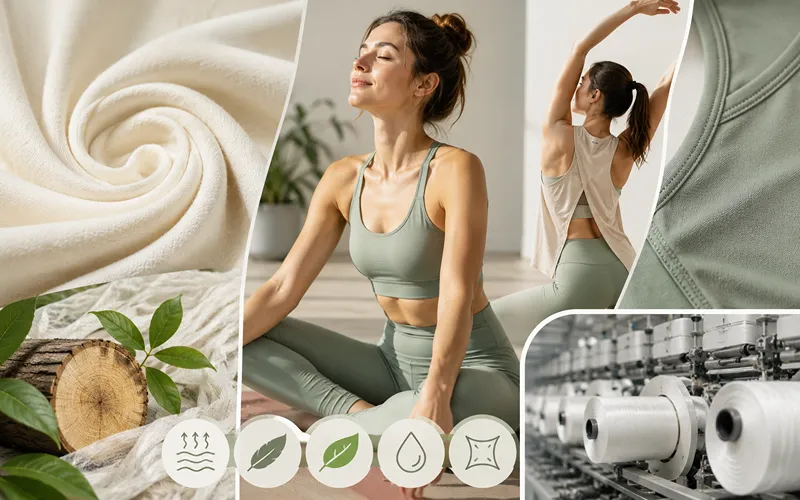
Viscose earns its spot in sportswear for a few clear reasons. It is not just “soft and cheap.” The fiber performs well in specific, measurable ways.
High moisture absorption. Viscose has a moisture regain around 11 to 13%. Cotton sits at 7 to 8%, and polyester is close to 0.4% (reference values come from ASTM D1909). This high regain means viscose pulls sweat away from skin fast, which is why it shows up so often in light activewear and yoga wear.
Soft, skin-friendly hand feel. Viscose drapes smoothly and feels almost silky against skin. Brands lean on it for loungewear and low-impact activewear where comfort matters as much as performance.
Lower cost than modal or Tencel. Viscose usually costs less per kilogram. On a bulk order, that price gap adds up fast, especially for mid-range sportswear lines watching their margins.
Good breathability. Air moves through the fiber structure easily. That helps with all-day wear, especially in warmer climates.
But here’s the tradeoff. The same fiber traits that make viscose comfortable also make it prone to shrinkage, stretching, and weak wet strength. That’s exactly why sourcing details matter so much.
The Sourcing Details Buyers Often Overlook
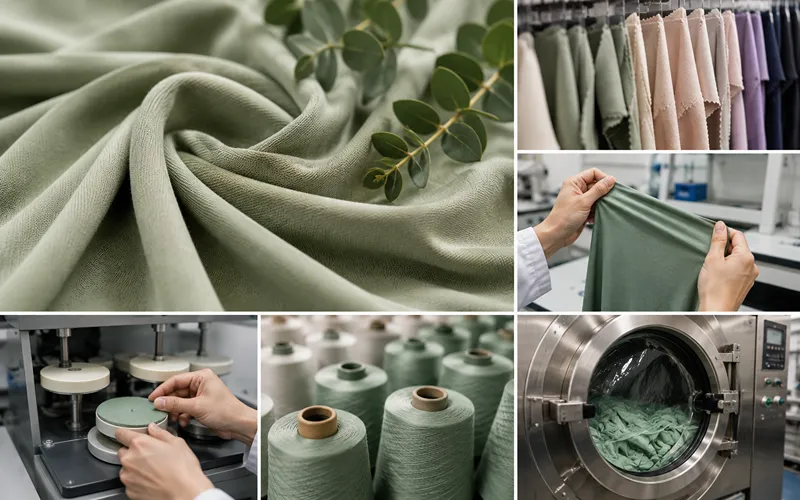
At LuckPanther, we test viscose fabric before it reaches a customer’s cutting table. Over the years, we’ve seen the same five issues sink orders again and again, even with buyers who did their homework. Here’s what to check before you commit to a supplier.
① Wet strength
Viscose loses up to 50% of its dry strength when wet. That’s just how the fiber behaves. But not every mill tests for it. We run wet tensile strength tests on every viscose batch and keep the reports on file. A good wholesale activewear supplier should hand you this data on request, not just say “it’s fine.” If a supplier hesitates or has no report at all, treat that as a warning sign.
② Shrinkage control
A single wash test tells you almost nothing. Fabric often keeps shrinking with each wash cycle. The real number only shows up after 3 to 5 washes. We test to the AATCC 135 standard, which measures dimensional change after home laundering. Anything above 5% shrinkage is risky for fitted styles like leggings or bike shorts. Even half an inch off the waistband can ruin the fit, especially on designs that use seamless bonding, where accurate panel dimensions matter during assembly.
③ Pilling resistance
Viscose pills fast when blended with certain synthetics, especially cheaper polyester. We run pilling tests using a standard rub-and-check method before approving any blend for bulk production. We grade the result on a 1 to 5 scale, where 5 means almost no pilling. Ask your supplier for this grade in writing. A grade of 3 or below usually means customer complaints within a few wears.
④ Colorfastness and batch consistency
Dye lots shift between production runs more often than buyers expect. Sometimes the shift is barely visible on its own. But it becomes obvious once garments sit side by side on a shelf. This is a real problem on reorders. We keep physical dye lot samples on file for every client. That way, a third or fourth reorder still matches the very first shipment.
⑤ Blend ratio
Pure viscose behaves nothing like a viscose-spandex or viscose-modal blend. This matters even more as current activewear trends move beyond traditional polyester-heavy performance fabrics toward softer hand feel, stretch, comfort, and all-day wear. Going from 95/5 to 90/10 viscose-spandex changes how much the fabric stretches and recovers. It also changes how much the fabric shrinks in the wash.
If you work with a Chinese sportswear manufacturer, check the fiber composition again before bulk cutting. The bulk fabric should match your approved sample.
These are the details that separate a smooth production run from a costly reorder. Next, let’s cover the questions to ask before you sign off on your PO.
Questions to Ask Your Supplier Before Placing an Order

Here are the ones we get asked most, and the ones we wish more buyers asked us.
“Can I see your wet strength and shrinkage test reports?”
Ask for actual numbers, not a verbal promise. If a supplier can’t produce a report within a day or two, that tells you something about their quality inspection process.
“What’s your defect rate on the last three bulk orders?”
A serious manufacturer tracks this. At LuckPanther, we run quality inspection at three stages: raw fabric, cutting, and pre-shipment. Our average defect rate on viscose orders sits under 2%, based on the ISO 2859-1 AQL sampling standard used across the apparel industry.
“Will the bulk fabric match the blend ratio in my approved sample?”
Get this in writing. We’ve seen suppliers quietly shift a blend from 95/5 to 90/10 to cut cost after the sample stage. Always ask for a re-test at bulk production, not just at sampling.
“Do you keep dye lot samples for reorders?”
This matters most for brands doing sportswear, where color consistency across drop after drop is part of the brand promise. We keep physical swatches on file for every client order.
“What’s your minimum order quantity, and does it change with fabric weight or blend?”
Some mills quote a low MOQ, then raise it once you specify a heavier GSM or a tricky blend. Ask this before you fall in love with a sample.
“What’s your lead time from approved sample to shipped bulk order?”
Get a specific number of days, not “a few weeks.” We tell clients 25 to 30 days for standard viscose blends, longer for custom dye colors.
These questions take five minutes to ask but can save you weeks of cleanup later. If you’d like to see our actual test reports before your next order, just get in touch with our team and we’ll walk you through them.
When Viscose Makes Sense and When to Consider Blends
Not every activewear style needs viscose. Here’s a quick breakdown of what we recommend based on real production runs.
Style Type | Recommended Fabric | Why |
Yoga tops, loungewear, wide-leg joggers | 100% Viscose | Soft drape, breathable, holds shape fine with proper wash care |
Casual athleisure, relaxed tunics | Viscose or Viscose-Modal (80/20) | Slightly better pilling resistance, similar cost |
Leggings, bike shorts | Viscose-Spandex (92/8 to 90/10) | Spandex prevents stretching out after 10 to 15 wears |
Viscose-Spandex (88/12) or avoid viscose | High-tension areas need more recovery than viscose alone offers | |
Running shorts, high-intensity gear | Not recommended | Pure viscose loses shape fast under repeated tension |
Pure viscose works well for low-impact styles like yoga wear and loungewear. For anything closer to the body during movement, we recommend at least 8% spandex in the blend. A viscose-modal blend, usually 60 to 80% viscose, also holds up better against pilling than pure viscose while keeping a similar price point.
What’s Next
Viscose can be a smart choice for activewear, but only when the sourcing details are handled right. Wet strength, shrinkage control, pilling resistance, and blend ratio all decide whether your bulk order matches your sample or turns into a costly reorder.
If you’re planning your next viscose order and want real test data before you commit, contact us. We’re happy to walk you through our reports and help you figure out the right blend for your style.