
In today’s fashion-forward world, the line between style and function is becoming increasingly blurred, especially when it comes to what we wear during physical activity. But sporting clothing is far more than just trendy gym wear. It’s specially engineered to enhance performance, support movement, and ensure comfort under demanding conditions.
Whether you’re a professional athlete or a weekend jogger, you’ve likely noticed that sports apparel feels and fits differently than everyday clothing. But what exactly sets it apart?
In this article, we’ll dive into the key features that make sporting clothing unique and why it’s essential for anyone leading an active lifestyle.
Understanding Sporting Clothing vs. Regular Apparel
What Is Sporting Clothing?

Sporting clothing, also known as activewear or performance wear, is specially designed to meet the physical demands of sports and exercise. Unlike regular clothes, sporting clothing is engineered for comfort, flexibility, and performance enhancement. It is often made from technical fabrics that provide moisture-wicking, breathability, and support during physical activities like running, cycling, yoga, or team sports.
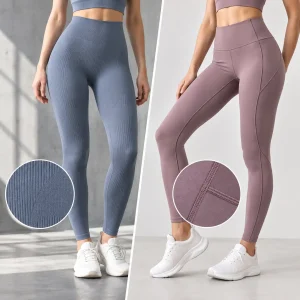
Sporting clothing includes items like athletic shoes, leggings, sports bras, t-shirts, and jackets specifically built for sports performance.
What Is Regular Apparel?
Regular apparel, on the other hand, refers to everyday clothing that people wear for casual, social, or professional occasions. It includes items like jeans, t-shirts, blouses, dresses, and suits that are designed primarily for style, comfort, and general use, rather than performance.
It’s meant for daily wear and doesn’t necessarily accommodate the specific needs of physical exertion.
The Benefits of Sporting Clothing Over Regular Apparel:

Sporting clothing offers a range of benefits that regular apparel simply cannot match, especially for individuals who lead active lifestyles or participate in sports. Some of the key advantages of sporting clothing over regular apparel are listed below:
1. Enhanced Comfort and Flexibility:
Sporting clothing is designed with movement in mind. It’s made from fabrics that offer greater stretch and flexibility, allowing for a full range of motion. Whether you’re doing yoga, running, or playing a sport, these clothes are specifically tailored to move with your body, preventing discomfort or restriction during physical activity.
2. Moisture-Wicking Properties:
One of the standout features of sporting clothing is its ability to wick moisture away from the body. Materials like polyester, nylon, and spandex help to draw sweat away from your skin, keeping you dry and comfortable even during intense workouts. This is in contrast to regular apparel, which may absorb sweat, causing discomfort and potentially leading to chafing or irritation.
3. Breathability and Temperature Regulation:
Sporting clothing often includes breathable fabrics that regulate body temperature, ensuring you stay cool during exercise and warm during cooler conditions. Fabrics like mesh panels or ventilation zones promote airflow, which helps prevent overheating and keeps you at a comfortable temperature throughout your workout.
4. Support and Protection:
Many pieces of sporting clothing offer additional support where it’s needed most. For example, compression leggings and sports bras provide support for muscles, joints, and breasts, reducing the risk of strain or injury. Some activewear also includes padding or reinforced zones to protect against impacts during activities like cycling or contact sports.
5. Durability and Performance-Driven Design:
Sporting clothing is built to endure the physical stress of exercise and outdoor activities. The durable materials used in athletic wear are designed to withstand rigorous use without compromising their fit, feel, or functionality. Whether you’re lifting weights, running, or cycling, these garments are made to last longer than regular clothing, which may wear out more quickly with repeated physical exertion.
6. Improved Performance:
Certain types of sporting clothing, such as compression gear, have been shown to help improve athletic performance by enhancing circulation, reducing muscle fatigue, and speeding up recovery times. This functionality is not present in regular apparel, which is not designed with the same performance-enhancing features in mind.
7. Fashion Meets Function:
Sporting clothing today doesn’t just focus on performance—it’s also stylish. Many brands (like Australian yoga brands and China sportswear brands) now offer athleisure wear, which combines the benefits of sporting apparel with trendy designs, allowing wearers to go from the gym to social outings without needing to change. This fusion of fashion and function is not typically seen in regular apparel, which is primarily designed for aesthetics rather than performance.
Overall, sporting clothing offers practical advantages that make it the preferred choice for active individuals, providing comfort, support, and performance enhancement that regular apparel simply cannot match.
When to Choose Sporting Clothing Over Regular Apparel?

Choosing between sporting clothing and regular apparel depends largely on the activity you’re engaging in and the comfort and performance needs of the situation. While regular clothing can be perfectly fine for everyday use, sporting clothing is specifically designed to enhance your experience during physical activities.
A detailed guide on when to choose sporting clothing over regular apparel is discussed below:
1. During Exercise and Physical Activities:
If you’re planning to engage in any type of physical activity, sporting clothing should be your go-to choice. Whether you’re heading to the gym for weight training, going for a run, cycling, or participating in a sports game, sporting clothing provides the necessary support, flexibility, and breathability needed for optimal performance.
Regular clothes, while comfortable for everyday wear, are often made from non-stretchable fabrics that can restrict movement and may cause discomfort or even injury during physical exertion.
Sporting clothes are made from moisture-wicking fabrics that keep sweat away from your skin, which is especially important when you’re working out. Regular apparel will absorb sweat, leaving you feeling sticky and uncomfortable.
2. When You Need Support and Protection:
Certain sports or physical activities require extra support or protection, which is where sporting clothing truly shines. For instance, if you’re running or cycling, wearing compression leggings or sports bras can provide support to the muscles, joints, and breasts. This reduces the risk of muscle strain, injury, or discomfort.
Additionally, sporting clothing often includes features like padding or reinforced areas, such as in cycling shorts or knee pads, to protect you from bumps, scrapes, and bruises during activities like biking or skateboarding.
Regular clothing, on the other hand, does not offer this kind of functional support. Clothes like jeans or t-shirts may feel comfortable for casual activities, but they won’t provide the same level of protection or structural support during physical exertion.
3. In Extreme Weather Conditions:
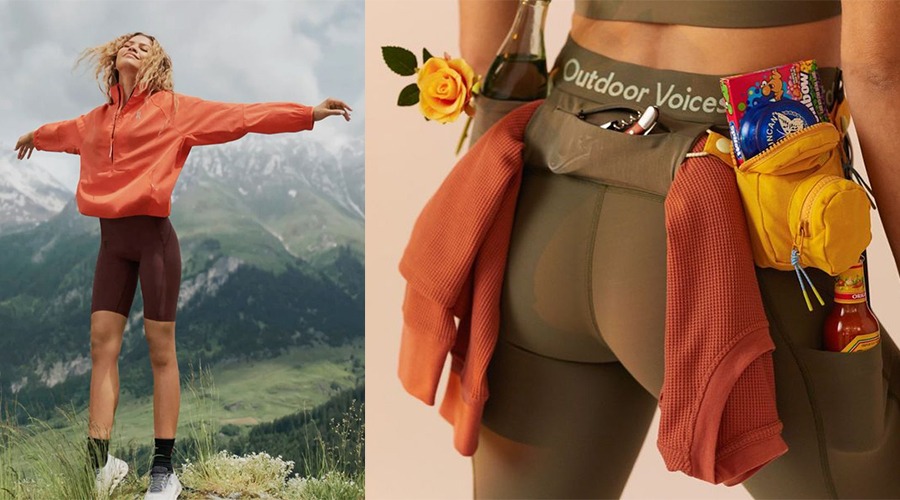
If you’re participating in outdoor activities in hot or cold weather, sporting clothing is engineered to handle temperature fluctuations and weather conditions. Running in the heat? Sporting clothing made with breathable, moisture-wicking materials will help keep you cool and dry.
Cold-weather workouts are no problem either, as many sporting apparel items are designed with insulating fabrics to help keep warmth close to the body while still allowing sweat to escape.
Regular apparel, while suitable for everyday use, doesn’t offer the same weather-specific features. Wearing a cotton t-shirt and jeans in a cold, rainy climate may lead to discomfort or even illness due to the lack of water resistance, breathability, and insulation.
4. For Recovery and Performance Enhancement:
Some types of sporting clothing, like compression wear, are designed specifically to aid in muscle recovery and boost circulation. After intense physical activity, wearing compression garments can help reduce swelling, enhance recovery time, and improve blood flow. This is beneficial for athletes or anyone who works out regularly.
Regular clothing doesn’t offer these performance-related benefits. If you want to support muscle recovery or enhance circulation post-workout, sporting clothing is the better choice.
5. When Engaging in High-Impact Sports:
For high-impact sports like basketball, football, or soccer, the need for flexible and impact-resistant clothing is critical. Sporting clothing such as compression shorts, sports socks, and protective padding is made with high-performance materials that allow for maximum movement while offering protection during tackles, falls, or high jumps.
In contrast, regular clothing can restrict your range of motion and fail to protect you adequately during these activities. For example, wearing jeans or loose-fitting clothing during a game of soccer may lead to discomfort, injury, and restricted movement, making sporting apparel a much safer and practical choice.
6. For Running or Jogging:
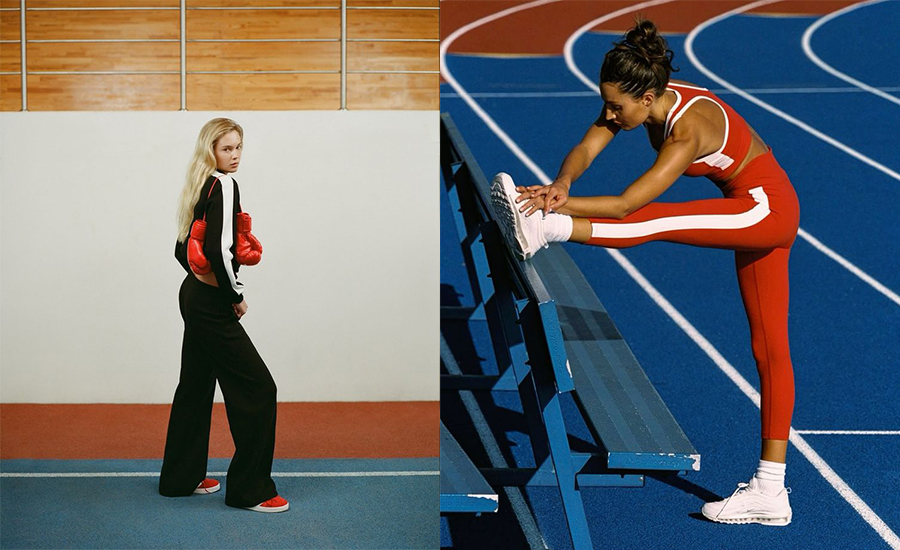
When you’re heading out for a run or jog, wearing the right clothing can make all the difference in terms of comfort and performance. Sports-specific shoes, moisture-wicking t-shirts, and breathable shorts or leggings can help you run longer, stay comfortable, and avoid chafing. These garments are designed to handle the repetitive motion of running, providing extra flexibility and reducing friction.
Regular apparel like cotton t-shirts or jeans may seem fine for a walk or light jog, but they can easily become heavy when soaked with sweat, leading to chafing or discomfort. For any sustained running or jogging, sporting clothing is the clear winner.
7. For Casual Sports or Recreational Activities:
Even in recreational activities like playing tennis, hiking, or swimming, sporting clothing enhances your experience by providing functional features tailored to the activity. Athletic shoes provide grip and support for walking on uneven trails, while swimwear is made with materials that dry quickly and offer freedom of movement in the water.
Tennis skirts, sport shorts, and track jackets are designed to keep you comfortable while playing, providing stretch and ventilation to allow for a full range of motion.
Regular clothes, while acceptable for less intense activities, do not offer the same level of performance for more strenuous or specific tasks. You might find yourself constantly adjusting your attire, leading to discomfort and decreased performance.
Conclusion
Sporting clothing is more than just attire—it’s a necessity for anyone engaging in physical activities, from casual workouts to competitive sports. Its design, materials, and features are tailored to enhance performance, comfort, and safety, making it the ideal choice for active individuals. Whether you’re running, cycling, or participating in a team sport, sporting clothing ensures that your body can move freely, stay cool, and remain protected.
At Luck Panther, we not only provide high-quality activewear but also support custom sportswear development for brands, retailers, and startups worldwide. As an experienced sportswear factory, we offer OEM/ODM manufacturing, private label solutions, custom fabrics, logo printing, and flexible production options to help brands build unique activewear collections.
Contact Luck Panther today to get a quote and explore our range of performance-driven sportswear and custom manufacturing solutions designed to elevate both comfort and brand value.