If you’re shopping for leggings, you’ve probably noticed two main categories: athletic leggings (or workout leggings) and regular leggings. While they may look similar at first glance, their design, functionality, and materials cater to entirely different needs. In this guide, we’ll break down the key differences between athletic leggings vs. regular leggings, helping you choose the perfect pair for your lifestyle—whether you’re hitting the gym, running errands, or lounging at home.
1. Fabric & Material: Built for Performance vs. Casual Comfort
The most significant difference lies in the leggings fabric used.

Athletic Leggings:
High-performance fabrics: Think moisture-wicking leggings made from nylon, polyester, or technical blends like spandex (10-20% elastane). These materials prioritize breathability, stretch, and sweat absorption.
Compression technology: Many workout leggings feature 4-way stretch fabric to support muscles during high-intensity activities like running, yoga, or cycling.
Anti-odor treatments: Premium athletic leggings often include antimicrobial coatings to combat odor during sweaty workouts.
Regular Leggings:
Softer, non-technical fabrics: Cotton, rayon, or thin polyester blends dominate. These prioritize comfort over performance, making them ideal for casual wear.
Limited moisture management: Cotton leggings absorb sweat but don’t dry quickly, leading to discomfort during physical activity.
2. Design Features: Functional vs. Fashion-Focused
From waistbands to seams, athletic and regular leggings are engineered for distinct purposes.
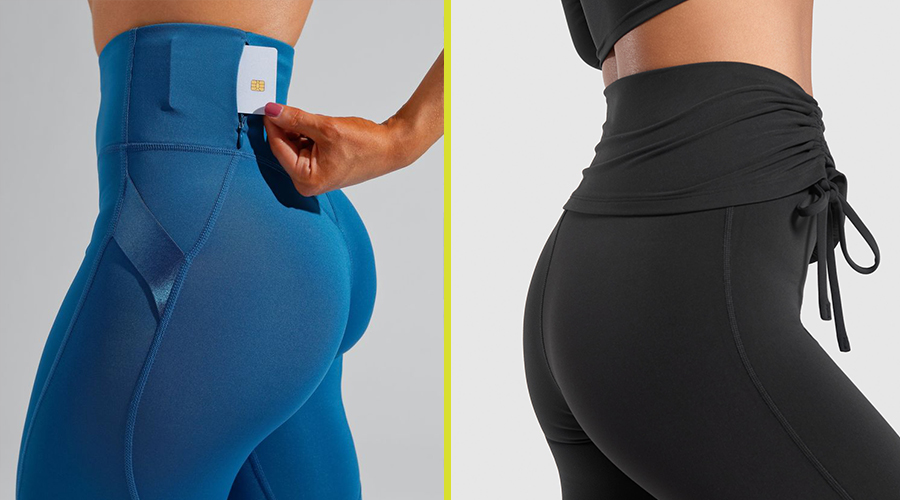
Athletic Leggings:
High-rise waistbands: Designed to stay in place during movement, often with a wide, elasticized fit for core support.
Flatlock seams: Reduce chafing during repetitive motions (e.g., squats, lunges).
Pockets: Many running leggings include side or back pockets for phones, keys, or energy gels.
Gusseted crotch: Enhanced mobility and reduces fabric bunching.
Regular Leggings:
Decorative details: Focus on aesthetics with lace trims, buttons, or trendy patterns.
Mid-rise or low-rise waistbands: Prioritize style over support.
Thinner fabric: May lack opacity, risking sheerness during stretches or bends.
3. Durability & Longevity: Gym-Ready vs. Delicate Wear
Athletic leggings are built to withstand rigorous use, while regular leggings prioritize lightweight comfort.
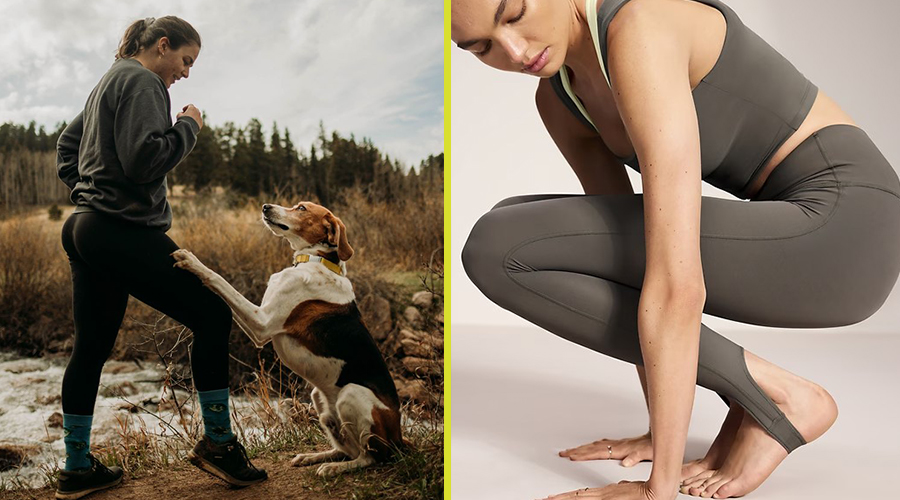
Athletic Leggings:
Abrasion-resistant fabric: Survives friction from gym equipment, outdoor trails, or yoga mats.
Reinforced stitching: Prevents seam splits during high-impact workouts.
UV protection: Outdoor-focused leggings often include UPF coatings.
Regular Leggings:
Prone to pilling: Softer fabrics like cotton degrade faster with frequent washing or friction.
Thinner material: May tear or lose shape after repeated wear.
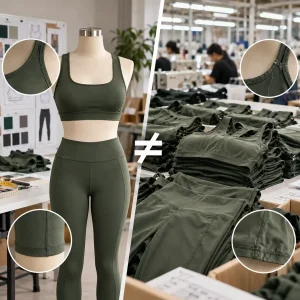
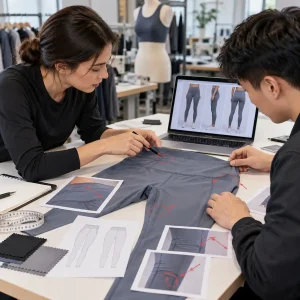
A good athletic-legging sample should stay opaque under stretch, recover after repeated movement, and keep the waistband stable. These are useful checkpoints when screening China leggings manufacturers for performance styles. Similar production requirements also apply when selecting sportswear manufacturers in China for a wider activewear range.
4. Versatility: When to Wear Each Type
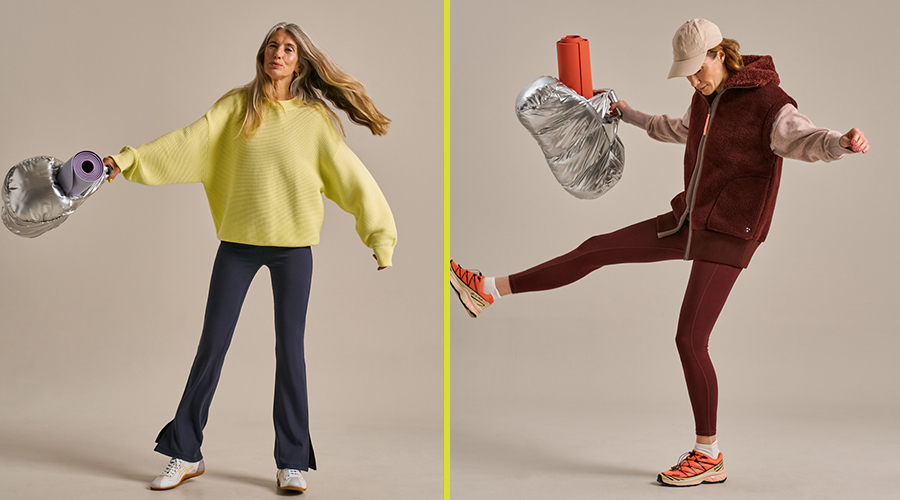
Athletic Leggings Are Ideal For:
Gym sessions, running, cycling, yoga, or HIIT workouts.
Outdoor activities like hiking (opt for thermal leggings in winter).
High-intensity scenarios where support and sweat management matter.
Regular Leggings Shine For:
Casual outfits (paired with oversized sweaters or tunics).
Lounging, light walks, or errands.
Layering under dresses or skirts in cooler weather.
Pro Tip: Some hybrid leggings (like “athleisure leggings”) blend performance
5. Care & Maintenance
Athletic Leggings:
Wash in cold water to preserve elasticity and moisture-wicking properties.
Avoid fabric softeners—they clog technical fibers.
Air-dry to prevent shrinkage.
Regular Leggings:
Follow standard washing instructions but avoid high heat to maintain color and softness.
FAQ: Your Leggings Questions Answered
Q: Can I wear regular leggings to the gym?
A: While possible, cotton leggings may become see-through during squats or stretches and lack sweat-wicking capabilities.
Q: Are athletic leggings good for everyday wear?
A: Yes! Many high-quality workout leggings (like buttery soft leggings) double as comfortable athleisure wear.
Q: How do I know if leggings are squat-proof?
A: Do a bend test in natural light—stretch the fabric over your hips. If it turns sheer, avoid using them for workouts.
Conclusion: Choose the Right Leggings for Your Needs
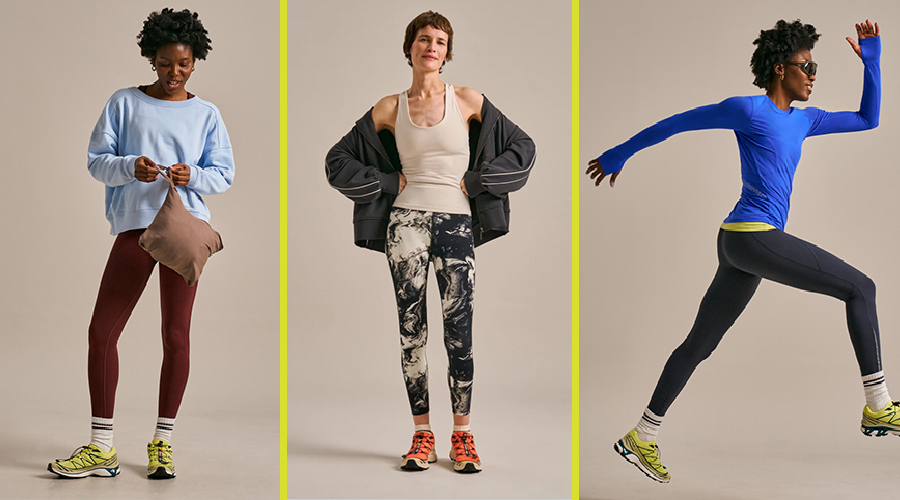
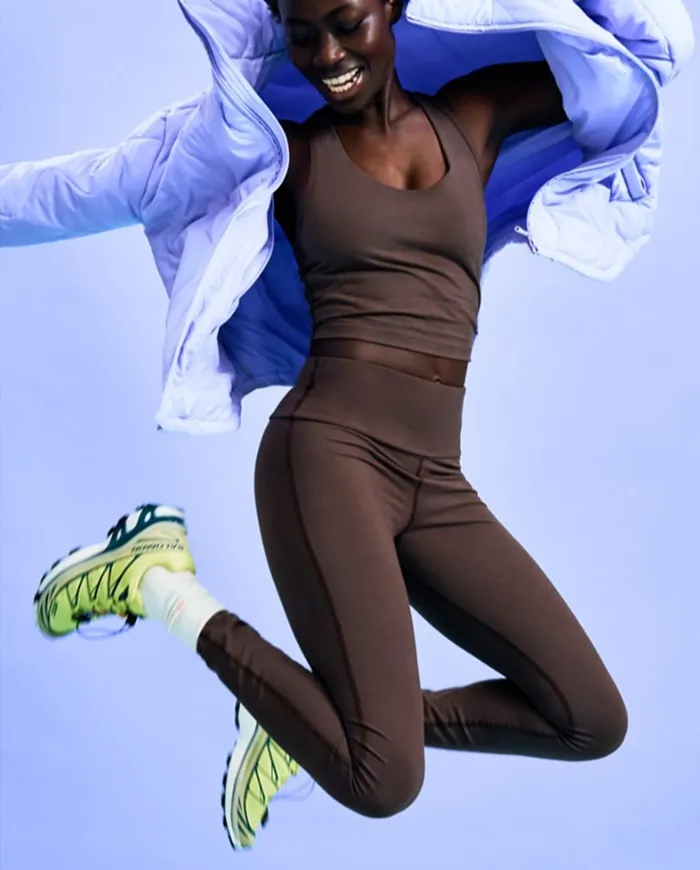
Whether you’re shopping for high-waisted leggings to crush your Pilates class or trendy leggings for a coffee run, understanding the difference between athletic and regular leggings ensures you invest in the best pair for your lifestyle.
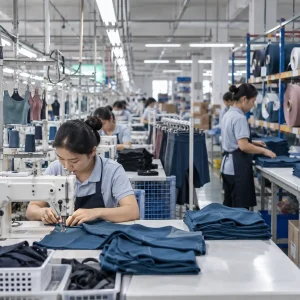
At Luckpanther, our performance leggings combine cutting-edge technology with sleek designs—perfect for workouts, recovery, or everyday confidence. As an experienced activewear factory, we also support custom leggings development, private label production, and flexible OEM/ODM solutions for growing sportswear brands. Explore our collection today and discover the perfect blend of performance, comfort, and customization.