Why Does Fabric Color Change From Sample to Bulk?
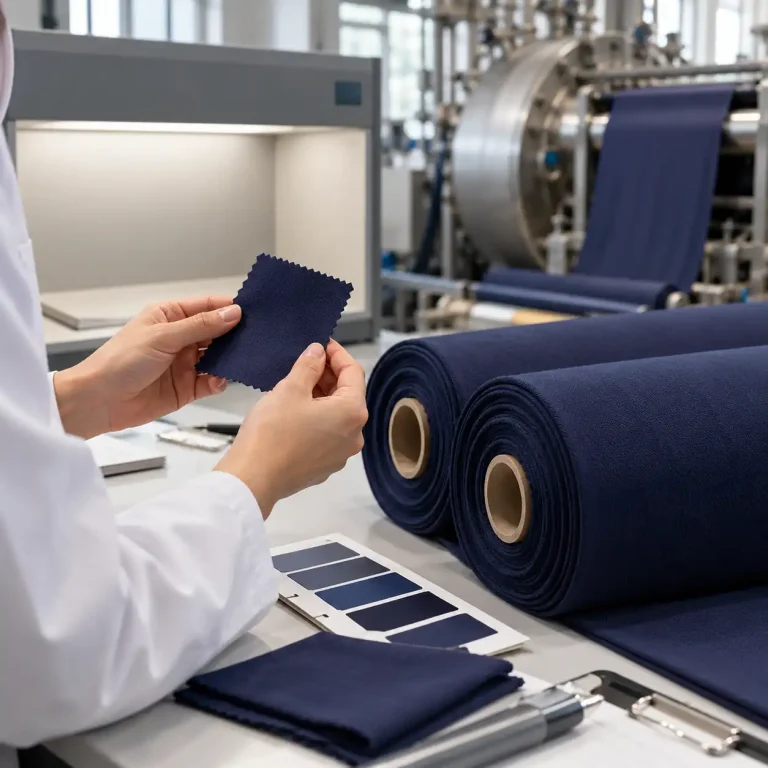
Bulk fabric can differ from the approved lab dip even when the dye recipe stays the same. Changes in dyeing conditions, fabric properties, and finishing can all affect the final shade.
Cause | What Happens During Production |
Lab Dip vs. Bulk Dyeing | Bath ratio, temperature, dye circulation, and treatment time may differ from lab conditions, affecting the final shade. |
Dye Lot Differences | Dye uptake and processing conditions can vary between dye lots, causing slight color differences. |
Fabric Composition & Construction | Fiber type affects dye uptake, while yarn and knit structure can change how the finished color appears. |
Finishing & Heat Setting | Heat setting, softening, and other finishing treatments may affect the final shade or surface appearance. |
Nylon/spandex leggings also show how fabric stretch affects color appearance. The material may look darker when relaxed and lighter when stretched, even without a change in the dye itself.
Three Types of Shade Variation in Bulk Fabric
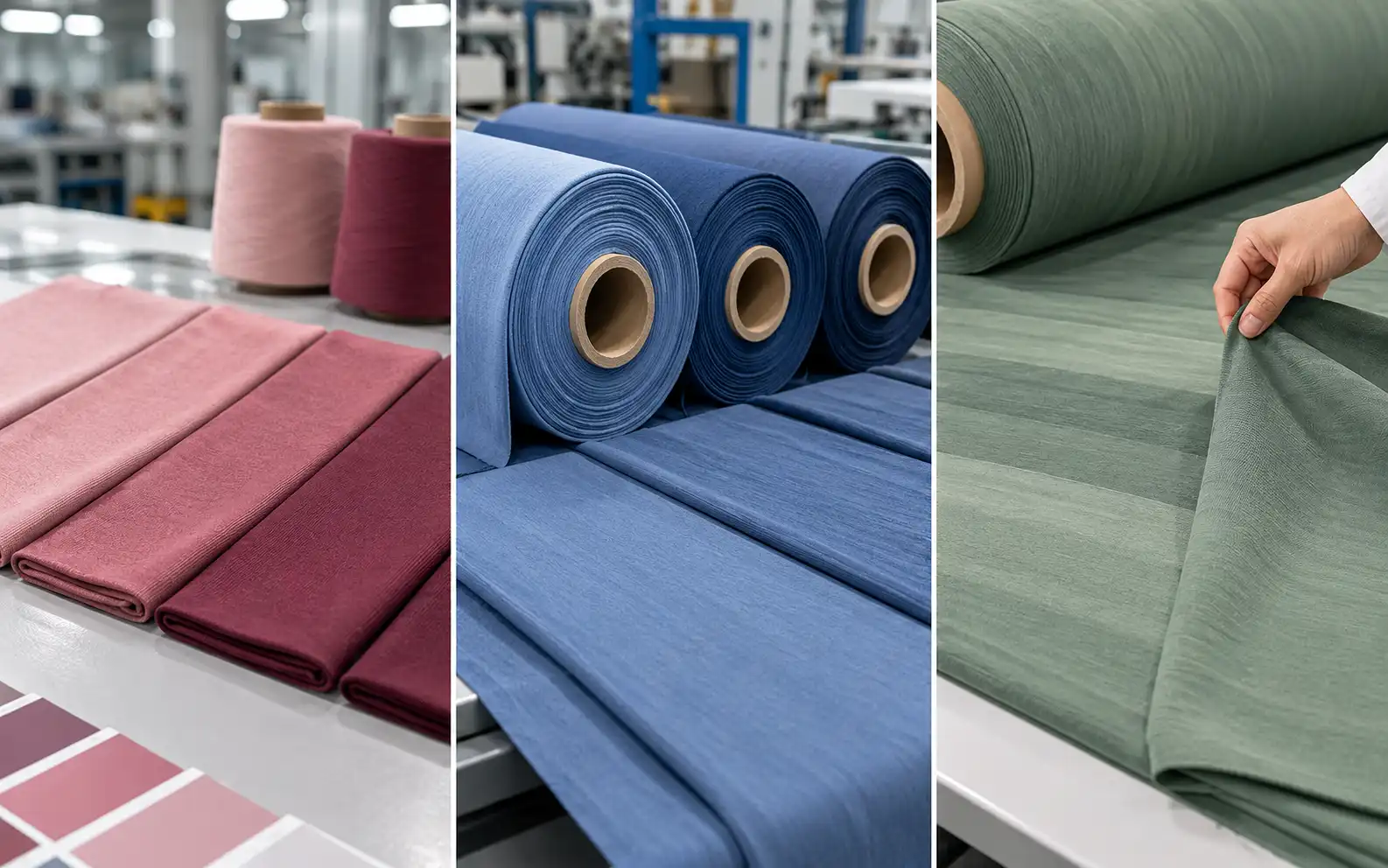
Shade variation does not always affect the entire order. It may occur between dye lots, between fabric rolls, or within a single roll.
Type | What It Means | Risk for Activewear |
Lot-to-Lot Variation | Color differs between dye lots. | Fabric from different dye lots may not match, even within the same order. |
Roll-to-Roll Variation | Color differs from one roll to another. | Finished garments in one order may show different tones. |
Within-Roll Variation | Color varies along the length or across the width of a single roll. | Panels cut from different areas of the same roll may not match. |
Consider a black leggings order using two fabric rolls with slightly different shades. If the rolls are mixed during cutting, the left and right legs may have visibly different tones, especially under certain lighting conditions.
At LuckPanther, we check color differences across fabric rolls rather than relying on a single swatch to judge the entire order.
How Much Color Difference Is Acceptable?
There is no single acceptable color difference for all fabrics. Bulk fabric should meet the color tolerance agreed upon by the buyer and manufacturer before dyeing. The decision should be based on an approved physical color standard, controlled lighting, and agreed measurement methods.
1. Compare Against an Approved Color Standard
Keep a physical color swatch approved by both sides. Compare bulk fabric against this swatch, not against photos or memory. Screens can display the same color differently, so a phone photo should not replace the approved color reference.
2. Use Controlled Lighting
Lighting affects how fabric colors appear. Compare samples under an agreed standard light source, such as D65 simulated daylight in a light booth. If needed, use a second agreed light source to check for metamerism.
Metamerism occurs when two samples appear to match under one light but look different under another.
3. Understand ΔE and Color Tolerance
ΔE measures the difference between two colors using a defined color-difference formula. A higher value generally indicates a greater measured difference.
Keep these points in mind:
- Record the ΔE formula, such as CIEDE2000 (ISO/CIE 11664-6:2022), and the measurement conditions. Results from different formulas or setups are not directly comparable.
- Set tolerances based on the fabric, color, and buyer’s requirements.
- Use instrument readings together with the agreed visual assessment.
Fabric Color Checks Before Bulk Cutting
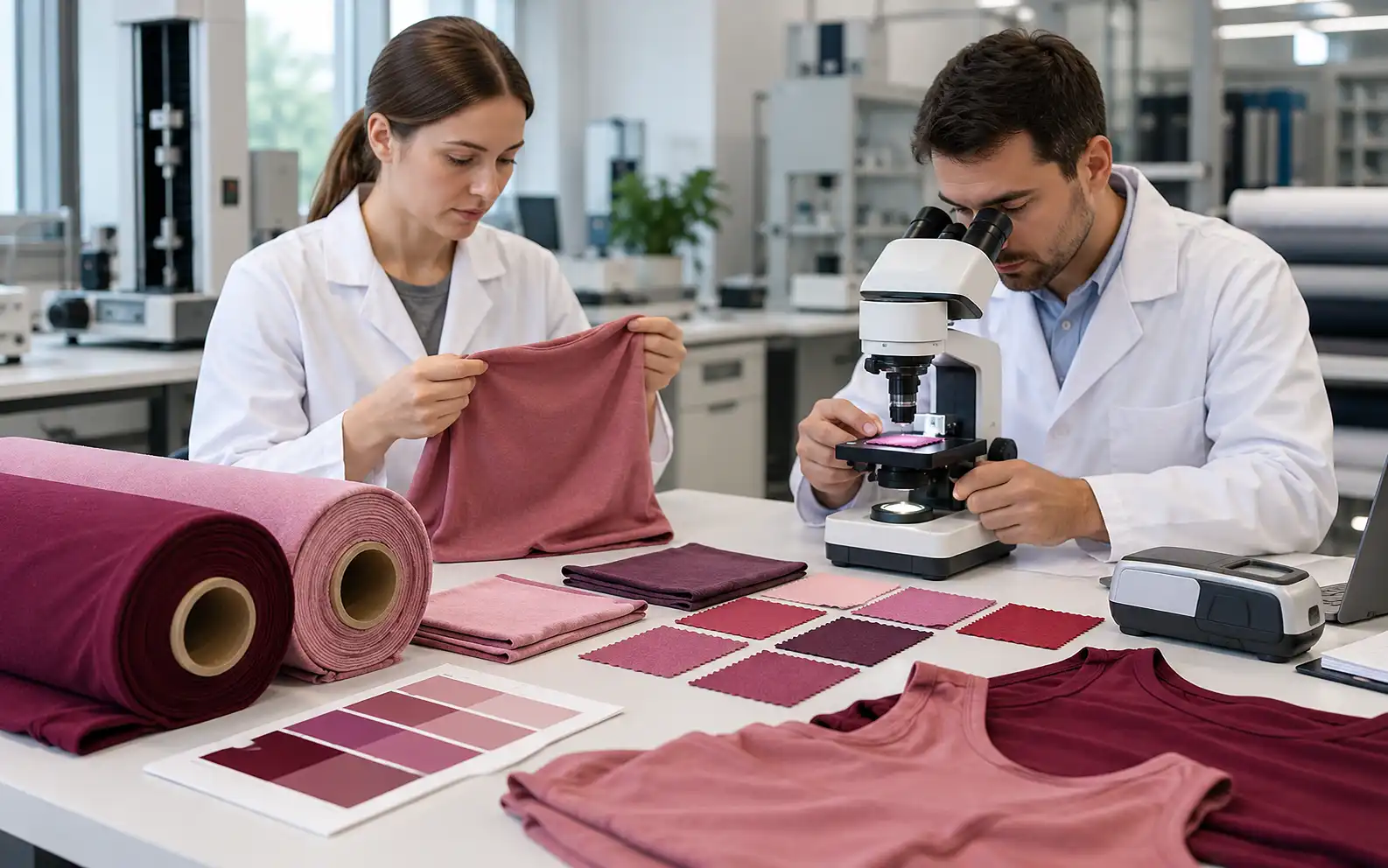
Checking fabric color before cutting can prevent costly rework. Once fabric is cut into garment panels, replacing mismatched pieces becomes more difficult. Here are 4 checks to complete before cutting begins.
Step 1: Confirm the Color Reference
Confirm that your wholesale activewear manufacturer and QC team use the same approved physical color standard, such as the final lab dip. Different reference samples can lead to conflicting inspection results.
Step 2: Check Different Dye Lots and Rolls
Select samples from the dye lots and fabric rolls included in the order. Where within-roll variation is a concern, compare samples from different positions along the roll. Check across the fabric width when needed.
Step 3: Compare Colors Under Controlled Conditions
Compare the samples with the approved standard under the agreed light source. Check for visible shade differences and compare any instrument readings against the agreed color tolerance.
Step 4: Record Results Before Cutting
Record the dye lot numbers, roll numbers, and inspection results. We use these records to trace color differences back to the affected fabric rolls.
What to Do When Bulk Fabric Fails Color Approval
When bulk fabric fails color approval, the next step depends on the extent of the shade difference and which rolls are affected. The fabric may need to be held, reworked, replaced, or submitted for buyer approval.
Situation | Recommended Action |
The whole lot is off the approved standard | Hold the affected lot. Assess the color difference, then seek buyer approval for the deviation or arrange rework or replacement. |
Only some rolls fail | Set the affected rolls aside and check the remaining rolls against the approved standard. |
Color differs between dye lots | If approved by the buyer, separate dye lots during cutting to avoid visible shade differences within the same garment. |
The fabric is already cut | Trace the affected rolls and cut panels. Determine whether replacement or recutting is necessary. |
Redyeing is not always possible. It depends on the fiber content, dye system, finishing conditions, and extent of the color difference. A second dyeing process may affect shade uniformity, fabric stretch, or dimensional stability, especially in heat-sensitive stretch fabrics.
We ask for buyer confirmation before accepting fabric that falls outside the agreed color tolerance. Any approved deviation is recorded against the affected order, so it is clear what the buyer has accepted.
Color differences are one of several reasons a bulk order may not match the approved sample.
Keeping Fabric Colors Consistent Across Repeat Orders
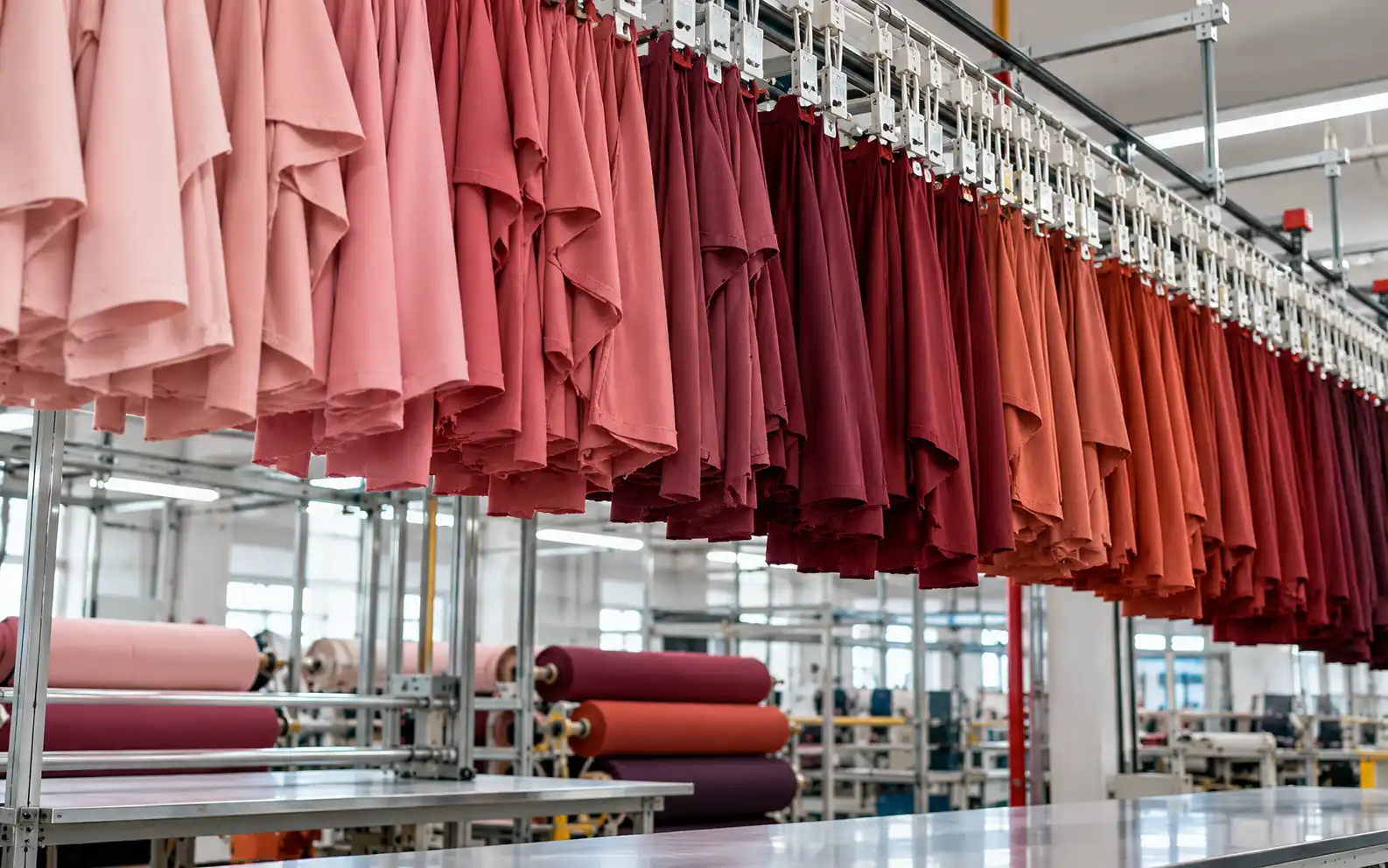
Using the same dye recipe does not guarantee the same color in a repeat order. Changes in materials or production conditions can still affect the result.
- Keep the Approved Color Standard. Save the approved physical swatch, color code, and measurement records. Label the approval date and version to avoid using an outdated color reference.
- Confirm Fabric Specifications. Check that the fiber content, knit structure, and finishing requirements match the approved specifications. Changes in these details may affect dye uptake or the final color appearance.
- Review Changes Before Reordering. Ask whether the fabric supplier, dyeing facility, or finishing process has changed since the previous order. If anything has changed, confirm whether additional color approval is needed.
- Record Any Approved Changes. If the buyer accepts a shade deviation, record whether the approval applies only to the current order or becomes the new color standard for future production.