
Recycled sportswear is redefining the activewear scene as sustainability takes center stage. Across gyms, social media, and sportswear stores, brands emphasize eco-friendly materials while consumers increasingly seek greener choices.
This is not just another fashion trend; it represents a sustainable lifestyle. Typically made from recycled polyester (RPET), recycled nylon, or upcycled textiles, recycled sportswear offers both high-performance athletic functionality and reduced environmental impact. It’s clear that in 2025 and the years ahead, recycled sportswear will become the next wave in the athleisure market, merging eco-values with trend-driven design.
1. What Is Recycled Sportswear?
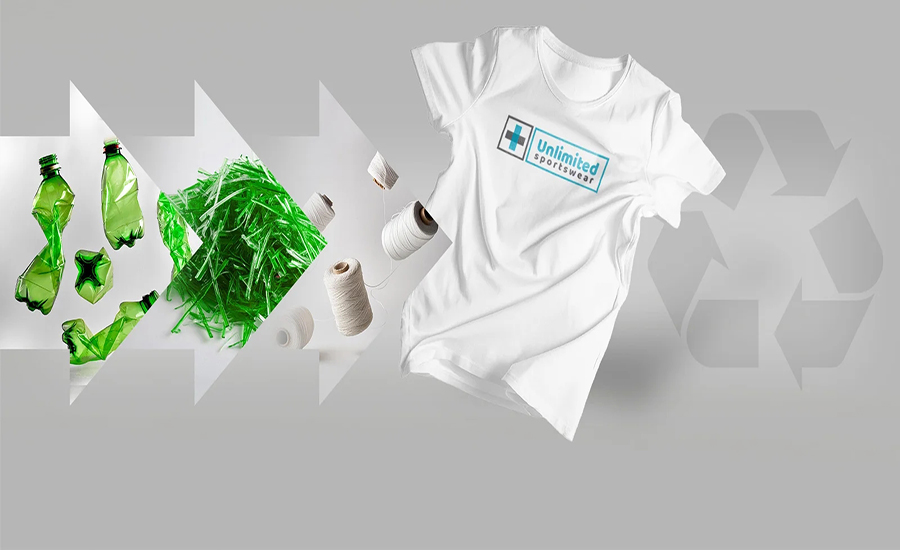
Recycled sportswear refers to athletic and casual apparel made from recycled or reused materials. Common examples include:
-
- Recycled Polyester (RPET): produced from discarded plastic bottles, industrial waste, and textile scraps.
-
- Recycled Nylon (Econyl): sourced from abandoned fishing nets and nylon waste.
-
- Eco-friendly blends: mixing recycled fibers with organic cotton, bamboo, or hemp.
Its core goals are:
-
- Reducing waste and extending material life cycles.
- Lowering carbon emissions, as production is more eco-friendly compared to virgin fabrics.
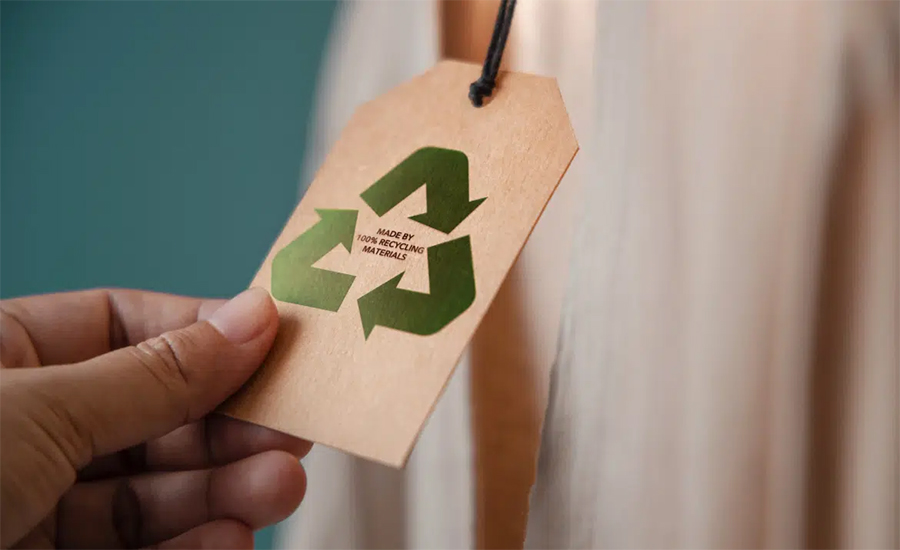
These sustainable textiles are often certified by GRS (Global Recycled Standard), OEKO-TEX®, and GOTS, ensuring both sustainability and safety.
2. Why Is Recycled Sportswear Booming in Athleisure?
(1) Rising Consumer Demand for Sustainability
Today’s consumers—especially Gen Z and Millennials—are more willing to purchase products aligned with eco-conscious values. Studies show that over 70% of young shoppers prefer brands offering sustainable options. Recycled sportswear perfectly fulfills their dual demand for green consumption + everyday wearability.
(2) Performance, Style, and Responsibility in One
The biggest driver behind recycled sportswear’s popularity is advancements in textile technology. Unlike early eco-fabrics that compromised on durability, modern recycled textiles now rival virgin materials in performance:
-
- Quick-dry and moisture-wicking for comfort during workouts
-
- Four-way stretch for unrestricted movement
-
- Lightweight yet durable for high-intensity exercise
-
- UV protection and antibacterial properties for safer wear
This makes recycled sportswear ideal for yoga, running, cycling, and even urban commuting.
At the same time, recycled activewear has shed its “basic” image. Today, you’ll find:
-
- Bold designs: full-print graphics, gradient tones, laser-cut details
-
- Trendy silhouettes: cropped jackets, slim-fit tees, wide-leg joggers
-
- Functional details: breathable mesh, UV resistance, compression support
Consumers no longer have to choose between style and sustainability—they can enjoy both.
(3) The Lifestyle Expansion of Athleisure
Athleisure is no longer just gym wear—it’s a fashion statement and form of self-expression. Whether at the studio, in a café, or traveling, consumers want clothing that is comfortable, stylish, and sustainable. Recycled sportswear, combining eco-friendly value with modern aesthetics, naturally fits this demand.
(4) The Fashion Industry’s Environmental Responsibility
It’s no secret that fashion is one of the world’s most polluting industries. Choosing recycled sportswear reduces water use, lowers carbon emissions, and decreases reliance on virgin resources. More brands are launching eco capsule collections as part of their ESG strategies, integrating sustainability into their long-term identity.
3. Core Features of Recycled Sportswear
(1) Eco-Friendly Materials
A pair of RPET yoga leggings can be made from 10–15 plastic bottles.
Econyl swimsuits come from discarded fishing nets.
Sweatshirts and joggers often use recycled cotton blends.
(2) Trend-Driven Design
Minimalist aesthetics and earthy tones
Bold full-print graphics
Athleisure pieces designed to transition seamlessly from gym to street
(3) Functional Advantages
Breathable laser-cut perforations
High-support compression technology
Seamless construction for comfort and durability
(4) Certified Assurance
GRS: guarantees authenticity of recycled fibers
OEKO-TEX®: ensures fabric safety for skin contact
GOTS: applies to premium organic-recycled blends
4. Leading Recycled Sportswear Brands
-
- Adidas x Parley: transforming ocean plastic into sneakers and jerseys
-
- Nike Move to Zero: committing to zero waste and zero carbon, with recycled polyester at its core
-
- Patagonia: pioneering outdoor gear made with recycled fleece and nylon
-
- Girlfriend Collective: viral yoga leggings made from recycled water bottles
It’s not just global giants—independent yoga labels, boutique athleisure brands, and even start-ups are turning to recycled fabrics to differentiate themselves. Recycled sportswear is no longer a luxury—it’s becoming an everyday essential.
5. How to Wear Recycled Sportswear

Yoga Studio: RPET high-stretch leggings + breathable tank top
Running: recycled quick-dry shorts + functional T-shirt
Urban Commute: recycled sweatshirt + casual joggers
Everyday Outing: stylish recycled-fabric jacket or vest
This seamless blend of sport and lifestyle makes recycled sportswear a must-have in modern wardrobes.
6. The Future of Recycled Sportswear
As we move into 2025 and beyond, recycled sportswear will not just be a “trend” but the new standard for activewear. Expect to see:
-
- Circular fashion models: brands launching take-back programs to recycle old garments
-
- Material innovations: bio-based textiles (e.g., algae fabrics) and new recycled blends
-
- Global expansion: more manufacturers adopting eco-fabrics for both B2C and B2B markets
-
- Transparent sourcing: consumers demanding supply chain traceability, with certifications as trust anchors
By 2030, over 40% of sportswear collections are expected to incorporate recycled materials.
7. Conclusion
Recycled sportswear is no longer optional—it is the future of athleisure. With consumers demanding both sustainability and performance, brands that adopt recycled fabrics gain a clear competitive edge.
From yoga leggings and running tees to sweatshirts and sneakers, recycled sportswear is proving that fashion can be both trendy and responsible.
For consumers, it’s a lifestyle choice.
For brands, it’s a competitive advantage.
For the planet, it’s a step toward sustainability.
If athleisure is about balancing performance and lifestyle, then recycled sportswear represents the balance between style and responsibility—a movement that’s here to stay and shape the future of fashion.
Next time you shop for activewear, remember: your choice doesn’t just shape your wardrobe—it impacts the future of the planet.